

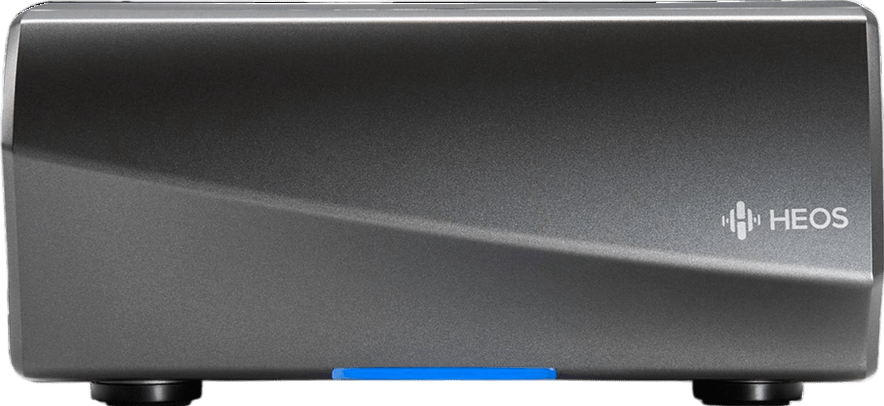


Note that this is a discontinued product. You may want to visit the brand's page here to browse their newer products.
What reviewers think
Bloggers and YouTubers have tried this product—so we've summarized their strongest opinions below. Links to full reviews follow.
Product Strengths
- Greater range of connectivity and usability than its Sonos equivalent
- Capable of playing WAV, ALAC, and FLAC in formats up to 24-bit/192kHz sample rates
- Direct Bluetooth support
- App has a clean and intuitive interface for selecting tracks and zones
- Detail retrieval and soundstaging were fantastic for a streamer at this price
Product Considerations
- One of the limitations that the HEOS network originally had was that files could only be played back in up to CD quality
Comparisons (according to reviewers)
- The HEOS offers a greater range of connectivity and usability than Sonos
Takeaway: The HEOS is a great place to start streaming music with fantastic detail retrieval, soundstaging, and a user-friendly app. It offers a greater range of connectivity and usability than its competitors.
All
HEOS Link HS2
reviews


Manufacturer details
- Output level: 2.0 Vrms (10 kΩ/kohms)
- Total Distortion: 0.01% (1 kHz)
- SN ratio: 90 dB
- Frequency response: 20 Hz to 20 kHz : ±0.5 dB
- Weight: 2.9 lbs
- Dimensions (H x W x D): 2.91in x 6.14in x 5.83in
- Operating Temperature Range: 41°F to 95°F
- Power Supply: AC 120 V, 60 Hz

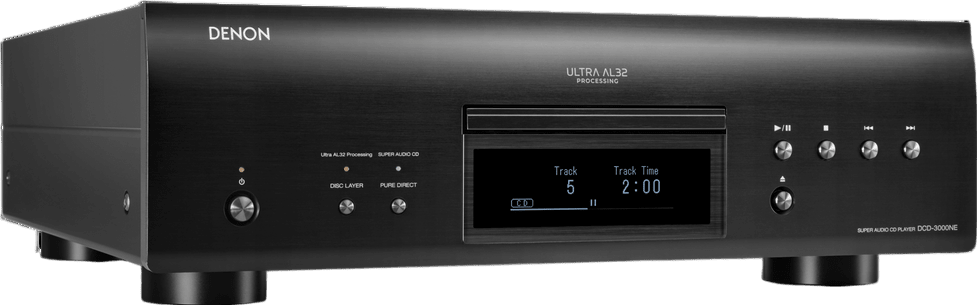
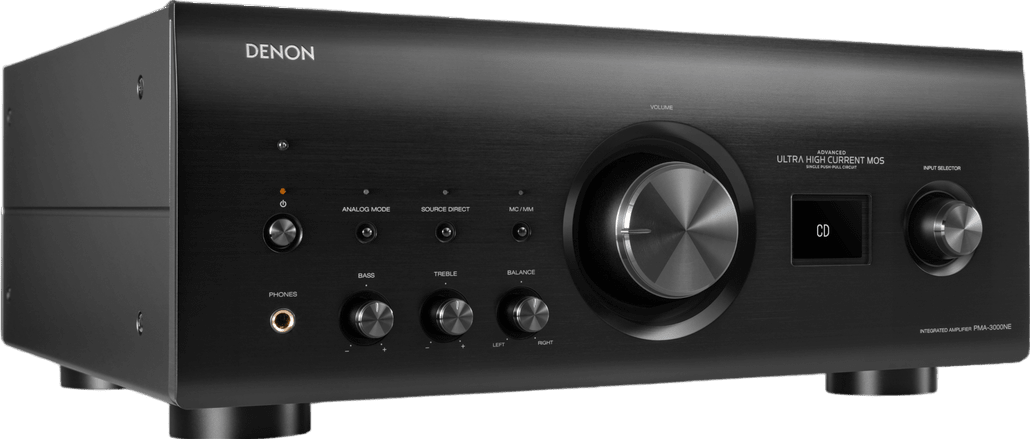
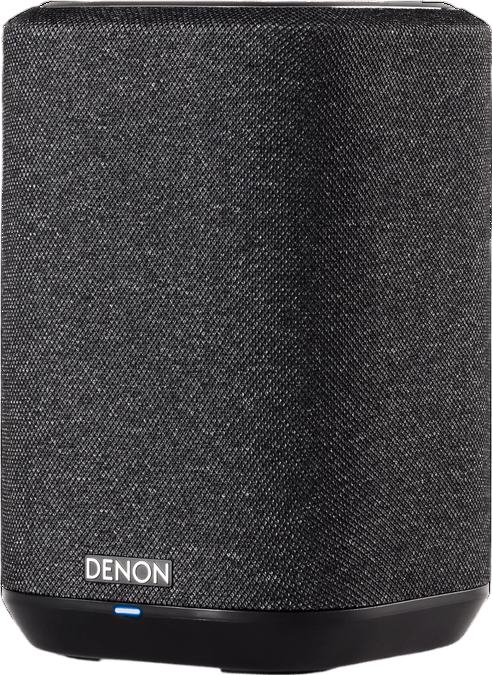
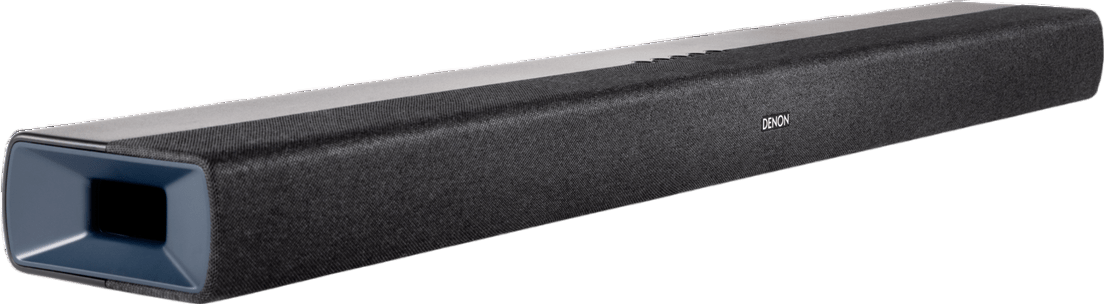



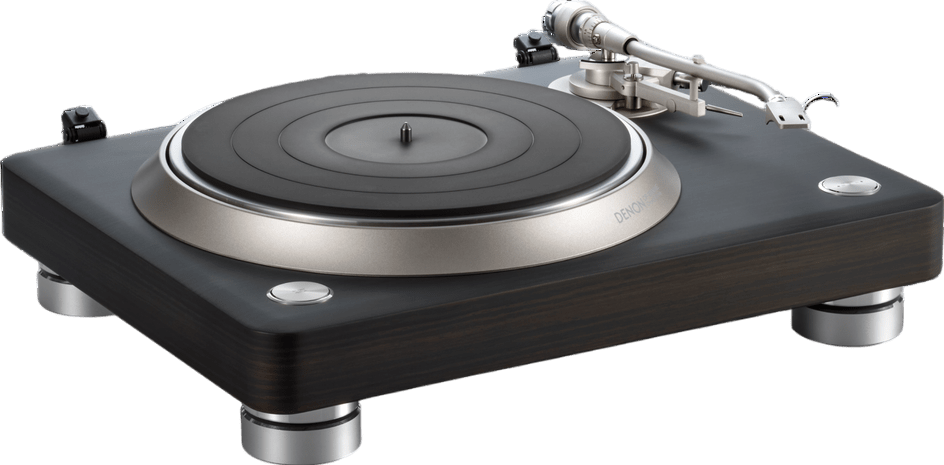

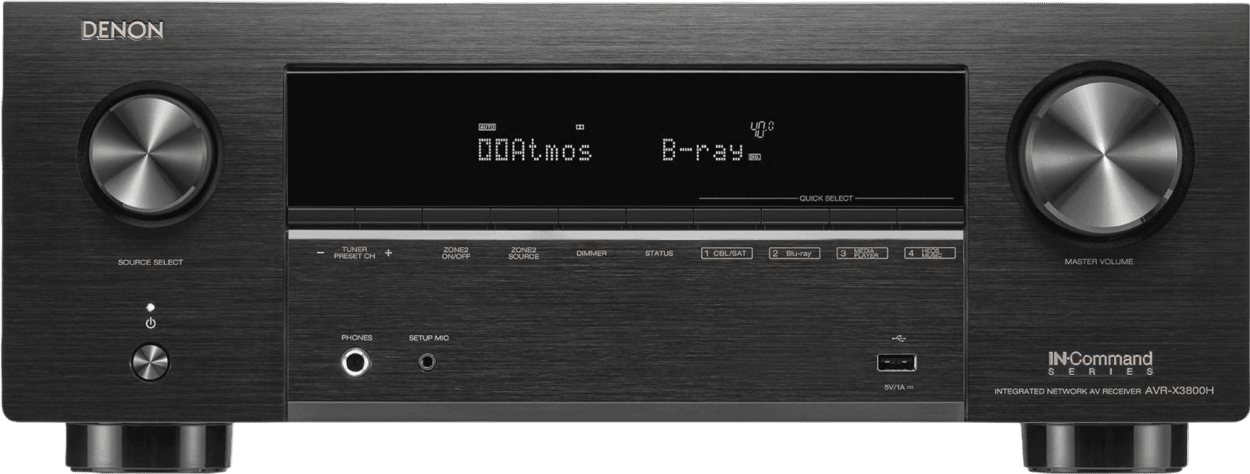
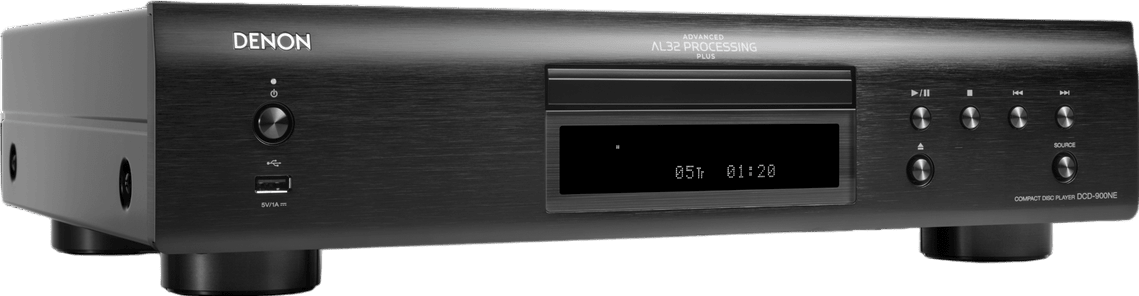
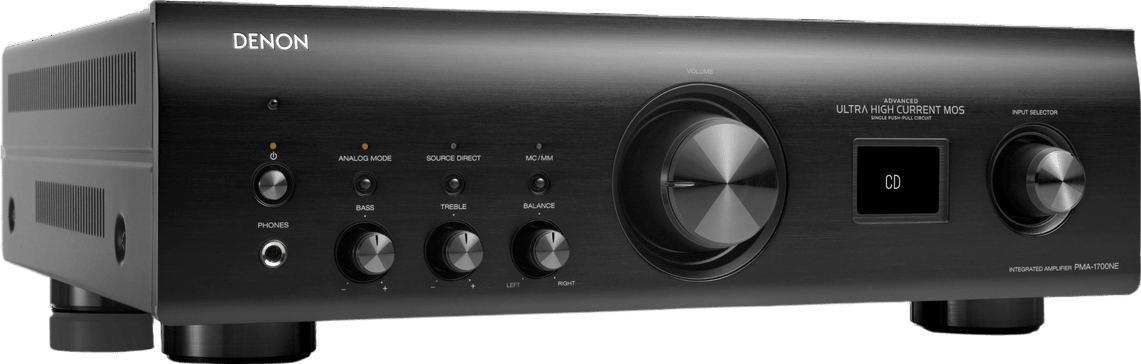


Brand highlights
Taking a step back to look at reviewers' thoughts of the brand's entire lineup—not just this product—what stands out most is the following:
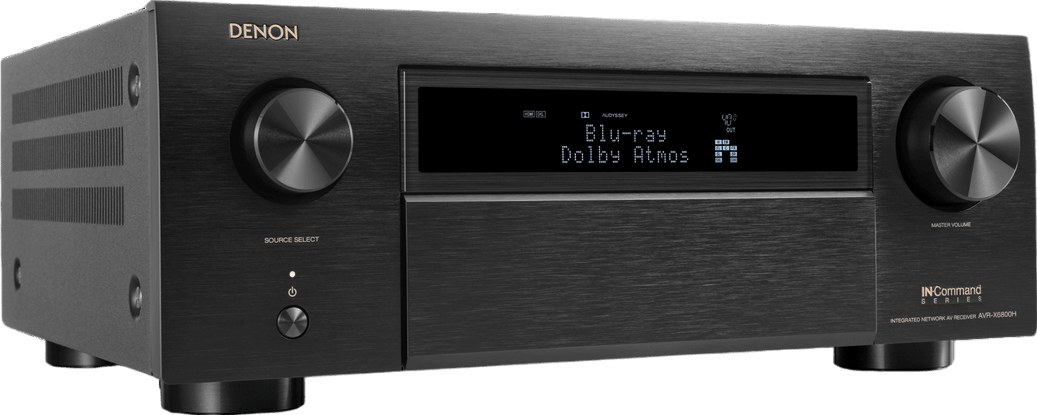
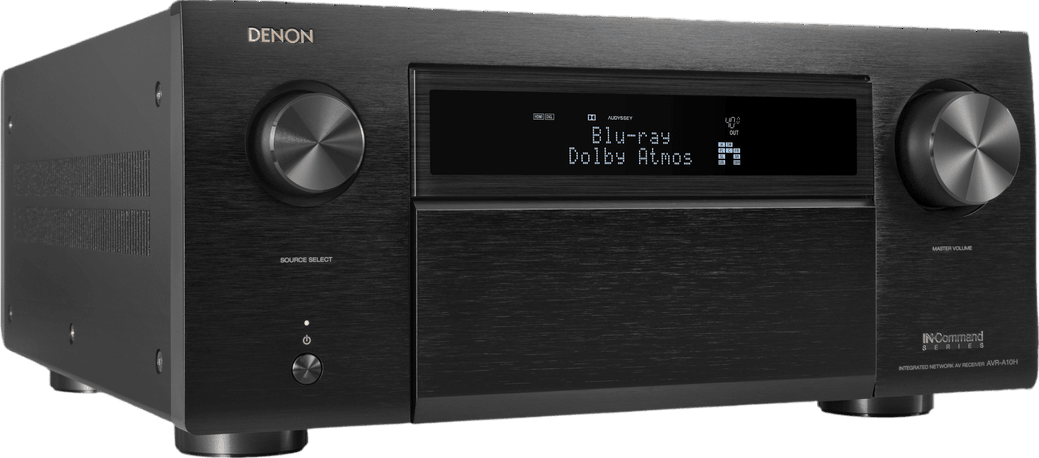
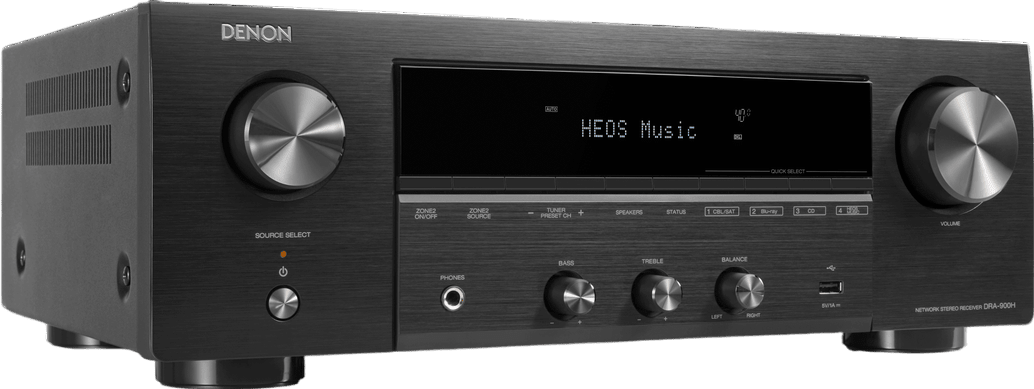
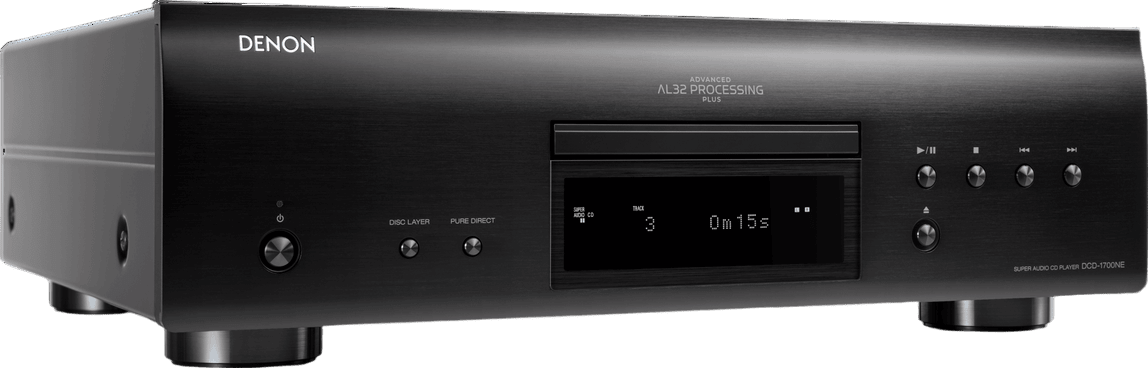
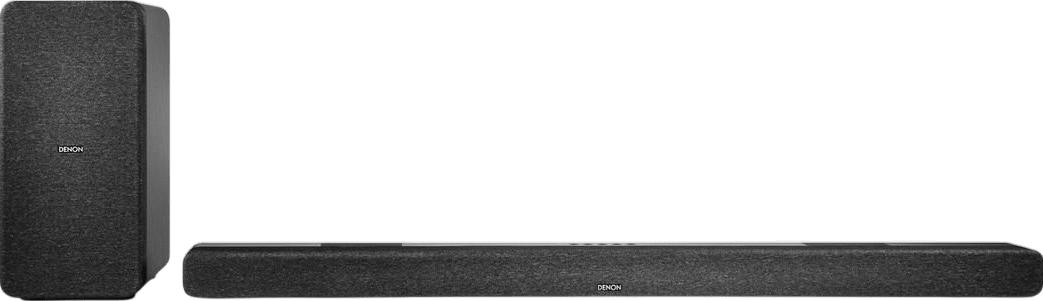
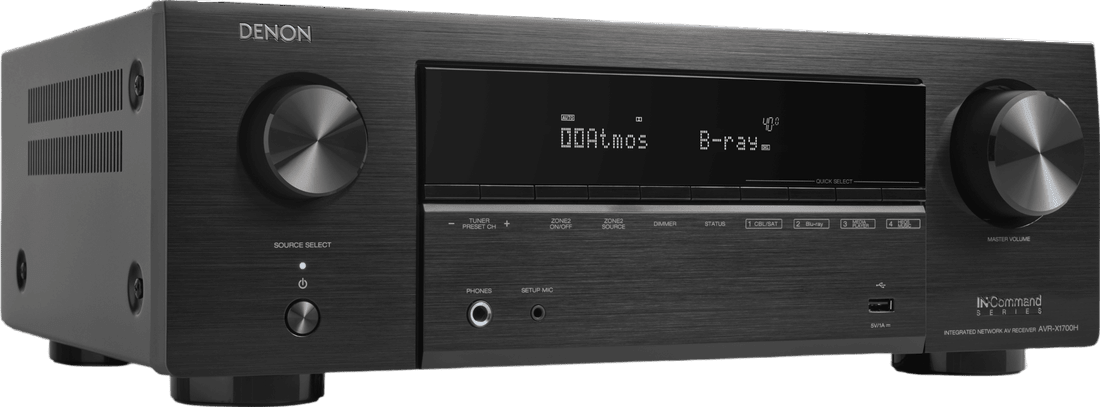
- Denon AVRs are known for being user-friendly, offering a straightforward setup process guided by an intuitive on-screen menu.
- They often provide extensive connectivity options, including legacy analog inputs alongside modern HDMI 2.1 ports, allowing for flexibility with various devices.
- Denon receivers frequently include Audyssey MultEQ XT32 for room correction, and many offer an upgrade path to Dirac Live, allowing users to tailor the sound to their listening environment.
- HEOS wireless multi-room audio technology is often built in, allowing seamless integration with other HEOS-enabled products for a whole-home audio experience.
Select products
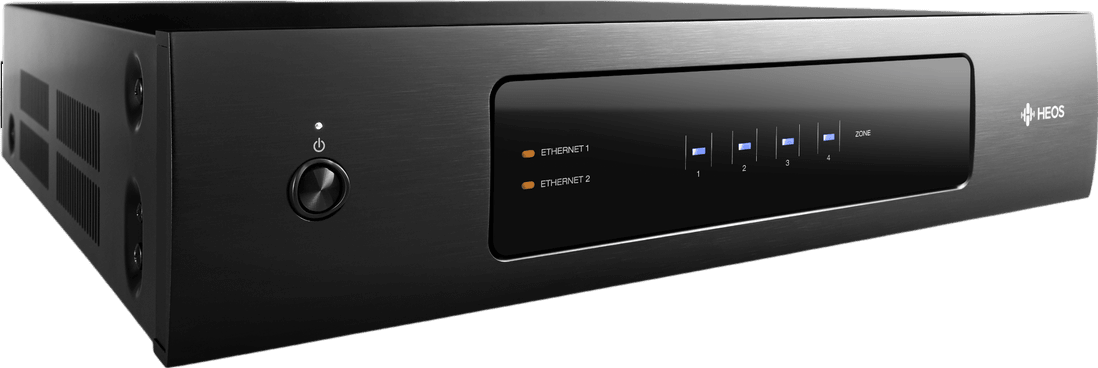
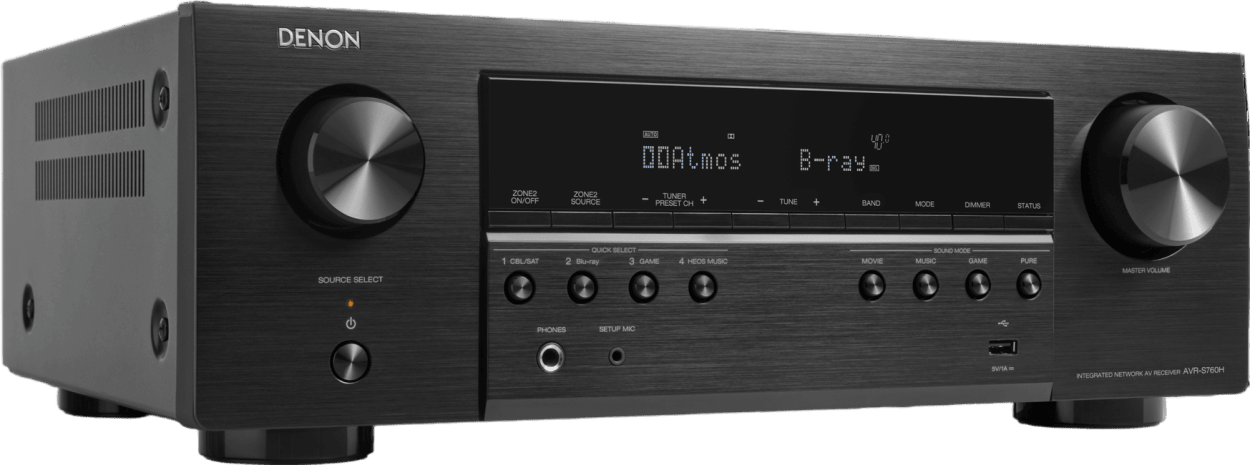
AVR-S970H
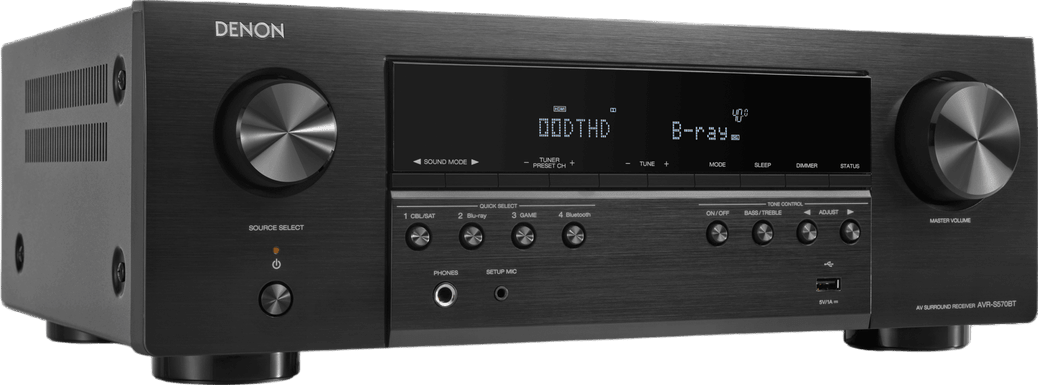
- Positioning: The entry-level model in Denon's lineup, ideal for those seeking a balance between performance and affordability.
- Description: Offers a great introduction to 8K video and 3D audio, making it perfect for medium-sized rooms. Features 7.2 channels and 90 watts per channel, which is less powerful compared to the higher-end models like the AVR-X8500HA. Still supports Dolby Atmos and DTS:X, providing a solid immersive audio experience for those on a budget.
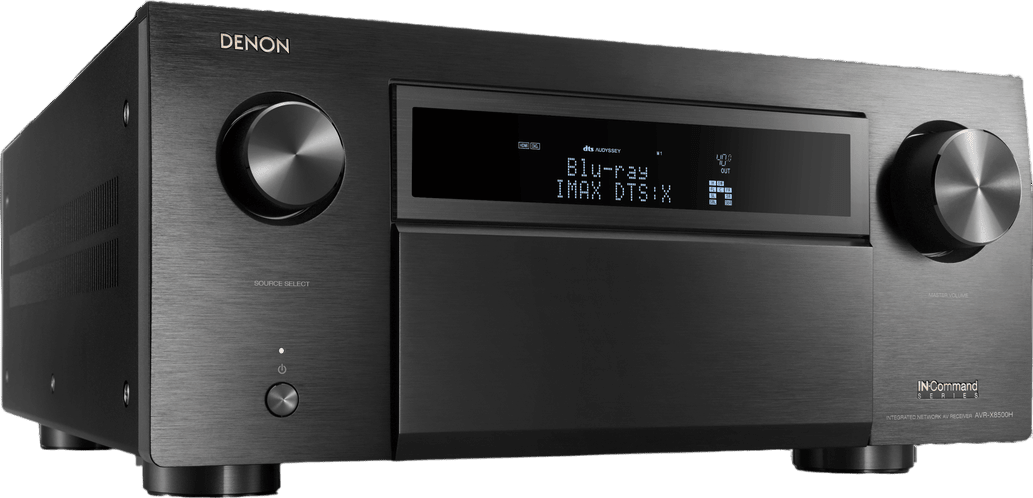
AVR-X8500HA
- Positioning: A high-end model in Denon's lineup, designed for serious home theater enthusiasts who demand top-tier performance.
- Description: Stands out with its 13.2 channel processing and 150 watts per channel, offering a more immersive 3D audio experience than the AVR-S970H. Supports advanced video specs like 8K/60Hz pass-through and 4K/120Hz for gaming.
AVR-A1H
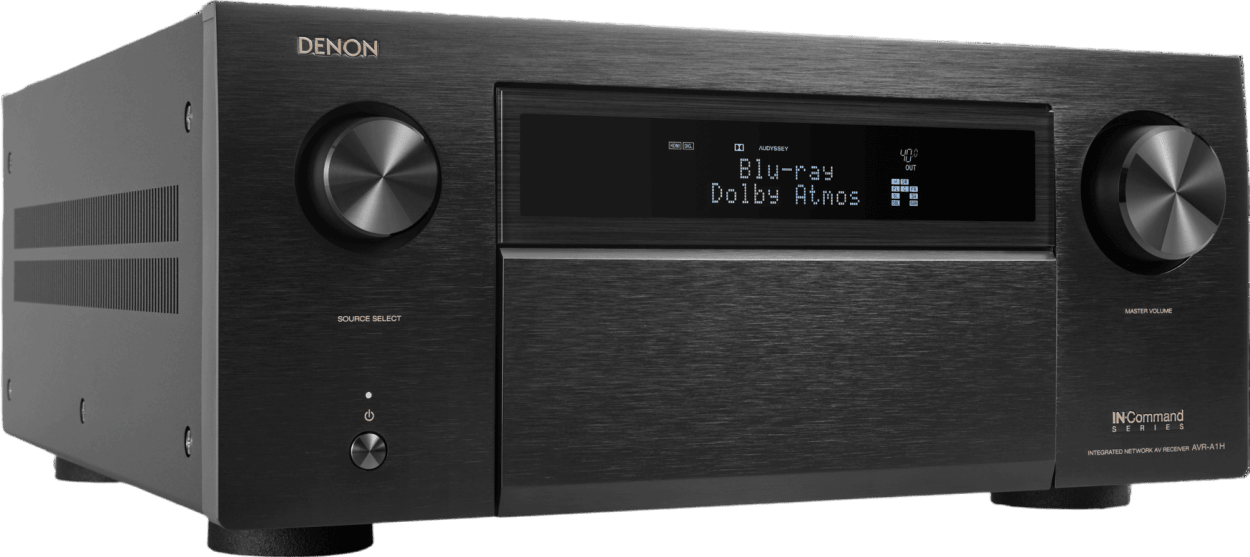
- Positioning: Denon's flagship model, representing the pinnacle of their AV receiver technology.
- Description: Distinguished by its 15.4 channel configuration and 150 watts per channel, providing the most comprehensive audio experience in Denon's lineup. Supports a 9.4.6 speaker setup, surpassing the AVR-X8500HA's capabilities, and includes features like Dirac Live Room Correction for precise audio tuning.

Our take on the brand
Look inside the brand
Our interview with the brand
What are two key technological innovations or strong opinions that differ you from other brands?
What's your approach to customer support?
What are your favorite tracks for showcasing the strength of your products?
What other products pair best with yours?

Used
Denon
What if you spend more?




.svg)
Our summary
Product Strengths
- Compact and sleek design that fits easily into various setups
- Offers 100 watts per channel, providing sufficient power for most standard speakers
- HEOS Built-in enables multi-room audio streaming and seamless integration with other HEOS-enabled devices
- Versatile connectivity options, including HDMI eARC, digital/analog inputs, USB, Bluetooth, and AirPlay 2
- Supports high-resolution audio streaming for superior audio quality
Product Considerations
- Build quality may not meet expectations for its price range, plastic casing can feel cheap
- Sound can be perceived as 'thin,' especially in the bass range, compared to competitors
- HEOS does not offer as many services as Sonos, Qobuz, Apple Music, and Amazon Music
- May be overkill for casual listeners
Comparisons (according to reviewers)
- Compared to the Marantz M1, the Denon Home Amp has a livelier and more dynamic sound, while the Marantz M1 is warmer and more laid back
- Compared to the Sonos Amp, the Denon Home Amp includes Bluetooth support and an optical input, which the Sonos Amp lacks
- Sound quality is very similar between the Denon Home Amp and Sonos Amp
- The Bluesound PowerNode N330 outperforms the Denon Home Amp in sound quality, particularly in the bass range
Takeaway: The Denon Home Amp is a compact and feature-rich amplifier, perfect for upgrading a home audio system with modern streaming capabilities and multi-room functionality. It is a good choice for those already invested in the HEOS ecosystem or seeking a versatile all-in-one solution.
Video review
Our take on the brand
Our summary
Product Strengths
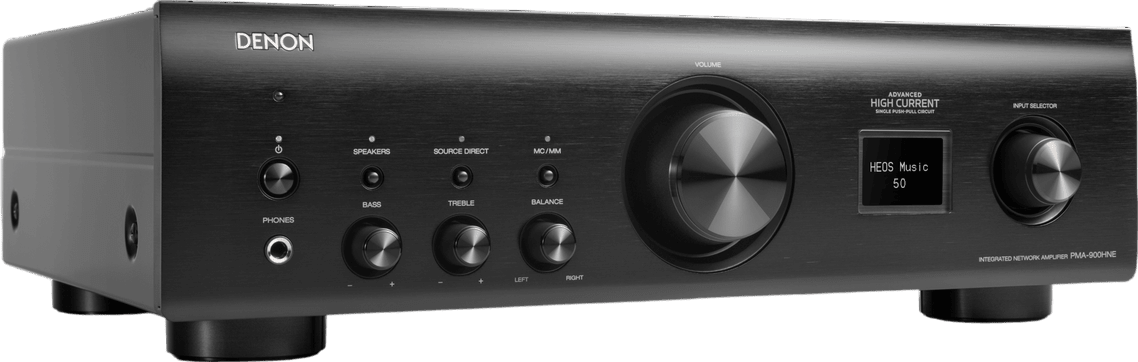
- Versatile connectivity options, including Wi-Fi, Bluetooth, digital, and analog inputs (including a phono input)
- Solid build quality and robust chassis
- Balanced sound profile, with clear highs, detailed midrange, and controlled bass
- Built-in HEOS multi-room compatibility and network streaming capabilities
Product Considerations
- The small front display can be difficult to read from a distance
- Bluetooth only supports SBC codec
- Some reviewers felt the design/aesthetics looked dated
- The Wi-Fi setup might require some patience
- Lacks HDMI ports, which may limit connectivity for some users
Comparisons (according to reviewers)
- The Audiolab offers a firmer grip on bass and is more focused and detailed top to bottom
- The Denon is similar to the Cambridge Audio AXR100 in terms of sound, possessing a hint of old-school charm
- The Denon PMA-900HNE goes a long way towards the Marantz Model 40n's performance, and at a fraction of its price
- While the Yamaha A-S801 focuses on power and pure analog sound, the Denon PMA-900HNE adds more modern conveniences like wireless streaming and network capabilities
- The Cambridge Audio CXA81 sound output is meticulous, rich, and detailed, which might leave the Denon slightly in the shadows
Takeaway: The Denon PMA-900HNE is a versatile amplifier that combines classic sound with modern features, making it a good choice for both new and experienced hifi enthusiasts. It offers a wide range of connectivity options and a balanced sound profile suitable for various music genres.
Video review
Our take on the brand
Product Strengths
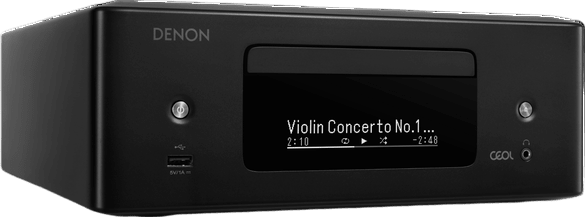
- Compact, elegant design is perfect for small spaces
- Impressive 2 x 65W power output
- High-quality DAC supports hi-res audio formats
- HEOS Built-in allows for multi-room audio and streaming services
- Versatile connectivity options includes HDMI ARC and phono input
Product Considerations
- May not be powerful enough for very large rooms
- No USB input on the rear panel
Takeaway: The Denon CEOL N12 is a compact and versatile system that delivers great sound quality, perfect for those with limited space. With its range of connectivity options and smart features, it is a great all-in-one solution for audiophiles and music lovers alike.
Video review
Our take on the brand
Product Strengths
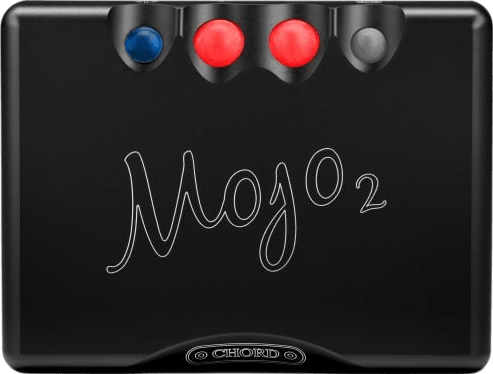
- Improved battery management offering faster charging rates and better efficiency than its predecessor
- Features a new USB-C data input for greater flexibility alongside other inputs
- Offers the world's first lossless DSP for tone adjustments without degrading sound quality, providing customization options
- Excellent resolution and dynamics with a large soundstage and extreme detail
Product Considerations
- The Mojo 2 can get warm when in a pocket for a period of time
- Complicated menu navigation with color-coded buttons that may require the manual
- Still uses Micro-USB for charging, which some find outdated
Takeaway: The Chord Mojo 2 is an exceptional DAC/headphone amplifier for those seeking high-resolution audio and customized sound in a portable format that is easy to move. Its sonic accuracy, detailed soundstage, and improved features provide a versatile and enjoyable listening experience, making it a worthwhile consideration for audio enthusiasts.
Video review
Our take on the brand
What competes at this price?


Our Summary
Product Strengths
- Detailed and expansive presentation, offering a sonic upgrade to phones, especially when portability is a priority
- Versatile, with both wired and wireless connectivity options, including balanced and unbalanced headphone outputs
- Impressively small size and lightweight design, making it pocket-friendly and convenient for on-the-go use
- Sound quality is generally linear, with fast and accurate bass, flat and clean mids, and a detailed treble that is not harsh
- XBass and XSpace features offer customized listening experiences
- Build quality and aesthetics are generally well-received, with its design standing out from other devices
- ChronoDial volume knob is particularly praised for its tactile feel and functionality
Product Considerations
- Black rubberized plastic casing can feel a bit flimsy to some users
- Some reviewers noted hiss with sensitive IEMs, especially on the balanced output
- Battery life estimation can be unreliable
- No dedicated app for the device, limiting EQ and DSP options
- Lacks a clip, making it less convenient for truly portable use
Comparisons (according to reviewers)
- Compared to the Audiolab M-DAC Nano, the Go Blu offers a wider soundstage, better separation, and dynamic sensitivity, though the M-DAC Nano is fractionally punchier in the bass
- Compared to the AudioQuest DragonFly Cobalt, the Go Blu is a wireless proposition, unlike the DragonFly Cobalt, which is a USB plug-in DAC
- Compared to the FiiO Q3, the iFi GO blu highs are a bit too brilliant, but everything else sounded quite impressive
- Compared to the NuPrime Hi-mDAC, the iFi GO Blu mids sound a lot like it, even if voices are slightly less natural
- Compared to the Hidizs S9 Pro and Aune BU2, the GO Blu provides a relaxed sound and has better build and functionality compared to the Hidizs S9 Pro, but is better when using bluetooth compared to Aune BU2, however when competing on wired terms, the Aune is clearer
Takeaway: The iFi GO blu is a tiny but mighty device that delivers impressive sound and versatility—improving the wireless music experience. It is easy to use and has some cool features, making it a good pick for anyone looking for a portable upgrade for their headphones.
Video review
Our take on the brand


Our Summary
Product Strengths
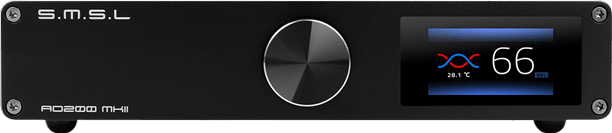
- Delivers a neutral and transparent sound signature, providing an accurate representation of the source material
- Offers plenty of power for its size, capable of driving even demanding bookshelf speakers without losing composure
- Features built-in EQ presets and bass/treble tone controls for customizing the sound
- Built with high-quality materials, featuring an aluminum alloy chassis that is both durable and lightweight
- Has versatile connectivity options, including balanced XLR inputs, RCA inputs, USB input, and Bluetooth
Product Considerations
- Internal DAC and Bluetooth performance are underwhelming compared to the amplifier section
- The stock SBC Bluetooth codec limits wireless audio streaming quality
- EQ settings can be confusing and require some experimentation to dial in a balanced sound
- The volume knob might be slightly wobbly
- The power cord could be too short for some setups and might need to be replaced
Comparisons (according to reviewers)
- The MKII offers nearly double the power output and sounds more dynamic than the SMSL AO200 (original)
- Compared to the Yamaha A-670, the AO200 MKII offers more detail and soundstage, though the Yamaha is warmer and more forgiving
- The AO200 MKII has higher driving power, a more dynamic sound, and lower distortion than the Arylic A50+
- The AO200 MKII offers a more palpable and lifelike sound than the Topping PA5
- The AO200 MKII has better driving power at times, better EQ with no degradation, and is a better value than the Burson Funk
Takeaway: The SMSL AO200 MKII is a compact and powerful stereo amplifier with a neutral sound, making it a solid option for those who want clean sound, plenty of connectivity options, and customization features. It is a good value that can improve the sound of many speaker setups.
Video review
Our take on the brand

Our Summary
Product Strengths
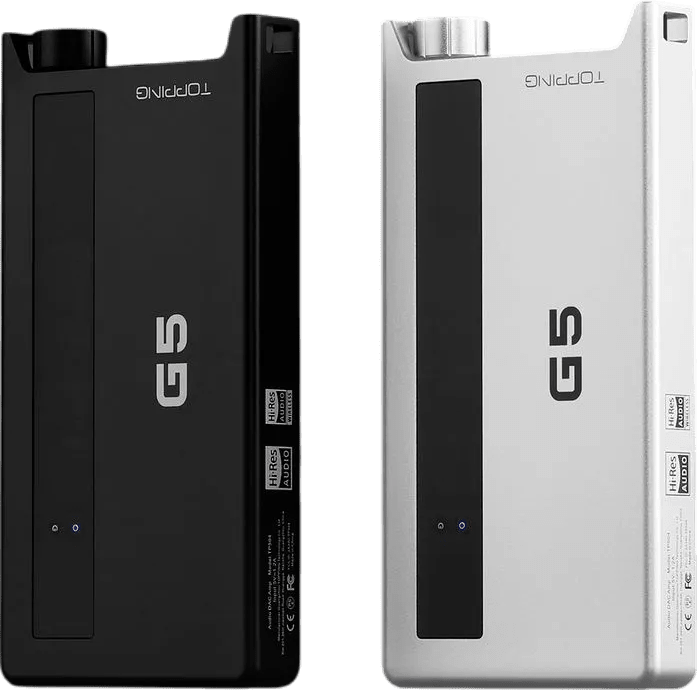
- Phenomenal sound quality.
- Very usable and enjoyable interaction due to a physical volume knob.
- Plenty of power for almost everything and can drive just about anything.
- Versatile; it can be used as a desktop all-in-one, a Bluetooth portable DAC/amp, a portable amplifier, and even a DAC for speakers.
Product Considerations
- Susceptible to EMI noises, which can be a deal breaker; static noises, pops, and crackle sounds can occur when a phone is placed directly on top of it.
- Not a completely balanced architecture; the 3.5mm & 4.4mm headphone outputs sound the same.
- Charging port may not indicate charging on anything higher than an 18W charging block, and some chargers may not work.
Comparisons (according to reviewers)
- Vs FIIO BTR-7: Sounds more refined and has more detail and resolution.
- Vs SMSL C200: The C200 sounds significantly warmer with a fuller, juicier bass line and a little bit more airy, while the G5 is more focused on clean and clear edges, tidy, well-focused—and clean.
- Vs SMSL M500 MK2: The M500 MK2 sounds overall better with dynamics at the same level as the G5 and fuller, warmer tonality—and a bigger, more spacious soundstage.
- Vs Moondrop Moonriver 2: The treble is more refined, better details up top, and a sharp edge without being overboard like the Moonriver 2 can.
Takeaway: The G5 is a well-built and versatile portable DAC/amp with a neutral, clean, and dynamic sound. It is great for those looking for an all-in-one solution that can drive almost any headphone or IEM.
Video review
Our take on the brand
Our Summary
Product Strengths
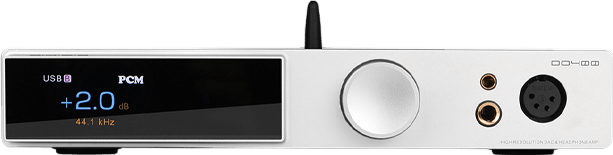
- The DO400 is a versatile device, serving as a DAC, preamp, headphone amplifier, and Bluetooth receiver
- It offers a highly resolving and transparent sound, with a measured dynamic range of 133dB on its XLR output and 126dB on its headphone output
- It has very tight control over the drivers, sounds quite dynamic and clean, and delivers a punchy sound
- The DO400 features extensive I/O with HDMI, USB, XLR 4-Pins, and Pentaconn 4-Pins
Product Considerations
- It does not have analog inputs, which limits the sources one can pair it with
- The DO400's case cover is steel, and the rotary knob wobbles
- Some may find its sound signature a bit too linear for some genres
- The remote control is plastic-y
- The speedy nature of the ESC by Silicon might result in a less impressive initial kick in the eardrums via headphones, compared to the XLR and RCA outputs
Comparisons (according to reviewers)
- Compared to the Topping DX7 Pro Plus, the DO400 is more organic and dynamic sounding
- Compared to the Topping DX5, the DO400 offers noticeably better line output
- Compared to the Chord Mojo 2, the Chord Mojo 2 sounds better when used as a DAC, offering better detail retrieval and a richer tone timbre, but the DO400 has more power
- Compared to the SMSL SU-9, the DO400 sounds slightly brighter and less-smoothed over—there's an analytical quality to the treble end
Takeaway: The SMSL DO400 is a great-sounding all-in-one unit that offers a lot of features for the price. Its noiseless performance with IEMs and ability to drive most headphones make it a worthwhile purchase.
Video review
Our take on the brand

Our Summary
Product Strengths
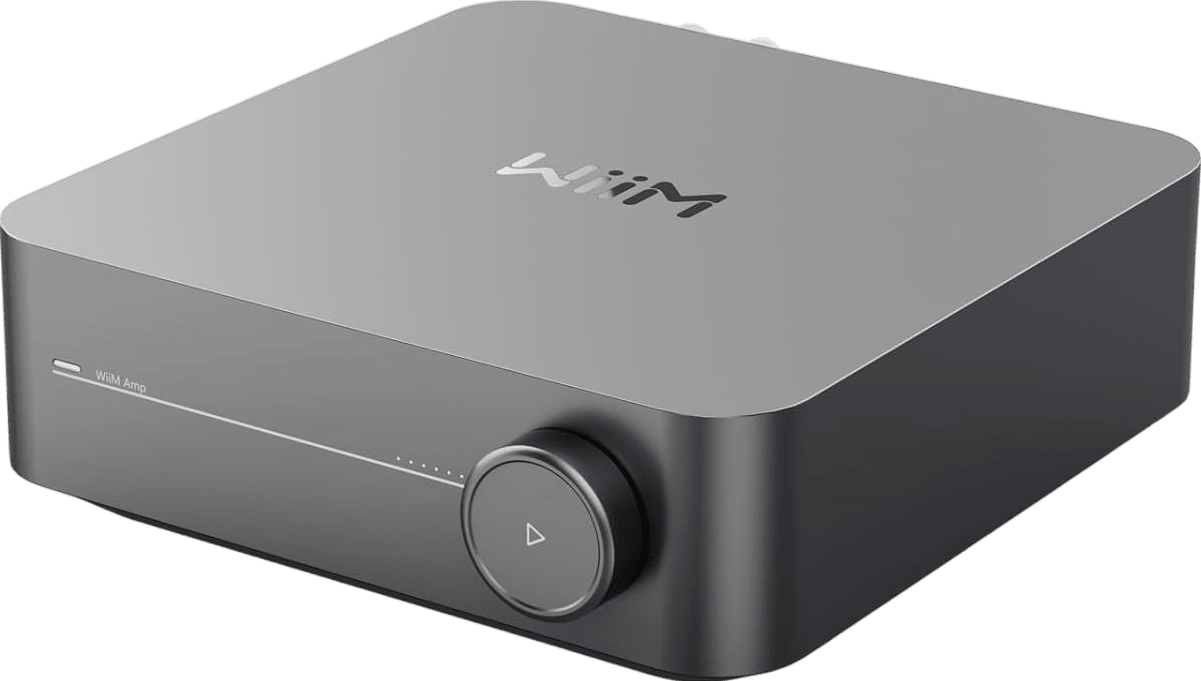
- Features and performance at an affordable price
- Stylish, well-made design
- Native support for nearly all streaming services like Spotify and Tidal, both wired and wirelessly
- Simple setup via smartphone and the WiiM Home app
- Includes HDMI with ARC as well as CEC, and a dedicated subwoofer output with bass management
Product Considerations
- Bluetooth and AirPlay communication can be inconsistent, particularly for iPhone users
- At higher volumes, the amp can struggle with certain genres of music or recordings with greater dynamic range, resulting in audible distortion and clipping
- Sound can become more sterile and two-dimensional at higher volumes, glossing over nuance and fine detail
- May not be suitable for larger spaces or for those who prefer listening at higher volumes, especially with speakers that are hard to drive
- Some users might hear a faint whine from the chassis or speaker tweeters, as the amplifier is not completely silent
Comparisons (according to reviewers)
- Vs Arylic B50: The WiiM Amp has a more complete chassis design with an internal power supply, a slicker app, and better overall industrial design, even if they use similar chipsets
- Vs Bluesound PowerNode/Audiolab 6000A Play/7000A: The Bluesound and Audiolab products are better options for larger spaces or higher listening volumes
- Vs Denon AV receiver: The Denon AV receiver does not have the streaming comprehensiveness of the WiiM Amp
- Vs Sonos Amp: The Sonos Amp may sound better, but the WiiM Amp combined with a subwoofer can provide a more complete sound experience for less money
- Vs PS Audio Sprout 100: The WiiM Amp's amp and DAC sections are superior
Takeaway: The WiiM Amp is a versatile and affordable streaming amplifier packed with features, making it a great entry point into hifi or a convenient solution for smaller spaces. Its comprehensive streaming capabilities and user-friendly app provide a seamless listening experience.
Video review
Our take on the brand




How to buy
Amplifiers
Search all hifi products
Explore our database of 10,000+ new and 25,000+ used hifi products.