

.png)



Note that this is a discontinued product. You may want to visit the brand's page here to browse their newer products.
What reviewers think
Bloggers and YouTubers have tried this product—so we've summarized their strongest opinions below. Links to full reviews follow.
Product Strengths
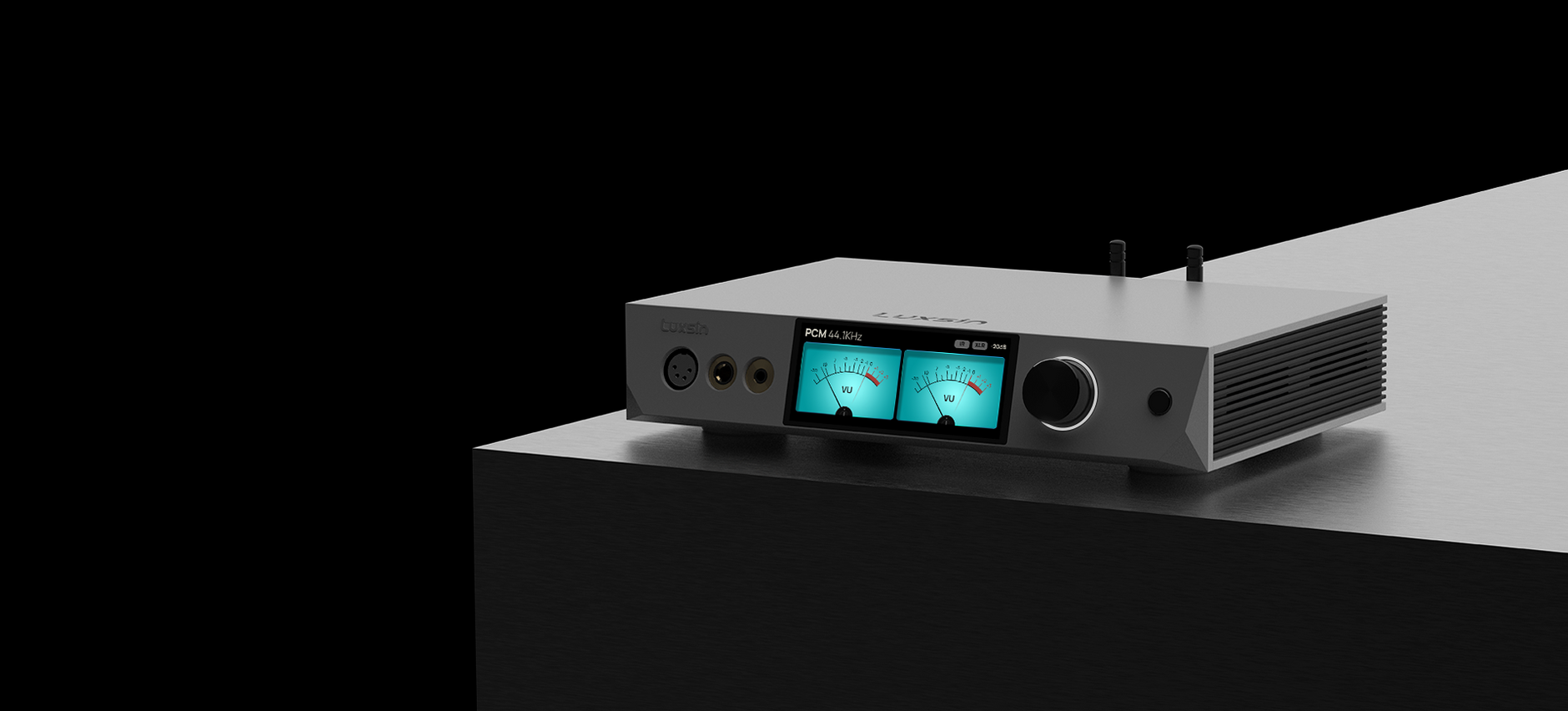
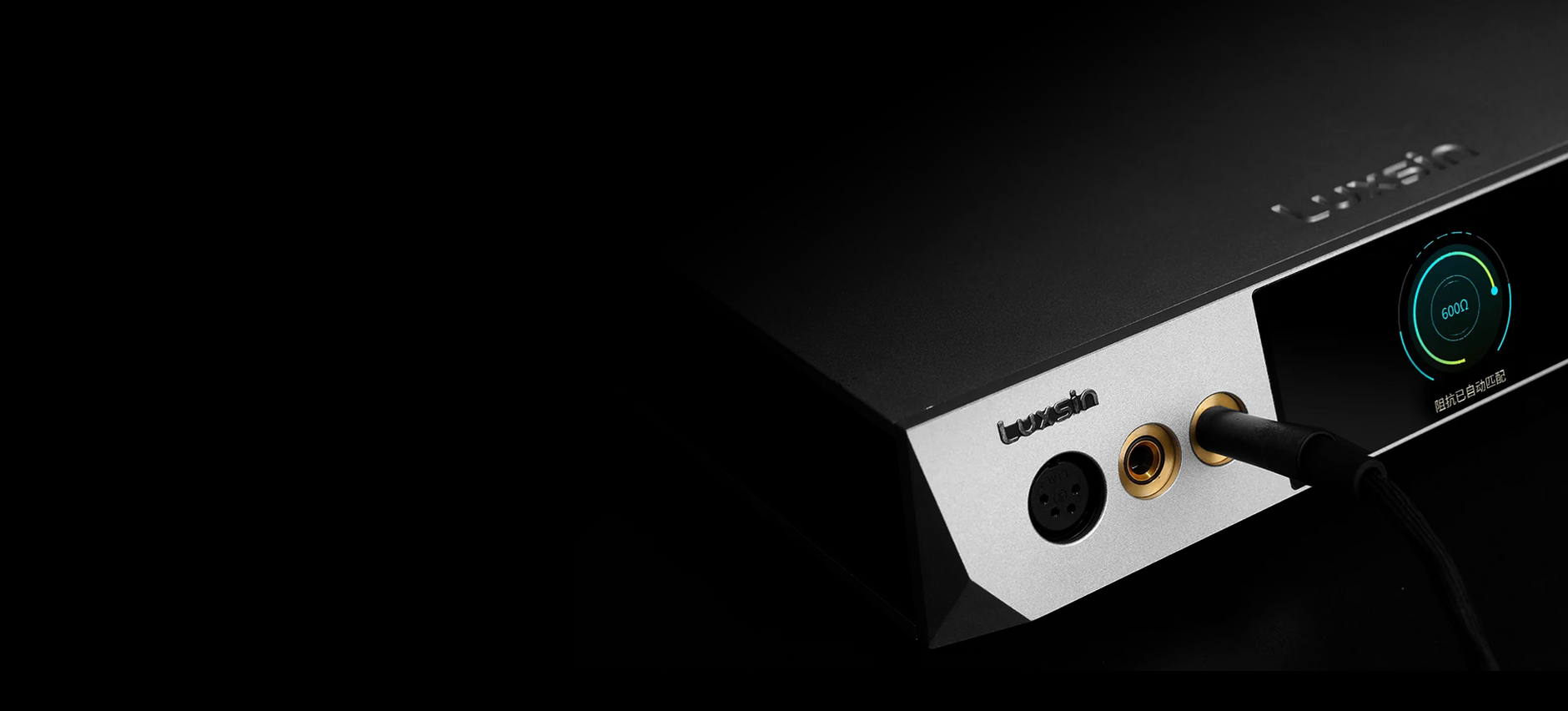
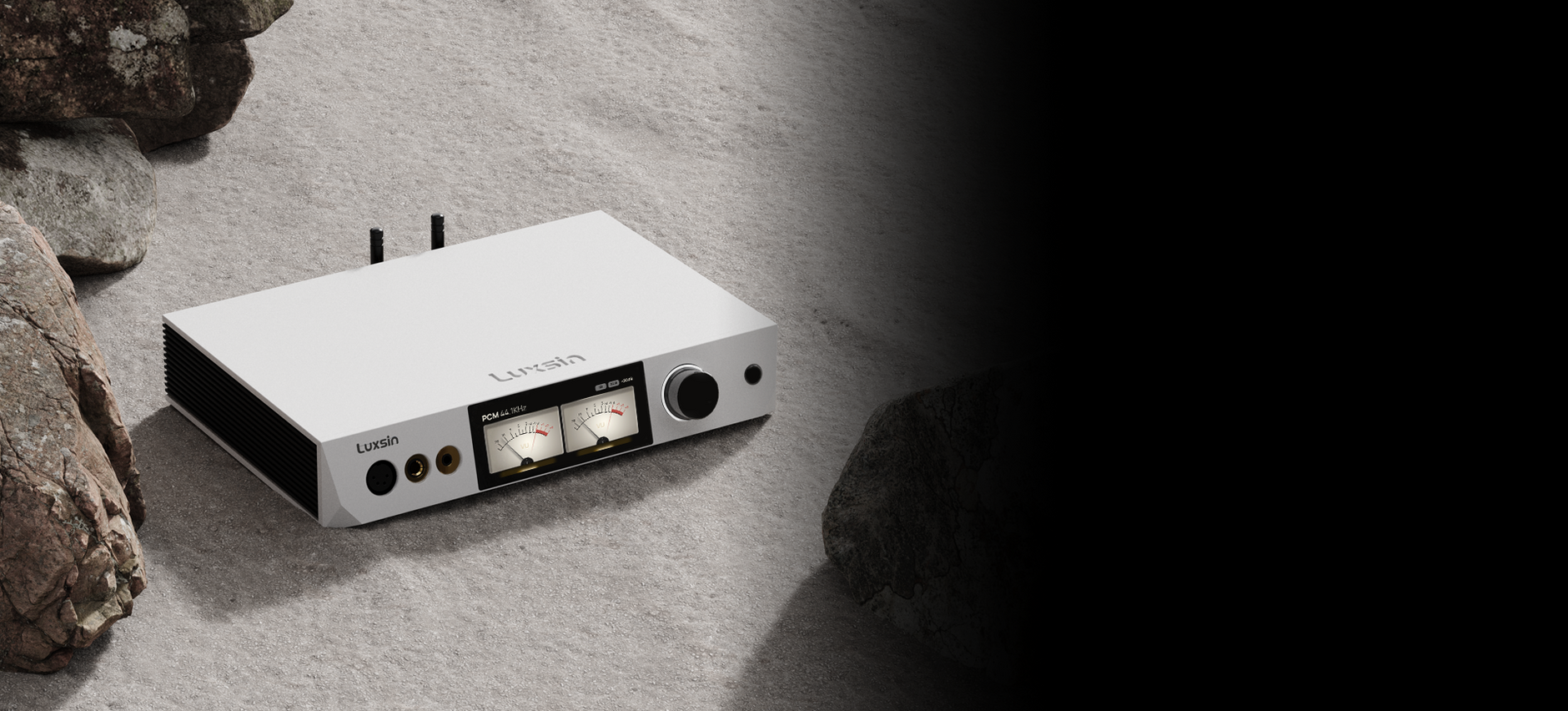
- Striking design with an angled diamond cut faceplate and a large touchscreen display
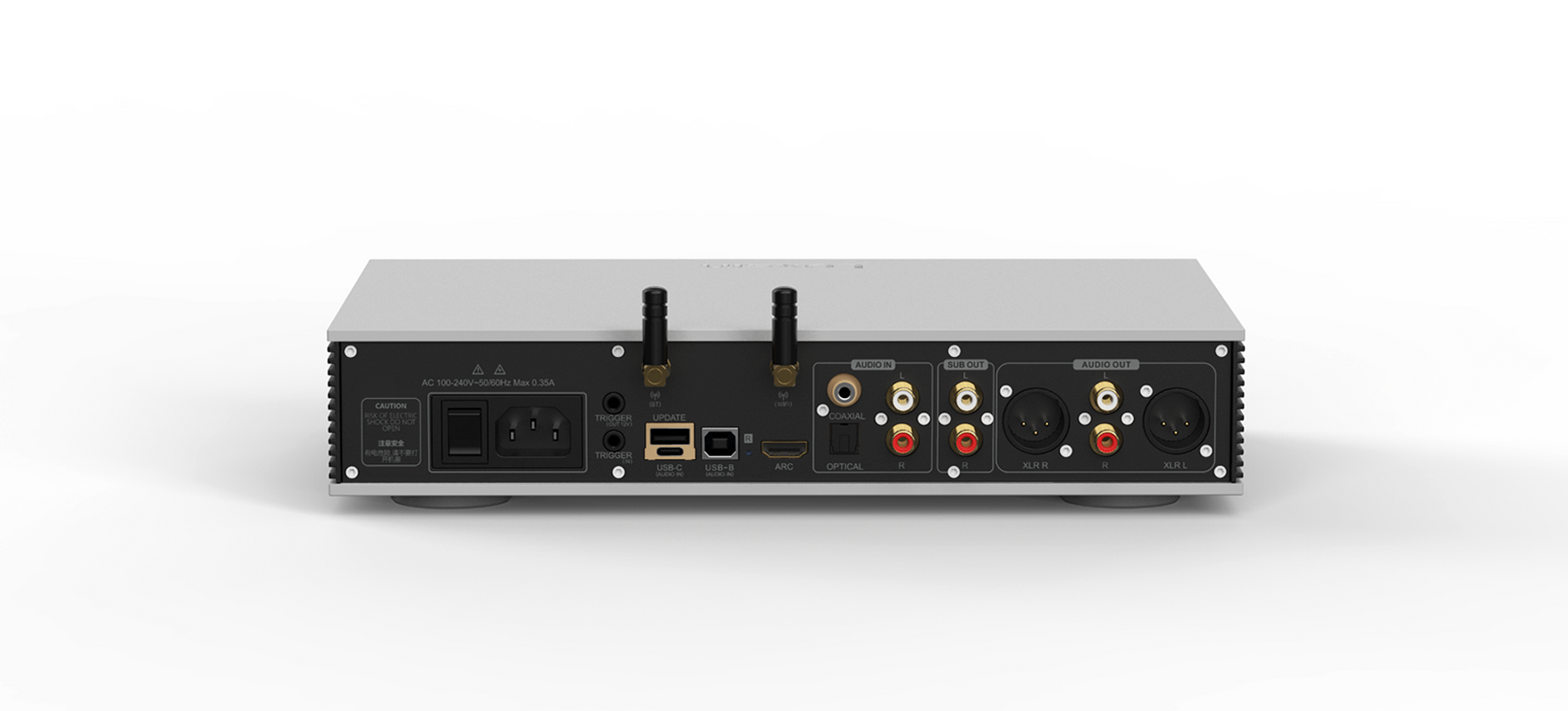
- Comprehensive I/O, including XLR and RCA outputs, USB-B, C and SPDIF input, WiFi and Bluetooth antennas, and subwoofer outputs
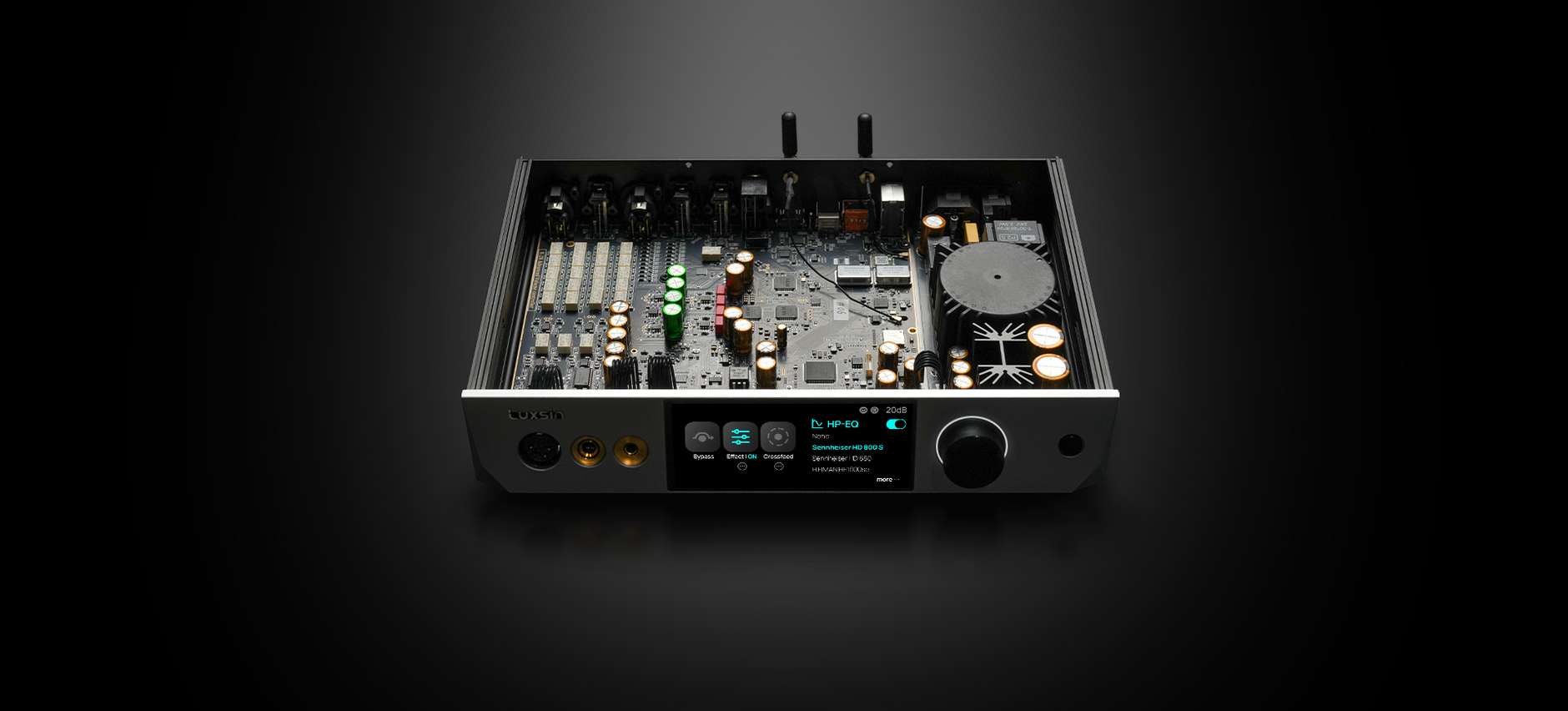
- Features a built-in parametric EQ that can be configured using the Luxman app
- Excellent build quality with a CNC machined aluminum case
- Has a self-developed headphone impedance checking system that automatically sets the most suitable output gain setting
Product Considerations
- Automatic EQ correction may not give great results due to the lack of compensation for the HRTF of the measurement rig used
- The DAC's neutral presentation may come across as a little less engaging for some listeners
- Engaging DSP features may result in giving up a little bit of sound quality
- There is no streaming built into the X9
- Some settings are only available through the touchscreen
Comparisons (according to reviewers)
- Versus FIIO K17, both sound very similar, with X9 being smoother but K17 sounding crisper and having superior soundstaging
- The Element 4 is warmer with tighter and more impactful sound and a little more open in terms of staging
Takeaway: The Luxsin X9 offers a polished listening experience with great features, offering versatility as a DAC, preamp, and headphone amplifier in one device. With comprehensive connectivity and customization options, the X9 allows users to tailor their audio experience.
All
X9
reviews


Manufacturer details
- DAC Chips: AKM AK4191EQ + AK4499EX (USB)
- DSP: AKM AK7739 DSP (Headphone EQ, etc.)
- USB Interface: XMOS XU316 (PCM up to 32-bit / 768 kHz, DSD512)
- Bluetooth: 5.0 (Supports SBC, AAC)
- Volume Control: Balanced R-2R Ladder, 0.1 dB Matching Accuracy
- Display: 4-inch TFT Touchscreen (960×400 or 1080P)
- Dimensions: 300 × 206 × 65 mm
- Weight: 3.72 kg
- Analog Output (XLR):
- 4.2 Vrms @ 0 dBFS
- Frequency Response: 20 Hz – 20 kHz (±0.25 dB)
- Dynamic Range: > 128 dB
- THD+N: < 0.000096%
- Analog Output (RCA):
- 2.1 Vrms @ 0 dBFS
- Frequency Response: 20 Hz – 20 kHz (±0.25 dB)
- Dynamic Range: > 125 dB
- THD+N: < 0.00010%
- 4–15 Vrms @ 0 dBFS
- Frequency Response: 20 Hz – 20 kHz (±0.25 dB)
- Dynamic Range: > 128 dB
- THD+N: < 0.00016%
- Power Supply: Ultra-Low-Noise Linear Power Supply, AC 100–240 V, 50/60 Hz


Brand highlights
Taking a step back to look at reviewers' thoughts of the brand's entire lineup—not just this product—what stands out most is the following:
Select products

Our take on the brand
Look inside the brand
Our interview with the brand
What are two key technological innovations or strong opinions that differ you from other brands?
What's your approach to customer support?
What are your favorite tracks for showcasing the strength of your products?
What other products pair best with yours?

Used
Luxsin
What if you spend more?



.svg)
Product Strengths
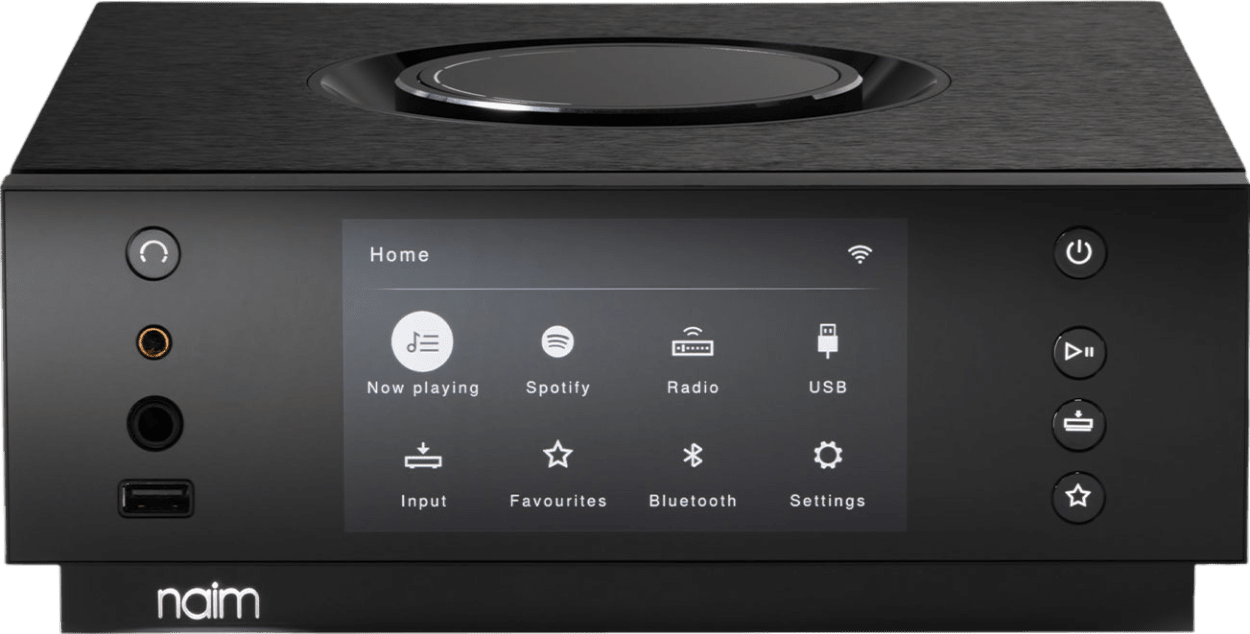
- Offers a comprehensive and flexible specification, functioning as a headphone amplifier and streaming preamp
- Produces superb sound quality, described as clear, pure, detailed, dynamic, and musical, without being overly analytical, regardless of genre or recording quality
- Features a well-made, elegant, and attractive design with a beautiful screen for album art and a satisfying volume control
- Supports a comprehensive range of streaming services and digital formats including AirPlay 2, Chromecast, Spotify Connect, Tidal Connect, Qobuz, Bluetooth, UPnP, and Internet Radio, and is Roon Ready
- Intuitive and stable app, especially for those who know what they want to listen to
Product Considerations
- The price is high relative to other headphone amplifiers/DACs on the market
- The front display is not a touchscreen
- Some might prefer a more analytical sound presentation
- The HDMI ARC connection is absent
- The Naim app lacks polish compared to dedicated music apps
Comparisons (according to reviewers)
- Vs Cambridge Audio Evo 150 and NAD M10—the Uniti Atom Headphone Edition is specifically focused on headphone use
- As a headphone amp, it is every bit as good as the Chord Hugo TT2
- Naim puts less of itself into the performance as opposed to McIntosh MHA200
Takeaway: The Uniti Atom Headphone Edition is a great self-contained system for headphone listening, with an easy-to-use interface and a beautiful design. It is a quality product that can be a centerpiece for your home audio.
Video review
Our take on the brand
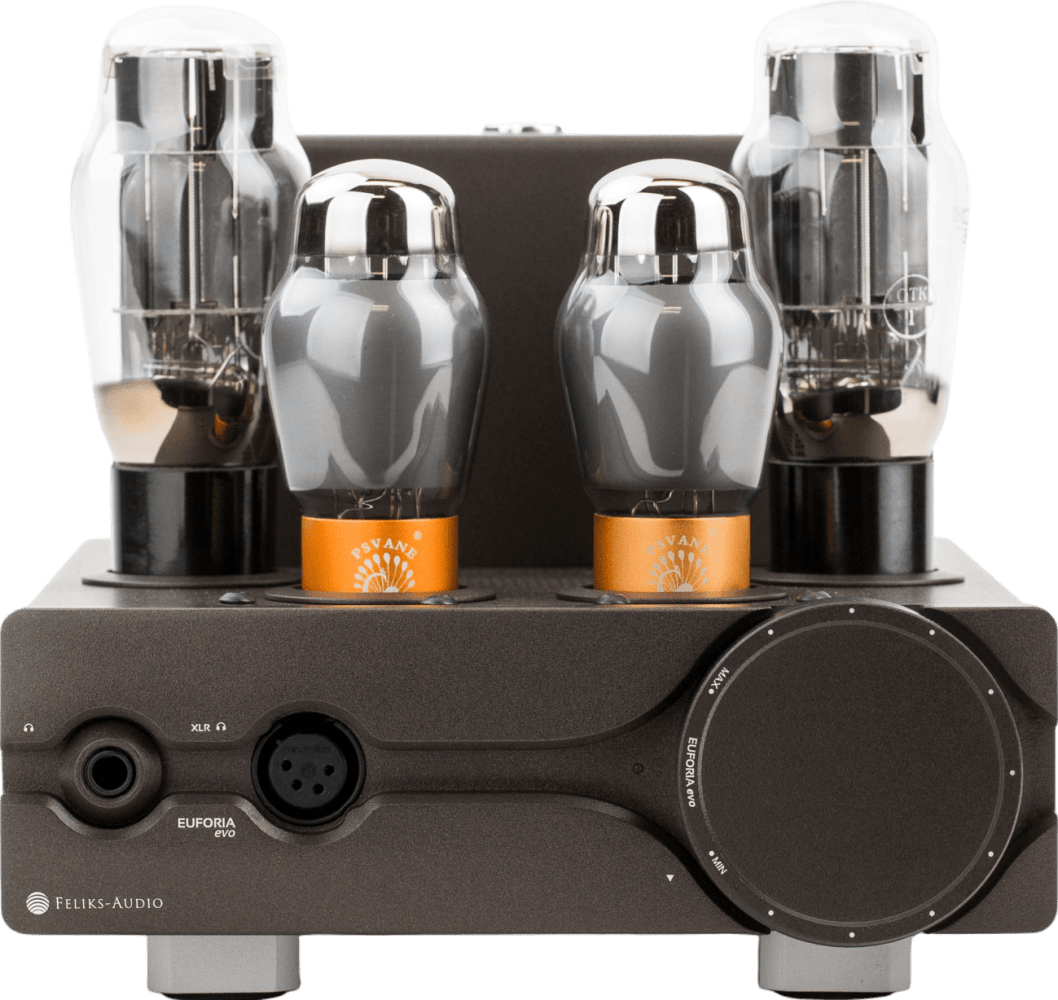

Ultimate achievement in OTL technology. Perfect match with dynamic headphones and most planars. Features XLR and RCA headphone outputs with smooth, neutral and dynamic sound thanks to UPOCC wiring, premium components, and point to point design.
Product Strengths
- Delivers a smooth, embracing, and euphonic tone, making it enjoyable to listen to for extended periods without fatigue
- Offers excellent detail and ambiance reproduction, resulting in a sublime and neutral sound that pairs beautifully with high-impedance headphones
- Provides a wide and airy sound with neutral tuning, combined with a rich and smooth texture
- The midrange is powerful, vivid, and lively, offering a unique and analog timbre for engaging listening experiences
- Produces a wide, three-dimensional soundstage and lifelike, holographic imaging for an immersive listening experience
Product Considerations
- Lacks power for driving very demanding headphones
- Generates a considerable amount of heat, requiring placement in a well-ventilated area
- Has some coloration in the low-end, which may not appeal to all listeners
- The on/off switch is located on the back panel, which might be inconvenient in some setups
- May not be 'tubey' enough for some users seeking stronger tube coloration
Comparisons (according to reviewers)
- Vs Feliks Audio Envy: It 'hits' differently and is a more budget-friendly option for high-impedance headphone owners
- Vs SMSL SH-X: Both amps generate a lot of heat, but it offers more realistic staging and imaging
- Vs HIFIMAN Prelude: It offers a neutral, dynamic, and colorful sound, while Prelude is smooth, lush, warm, and bassy
- Vs Violectric HPA V340: It provides tube richness, a wider soundstage, and better instrument separation compared to the brighter and harder sound of HPA V340
- Vs Feliks Audio Euforia (original): The Evo delivers more color, contrast, dynamic range, and resolution with better control and lower distortion, especially with hard-to-drive headphones
Takeaway: The Euforia Evo is a tube amplifier that gives music a smooth, rich, and detailed sound. It is great for those who want to experience high-quality audio and enjoy listening to their headphones.
Video review
Our take on the brand

Product Strengths
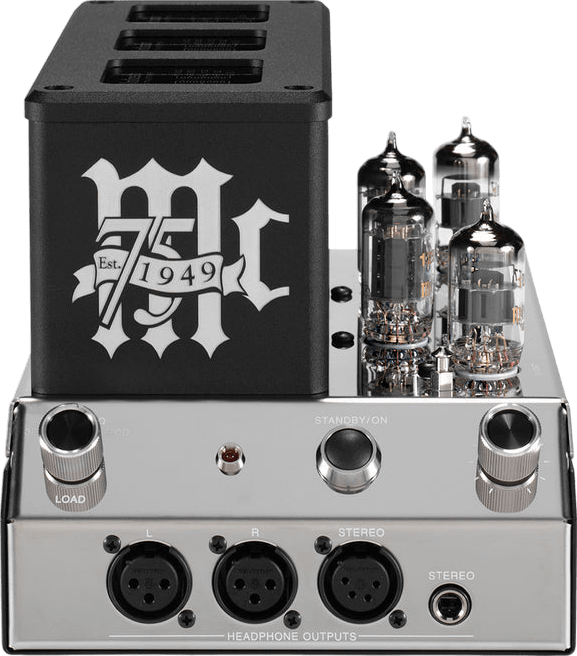
- A lovely, lush sounding performance that's hard to dislike and sounds smooth but far from lifeless, delivering high levels of detail in a cohesive and musical manner
- A sympathetic performer, it prefers to play to its inferior partnering equipment's strengths than overly expose their weaknesses, as many hifi audio examples tend to do
- It can cater for a wide range of headphones and connections and it is a benchmark product that's highly recommended
- Zero musical flaws to report and is nearly perfect in execution
- A stunning design to the eye and ear, it is overall a wonderful addition for the perfectionist who wants the very best performance at home or even in the studio
Product Considerations
- The volume control operation lacks linearity, making it hard to make subtle changes in level
- No input selector, so one should only connect one type at once
- On some samples, the volume control is loose and wiggles in its chassis housing
- The octal AC socket is a bit of an odd choice, considering most users might prefer IEC
- The depth, snap and weight of the low end was dynamic and exciting on some recordings and less than stellar on others
Comparisons (according to reviewers)
- Vs Musical Fidelity M1 HPA—the MHA200 has a lush warmness to the music that brings strings to life in a way that makes the M1 HPA sound somewhat sterile in comparison
- Vs EAR Yoshino HP-4 reference—the MHA200 was a touch brighter than the reference, though only slightly
Takeaway: The MHA200 is an enjoyable product with a rich, balanced, and powerful sound, that's more forgiving than most rivals and can be enjoyed for years to come. This headphone amp is perfect for personal listening, design, and operation that will work its magic.
Video review
Our take on the brand


Product Strengths
- Versatile amplifier that breathes life into a wide range of headphones
- The purity of the sound creates a very natural tonality and a very organic experience in general
- Incredible depth, note separation, and holography, with a soundstage that envelops the listener
- Connectivity options...
Product Considerations
- It runs hot and needs space to breathe, as it is a class A amplifier
- Its hefty size (10kg) might be too much for a small desk
- Hifiman Susvara users might want to look for another amplifier
Comparisons (according to reviewers)
- Pass Labs HPA-1 has an unmistakably organic feel, while Bliss leans more towards a very clean and pure neutral presentation
- Holo Bliss brought a new level of energy and control to the music, while refining the details and presenting them in a purer, more organic way
- Compared to Felix Audio Euphoria Anniversary Edition, a little of that black background is lost, and more of a sunset feel is gained, with more of a lush midrange akin to the characteristics of the Tube
Takeaway: The Holo Audio Bliss is a versatile and powerful amplifier that delivers an exceptional listening experience, with a focus on purity, holography, and natural tonality, making music vibrant and captivating. With its top-notch build quality, it's designed to be the heart of any high-end audio setup.
Video review
Our take on the brand
What competes at this price?

Our Summary
Product Strengths
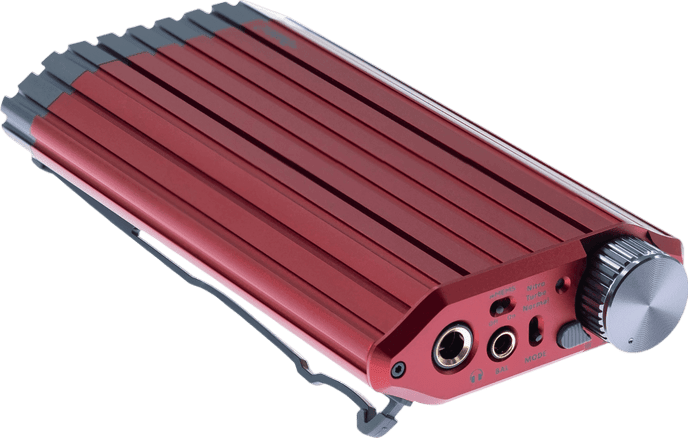
- Delivers a vividly detailed and balanced sound, handling complicated mixes with skill
- Able to extract a lot of information from digital audio files with apparent ease
- A volume lock prevents accidental volume adjustments when the device is in a pocket or bag
- Extensive specification including Bluetooth 5.4 with aptX Lossless compatibility and multiple inputs/outputs for versatile connectivity
Product Considerations
- Some reviewers feel the device is not very pocket-friendly due to its size and sharp edges, making it better suited as a transportable—rather than a truly portable—device
- The gain is set too high, making precise volume control difficult, especially with sensitive IEMs
- Using IEMatch adds output impedance, which can negatively affect the tonal balance and dynamics of some IEMs
- The length of the included USB-C cable is short, making it difficult to position the device on a desk
Comparisons (according to reviewers)
- Compared to the iDSD Diablo 1, the Diablo 2 offers slight sonic improvements and better build quality, but at a higher price
- Compared to the iDSD Signature, the iDSD Signature is considered by some to offer a better result for less money, with a more realistic instrument and vocal timbre, larger soundstage, and customizable features like crossfeed and bass boost
- Compared to the FiiO Q7, the iDSD Diablo 2 has a vivid sound, where the FiiO Q7 has a smooth and wide sound
Takeaway: The iDSD Diablo 2 is a powerful and versatile DAC/amp that enhances headphone listening with its detailed sound and extensive features. It is a good choice for users who want a high-quality audio experience on the go or at their desk.
Video review
Our take on the brand

Our Summary
Product Strengths
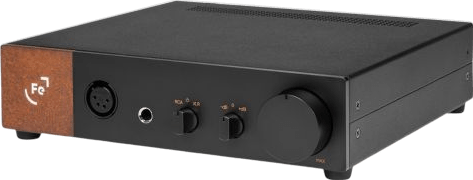
- Compact size compared to competitors, allowing for easy integration into desktop setups
- The OOR outputs 8 watts of power at 60 ohms and 1.6 watts at 300 ohms, making it one of the most powerful headphone amplifiers ever made
- Low gain setting is silent with sensitive IEMs
- Employs a fully discrete class AB amplifier; there are no op-amps used
Product Considerations
- Simultaneous use of the balanced and single-ended preamp outputs with the main headphone output is an inconvenience
- The unit gets quite warm after a few hours of use—recommending a well-ventilated area
- Powering on the unit requires going from balanced to single-ended
Comparisons (according to reviewers)
- Vs Benchmark HPA4, OOR felt considerably more alive, fleshed out, and natural sounding
- Vs Flux Volot, the reviewers felt that the OOR was more visceral sounding
- Compared to Fluxlab Acoustics, the OOR is a warmer and more soul-infusing amplifier and it never wants to be linear or flat
- Vs Flux Lab Acoustics Volod, it was easily bigger sounding, easily more impressive sounding, just more layered
Takeaway: The Ferrum OOR is a powerful amplifier in a small package, and it is built with great attention to detail. It has an engaging sound with a touch of warmth.
Video review
Our take on the brand

Our Summary
Product Strengths
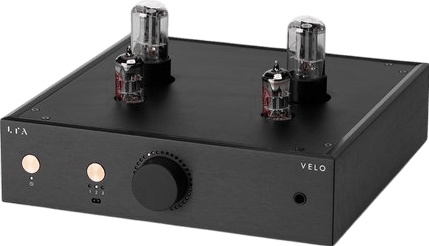
- Wonderfully enjoyable and transparent sound, described as smooth, resolving, and engaging, enhancing music without coloration
- Open design makes it easy to swap out the tubes
- It opens the soundstage in depth and width, increasing the ability to hear the placement of instruments, and micro details and spatial cues become more accessible
- Versatile, the Velo works well with different headphones (low/high impedance, dynamic/planar)
Product Considerations
- Not particularly powerful, the Velo might require more volume dial rotation compared to other amps to reach desired listening levels
- Bass might sound a little too rounded and lacking texture compared to some setups
- Lacks balanced XLR features
- The included switching power supply is not at the same performance level as the upgraded linear power supply
Comparisons (according to reviewers)
- Vs Linear Tube Audio MZ3: The MZ3 is more resolving and detailed, while the Velo is richer and smoother, the MZ3 is more technically engaging, but the Velo is more emotionally engaging
- Vs Burson Soloist 3X-GT: The Soloist 3X-GT has more power and greater resolution/clarity with a balanced cable, but the Velo is more intimate and relaxing
- Vs Oliver Sayes Type 26 DHT preamplifier: The Velo strikes a nice middle ground between the overly 'emotional' tube stage and the 'straight' sounding TVC mode
- Vs Eddie Current Zana Deux SE OTL: Unlike the Zana Deux, it doesn't go too far in warmth to the point of sounding mushy
Takeaway: The Velo is a versatile tube amplifier that provides a wonderful and enjoyable listening experience by being transparent and smooth. It's designed for music lovers who value emotional engagement with their music.
Video review
Our take on the brand

Our Summary
Product Strengths
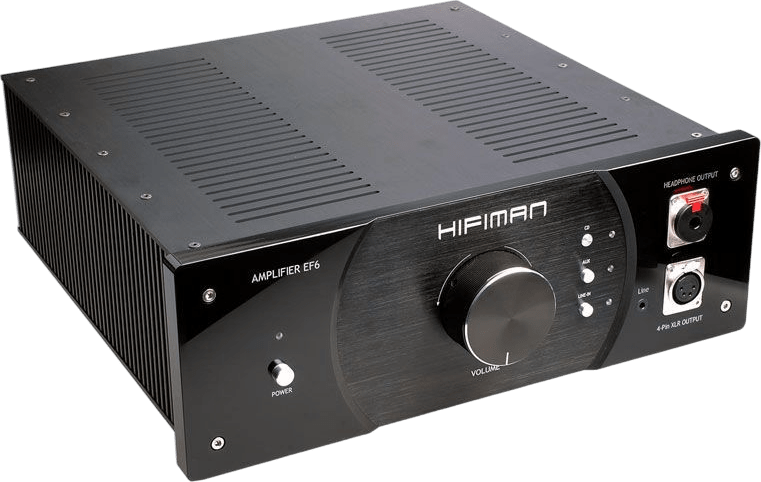
- Specifically designed to drive the power-hungry HE-6 planar magnetic headphones.
- Boasts 5 watts Class A per channel, providing massive output power.
- Delivers a wonderfully lush and smooth sounding presentation.
- Offers a clean and neutral tonality.
- Exceptionally well-rounded in terms of genre selection.
Product Considerations
- Lacks balanced circuitry option.
- Does not include a remote control.
- The buttons feel loose.
- The lateral heatsinks can get quite toasty to the touch if played long enough.
- The EF-6 arrived without a power cord.
Comparisons (according to reviewers)
- Vs Schiit Lyr: The EF-6 stays noticeably cooler after an hour or so of usage.
- Vs Schiit Mjolnir: The EF-6 edges out the Mjolnir for smoothness, the Mjolnir would be the closest for power, though tonally it is a bit brighter and more dynamic than the EF-6.
Takeaway: The EF-6 is a great choice for those seeking a powerful and versatile amplifier, especially for demanding headphones like the HE-6, with a smooth and engaging sound signature. It is a worthwhile investment for audiophiles seeking a high-quality listening experience.
Video review
Our take on the brand
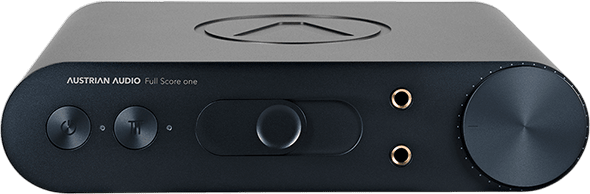

Our Summary
Product Strengths
- Beautifully built
- Offers a clear, detailed, and balanced approach to music replay
- Has impressive compatibility with a wide range of headphones from 10-600 ohms
- True Transient Technology improves detail resolution, leading-edge definition, and image precision
- Has enough power to drive three headphones simultaneously
Product Considerations
- The True Transient Technology can make the Full Score One fussier about recording quality, revealing any harshness or edge mercilessly
- Has only one input
- Volume control adjustment could do with greater subtlety for low-level listening
- The build quality from a studio perspective is neither one space rack or two
Takeaway: The Full Score One is a well-made and sonically talented headphone amplifier that offers a clear and balanced listening experience. A warmly recommended amplifier if you want to get the most from high-end headphones and have sources of sufficient quality.
Video review
Our take on the brand
How to buy
Amplifiers
Search all hifi products
Explore our database of 10,000+ new and 25,000+ used hifi products.