




Note that this is a discontinued product. You may want to visit the brand's page here to browse their newer products.
What reviewers think
Bloggers and YouTubers have tried this product—so we've summarized their strongest opinions below. Links to full reviews follow.
Product Strengths
- Versatile input impedances make it a good fit for moving magnet and mid to high-level moving coil cartridges
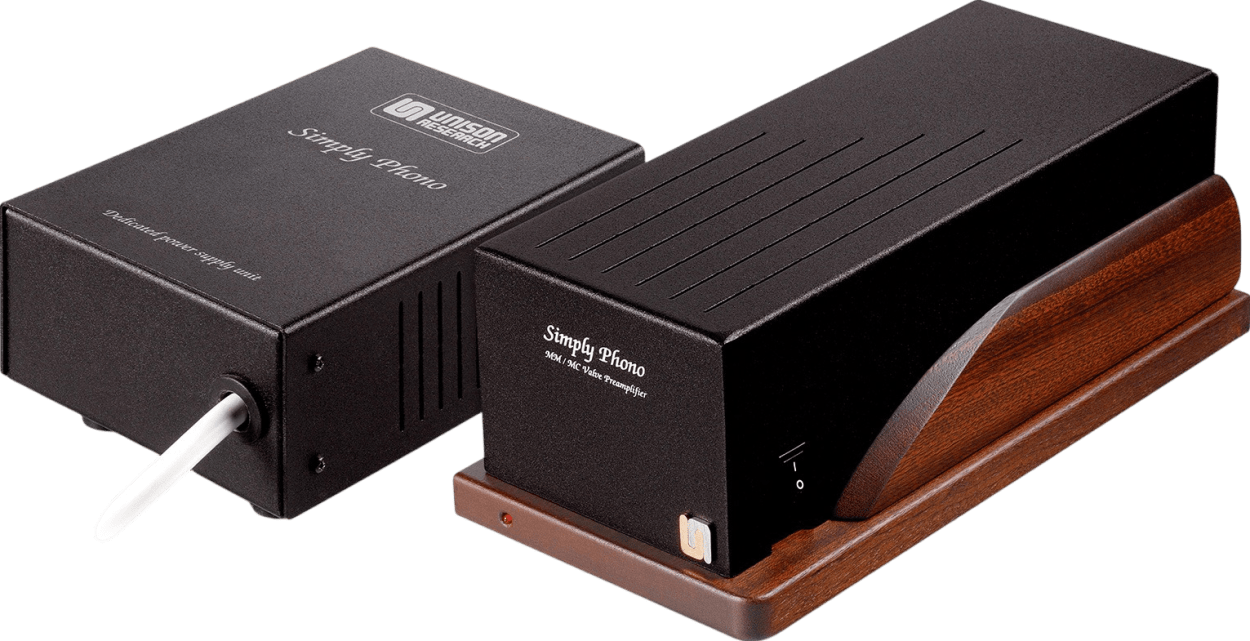
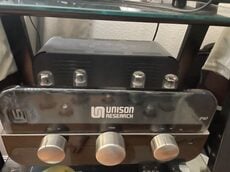
- Dual-chassis design, with the power supply housed in its own box to isolate noise from the phonostage
- Fluid and vibrant sound, characterized by warmth and roundness
- Rediscovering of vinyl collection and hearing new details in familiar recordings
- Protective enclosure keeps the tubes safe
Product Considerations
- At $2445, a significant investment
Takeaway: The Simply Phono is a great tube phonostage if you want something high-quality. It delivers soulful performance and can help you rediscover your music.
All
Simply Phono
reviews


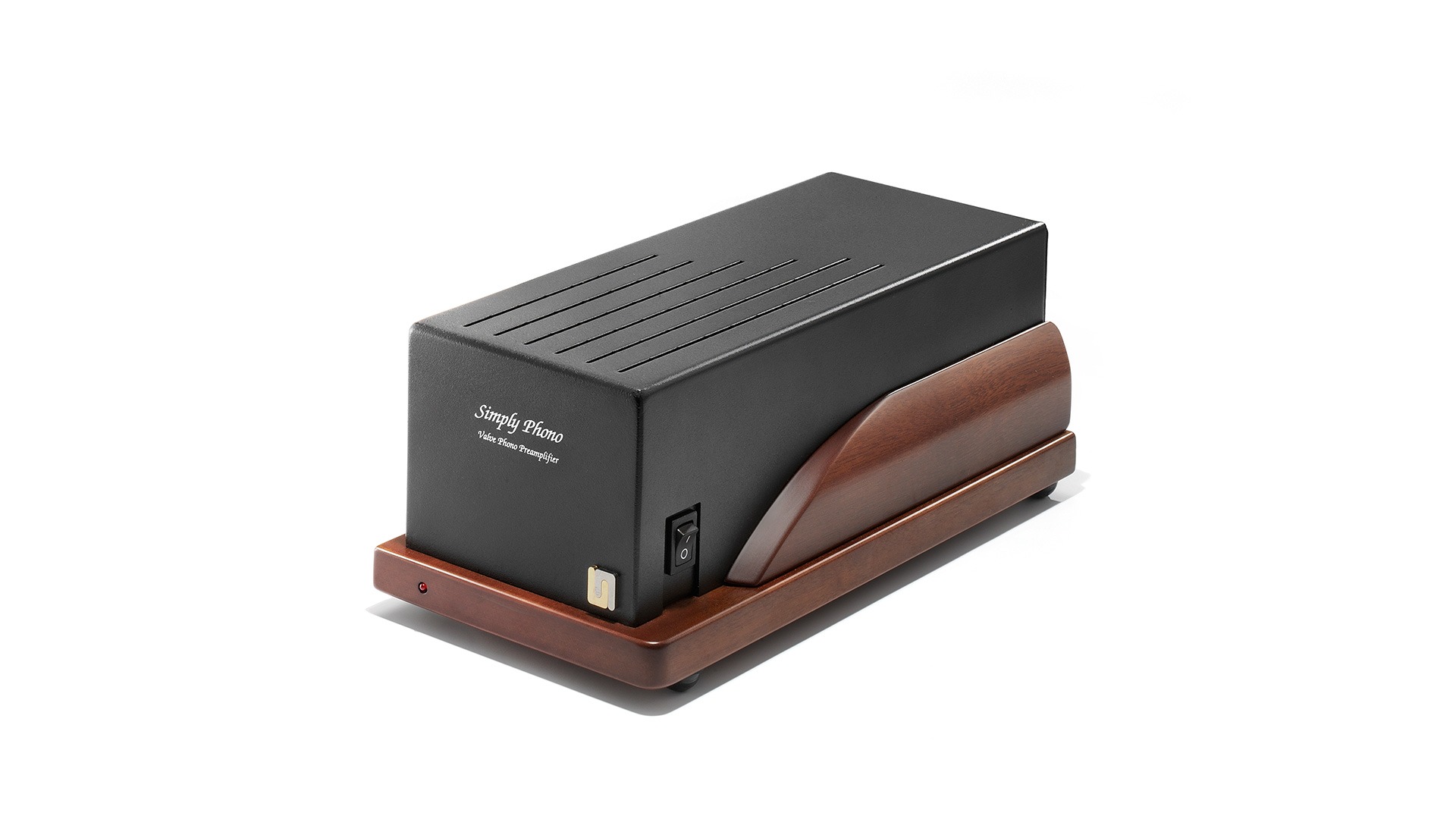
Manufacturer details
- Type: Stereo Phono Valve preamplifier
- Class: Pure A class
- RIAA: passiva +/- 0.2 dB (20 Hz / 20 KHz)
- Output Impedance: 800 ohm
- Gain: 52 dB
- Total Harmonic Distortion (THD): 0.4% at 1 volt output
- Signal to Noise Ratio (S/N): -72 dB
- Input Impedance: 47 Kohm – 100 – 50 – 22 ohm / 100 pF (modifiable)
- Feedback factor: 0 dB
- Valves: 4 x ECC83 / 12AX7
- Power Supply: external
- Dimensions: 140 x 290 x 105 mm
- Net Weight: 3 Kg (including power supply)









Brand highlights
Taking a step back to look at reviewers' thoughts of the brand's entire lineup—not just this product—what stands out most is the following:
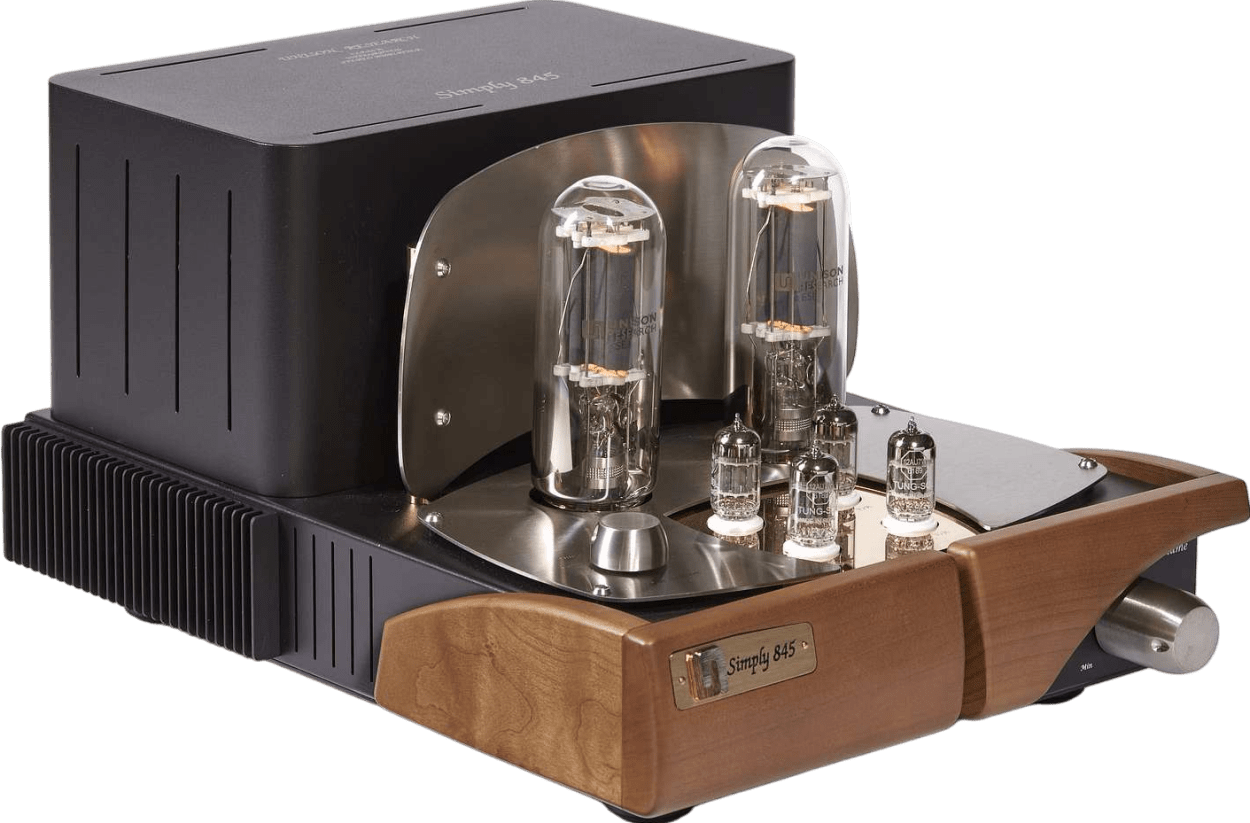
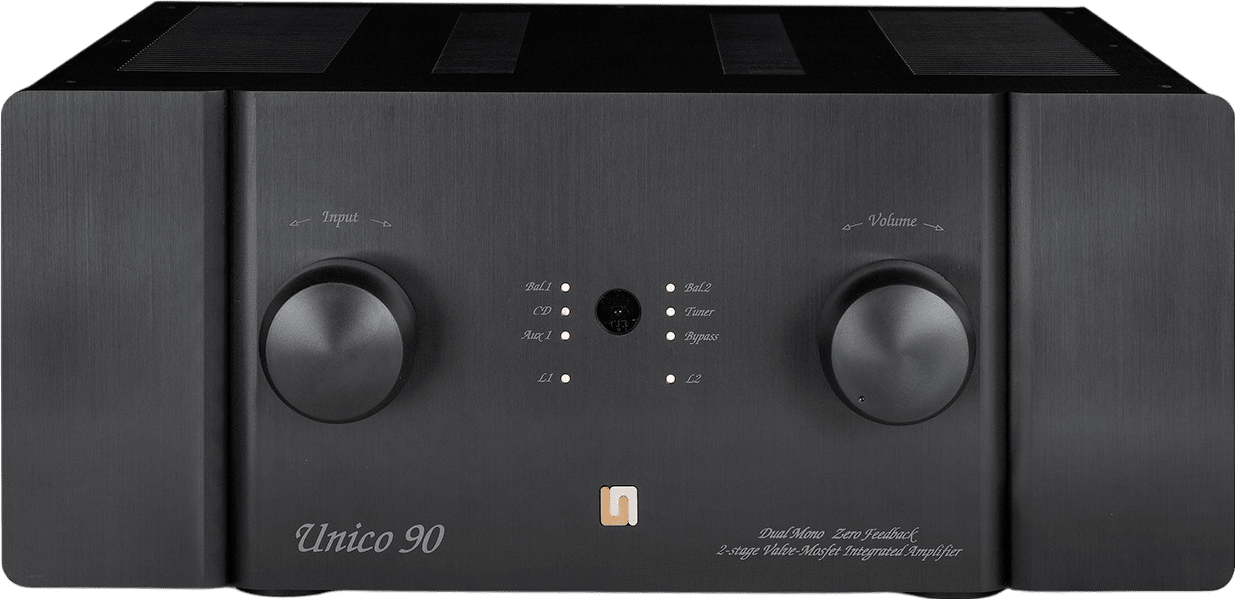
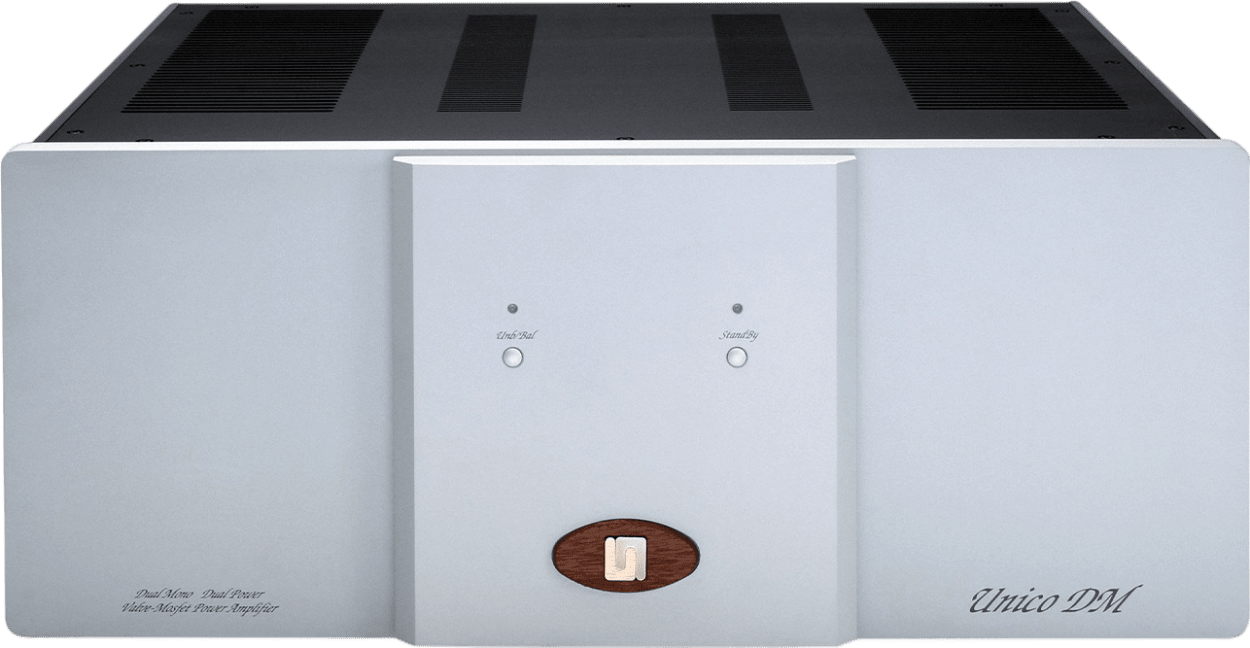
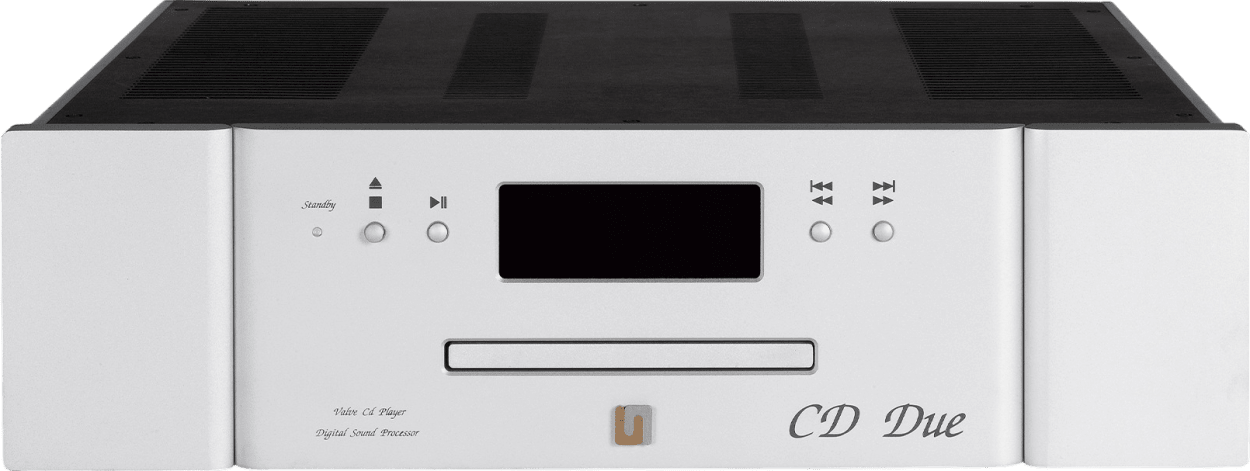
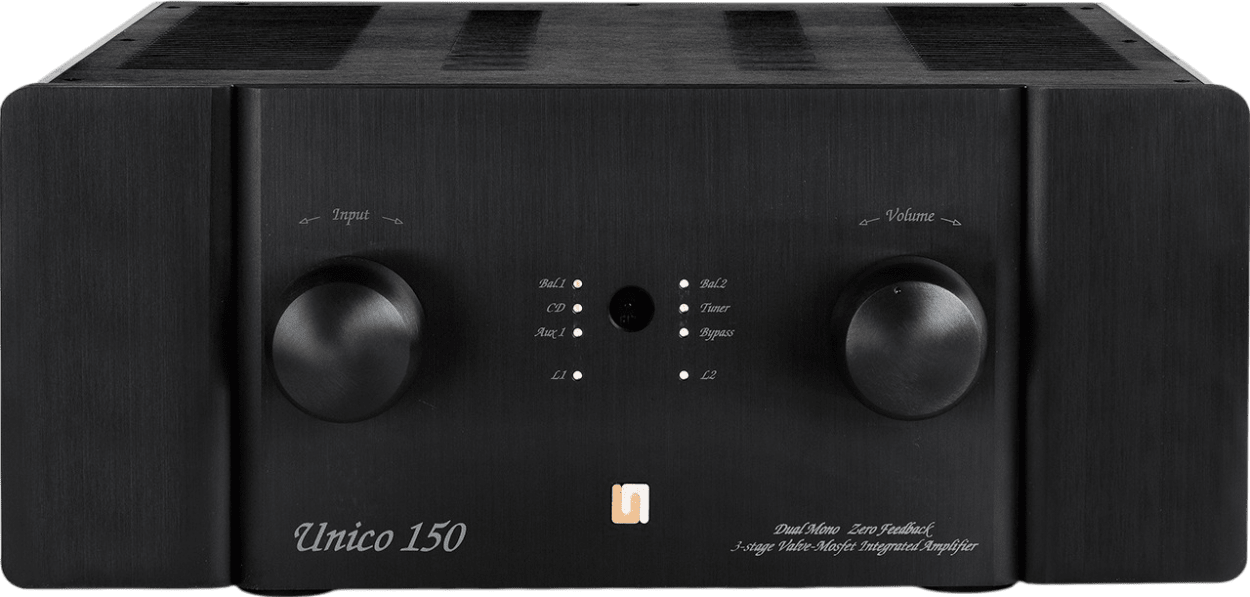
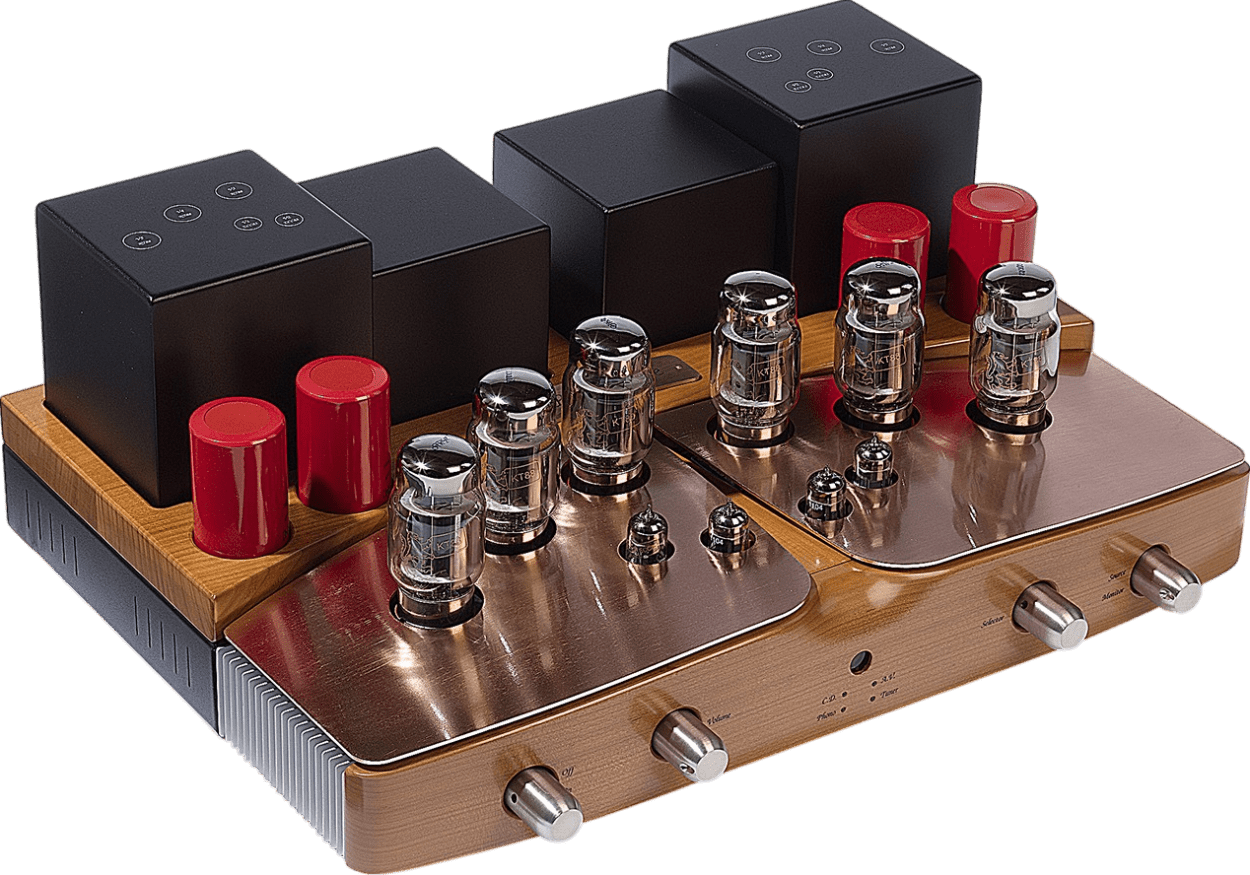
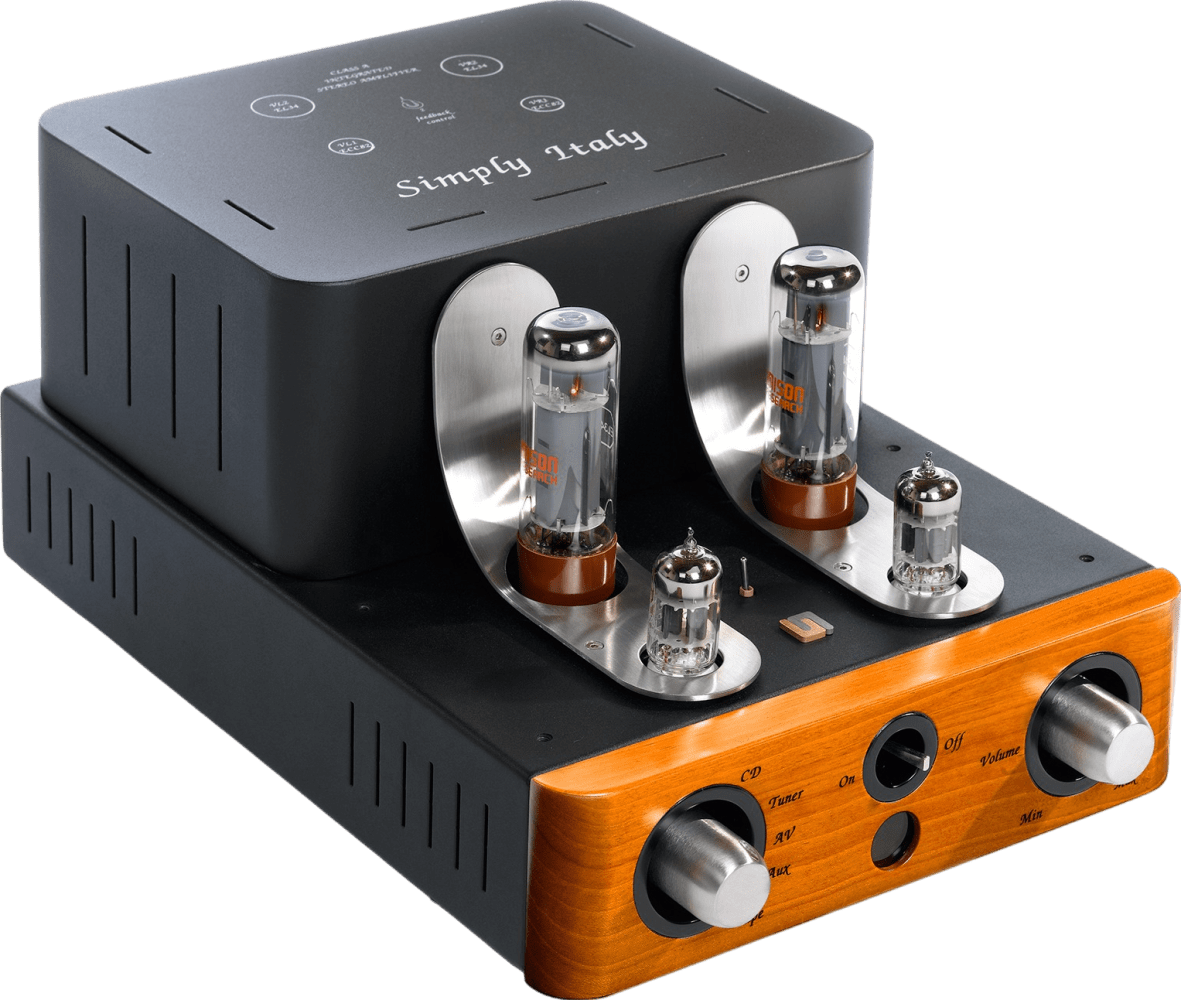
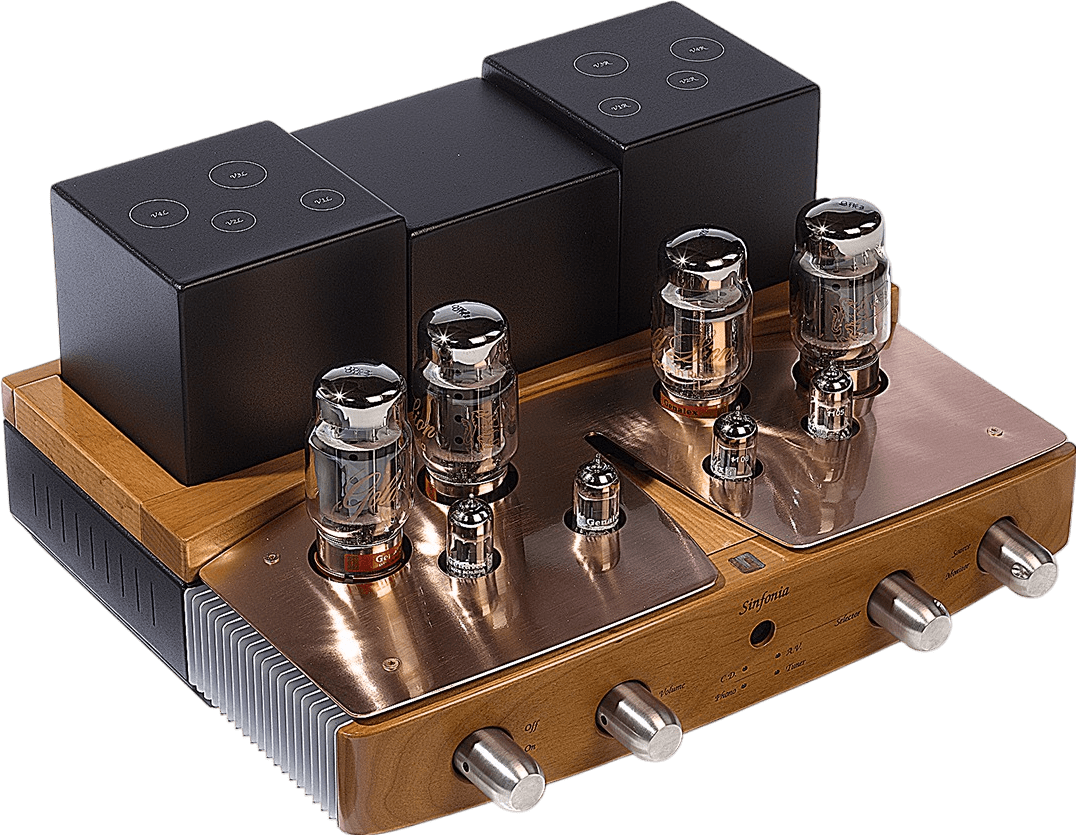
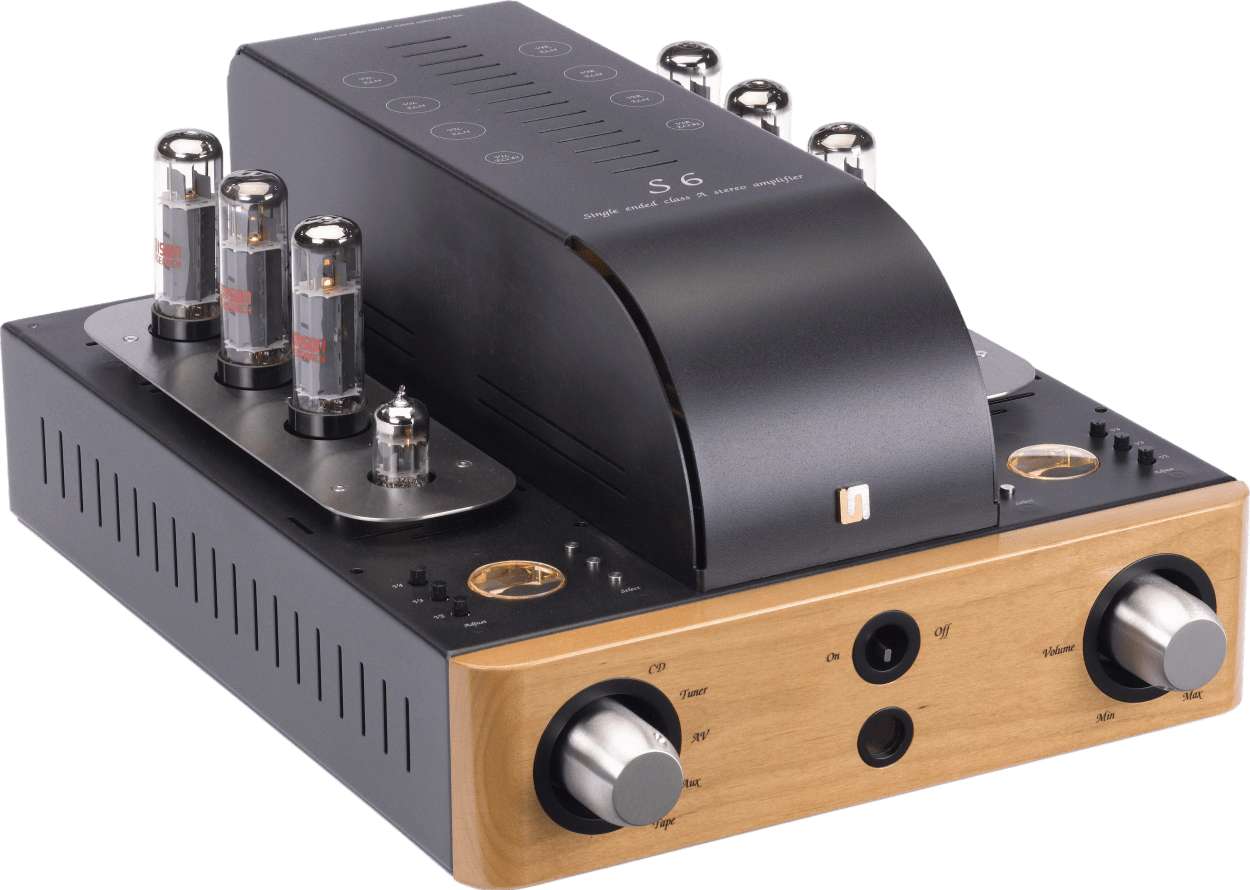
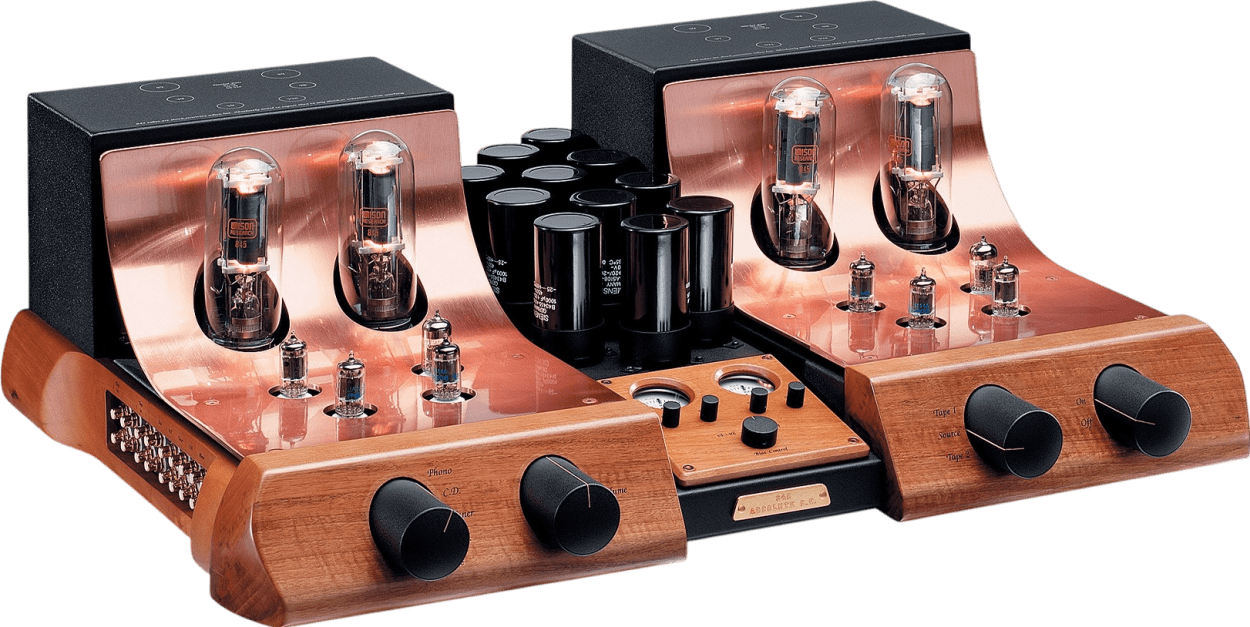
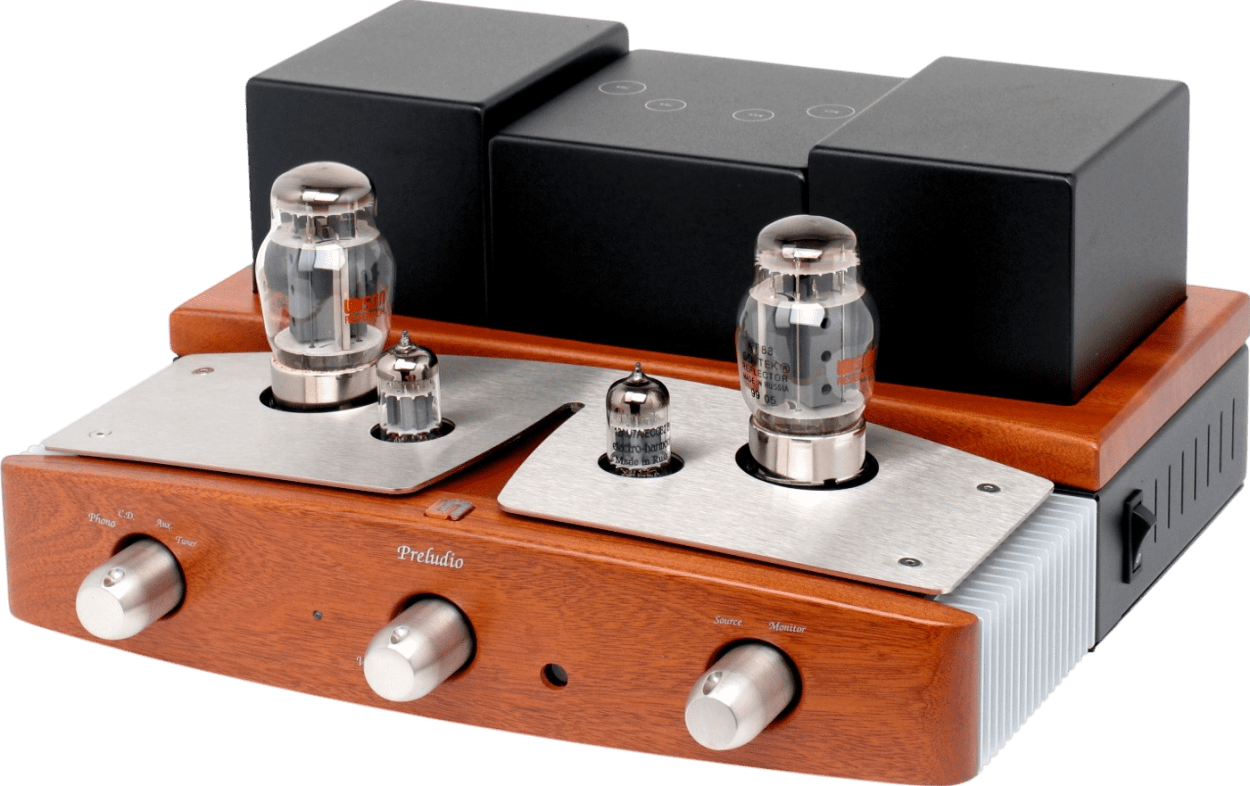
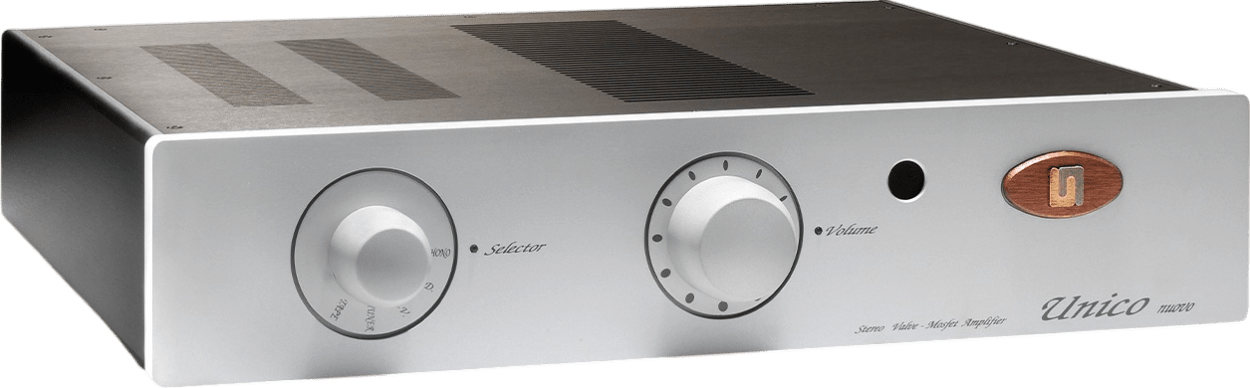
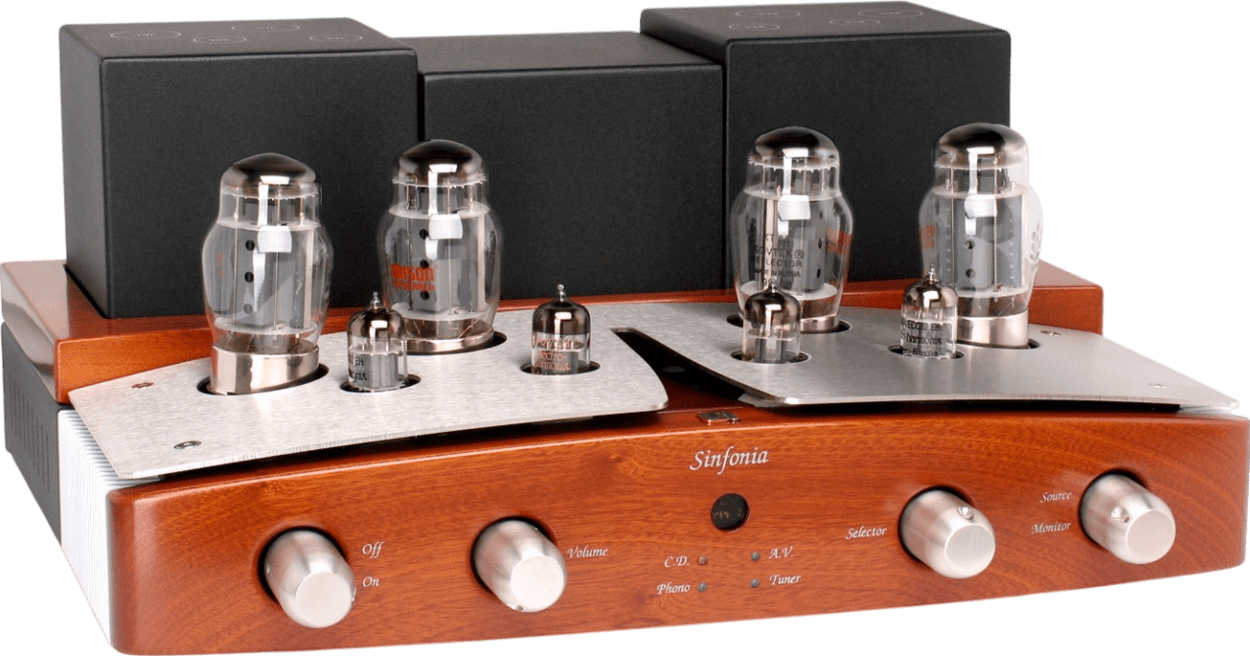
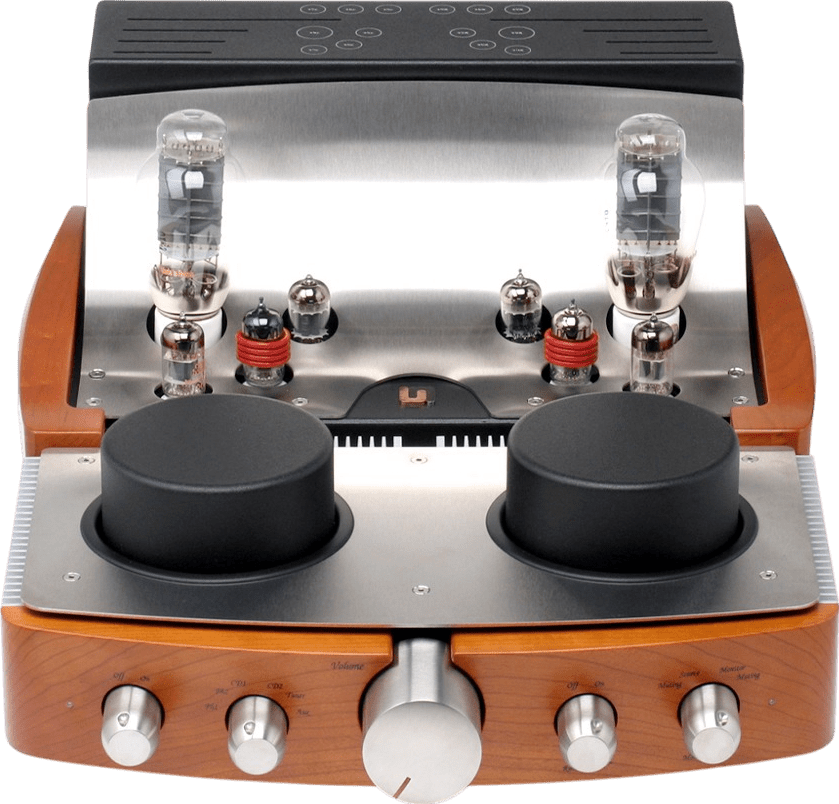
- Unison Research products are hand-crafted in Italy, using locally sourced materials and distinctive design elements like wood trim and stainless steel, creating a unique visual aesthetic.
- They specialize in hybrid amplifier designs, using tubes in the preamp stage and solid-state MOSFETs in the output stage, aiming to capture the sonic benefits of both technologies.
- They custom-design and manufacture their own transformers, tailoring them to specific amplifier models for optimal performance and a unique sonic signature.
- Unison Research designs incorporate minimal stages and often utilize zero feedback, prioritizing sonic purity and a balanced sound across a wide range of music genres.
Select products
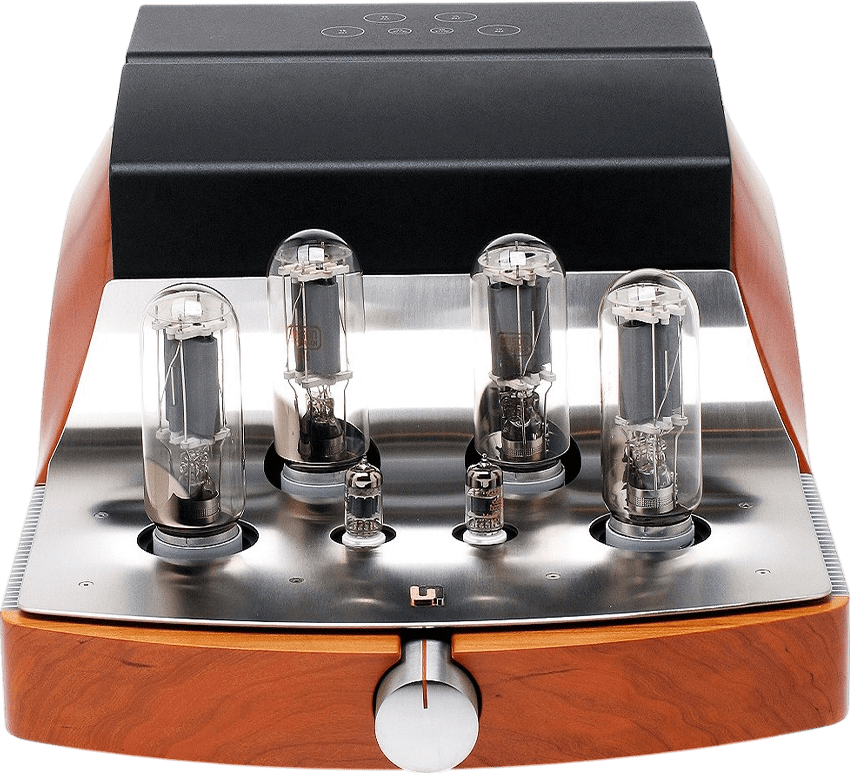
Simply Italy
- Positioning: The entry-level integrated amplifier in the Unison Research lineup.
- Description: Offers a compact design with a focus on delivering high-quality sound through its single-ended, ultralinear Class-A output stage. It stands out with its optional USB DAC board, making it versatile for digital audio sources, unlike the more traditional analog-only models like the S6.
Unico Primo
- Positioning: A mid-range integrated amplifier in the Unison Research lineup, offering a balance of performance and affordability.
- Description: Features elegant design and robust build, with a Dynamic A Class POWER MOSFET output stage. Its multiple RCA inputs, including an optional phono stage, offer greater system compatibility compared to the more basic Simply Italy.
Triode 25
- Positioning: A versatile mid-to-high range amplifier, celebrating Unison Research's 25th anniversary with advanced features.
- Description: Notable for its ability to switch between triode and pentode modes, offering flexibility in sound output. Its dual-mode operation and higher power output provide enhanced versatility.
Performance
- Positioning: A premium offering, designed for those seeking high power and classic design.
- Description: Delivers 45 watts per channel with a dual mono design, providing a powerful and immersive audio experience. It surpasses the S6 in power. Its bi-wiring capability and elegant design enhance its functionality.
Reference
- Positioning: The flagship monoblock amplifiers in the Unison Research lineup, offering the highest level of performance.
- Description: Designed for ultimate power and precision, featuring a double parallel single-ended Class-A design. With 80 watts of output power, they exceed the Performance model. Their superior build and advanced technology represent the pinnacle of the lineup.

Our take on the brand
Look inside the brand
Our interview with the brand
What are two key technological innovations or strong opinions that differ you from other brands?
We’re an Italian company that sources everything as locally as possible. Italian through and through—everything we do is done here in Italy. Italian gear really does have its own sound. Sounds more romantic, less analytical. Very listenable. Low levels of ear fatigue.
We’re still hand making tube amps and continually refining them. New innovations in grounding, such as each component being grounded independently so they're really quiet as far as tube amps go, is an ongoing focus—always evolving mature tech.
But we also have new modern tech that's a hybrid of solid state and tube—to give you the best of both worlds. You can run pretty much any speaker you want.
In short, it’s a really easy to listen to sound.
What's your approach to customer support?
What are your favorite tracks for showcasing the strength of your products?
What other products pair best with yours?
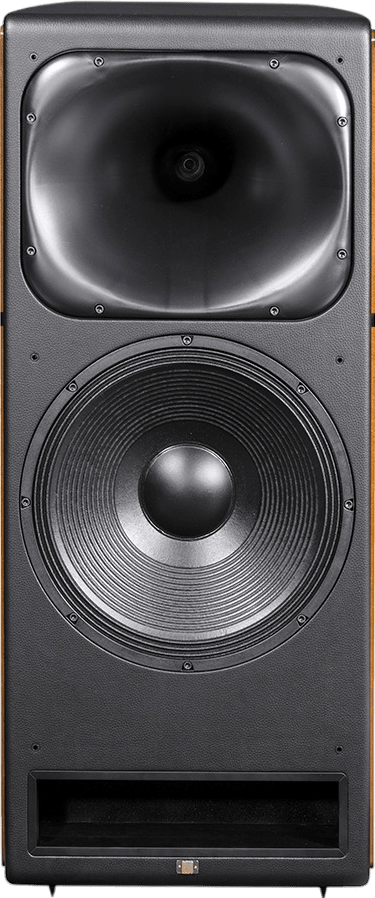
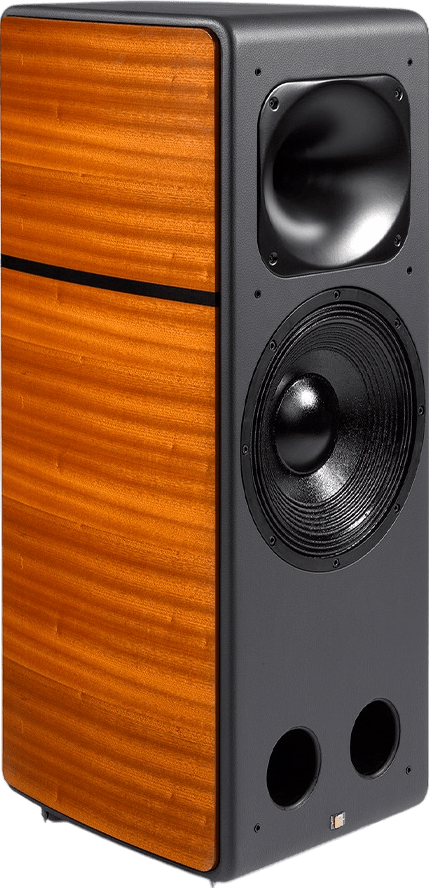
Opera speakers are a great pairing because they're under the same parent company . When Unison is voicing their amps, they use Opera speakers, and vice versa.
However we've had no issues with pairing with Unison research. (But if you're looking at tube gear, you do have to be more careful because you do need a more sensitive speaker.)
In fact, are your speakers very technical? Pairing with Unison Research can help tame that a bit.

Used
Unison Research









What if you spend more?



.svg)
Product Strengths
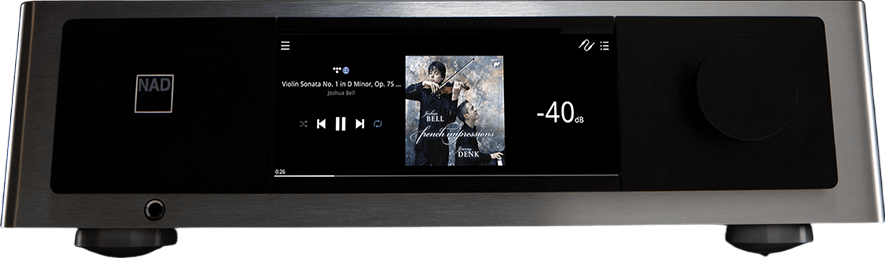
- Offers a wide range of features rarely seen in a component of this type, including a high-performance DAC, analog preamplifier, BluOS streaming, Dirac Live room correction, and a high-quality phono stage
- Includes Dirac Live Bass Control for up to four independent subwoofers, allowing for optimized bass performance and integration, and Dirac Live improves clarity and bass definition
- Uses ESS Sabre DAC chips, known for wide dynamic range and low noise/distortion
- Features a modular design that lets one expand its capabilities, helping to ensure product longevity and up-to-date functionality
- Offers versatile connectivity with a comprehensive array of inputs and outputs, including balanced XLR, AES/XLR, and HDMI eARC
Product Considerations
- BluOS is limited to a maximum resolution of 24-bit/192kHz
- Does not offer home-theater bypass, though it could be implemented in a future upgrade
- Dirac Live iPhone app not always successful at recognizing microphone
- Touchscreen does not behave in the same way as an EverSolo or a FiiO, because one cannot browse music libraries with it, it is really just for input and settings and just the kind of nitty-gritty of daily use, but not music playback
- Some found the styling a bit overdone, while others appreciated the display
Comparisons (according to reviewers)
- Is considered better overall than the Anthem STR due to a more sophisticated room correction system and a fully featured multiroom streaming platform with wireless capability
- Sounds more lit up top to bottom with greater avidity than PS Audio, and it better exposes surface textures, and layer separation is more easily seen
- The MC input quite clearly resolves more finer detail and it better inks tonal colors compared to the MC phono stage built into the Cambridge Audio Alva TT 2 turntable
Takeaway: The NAD M66 is a sophisticated and feature-rich streaming preamplifier, offering a versatile set of tools for audiophiles seeking precise sound reproduction and optimized bass performance. With its modular design and future-proofing capabilities, the M66 is a great choice for anyone building a high-end hifi system.
Video review
Our take on the brand

Product Strengths
- Incredibly saturated sound packed with information, resulting in a deep and detailed presentation
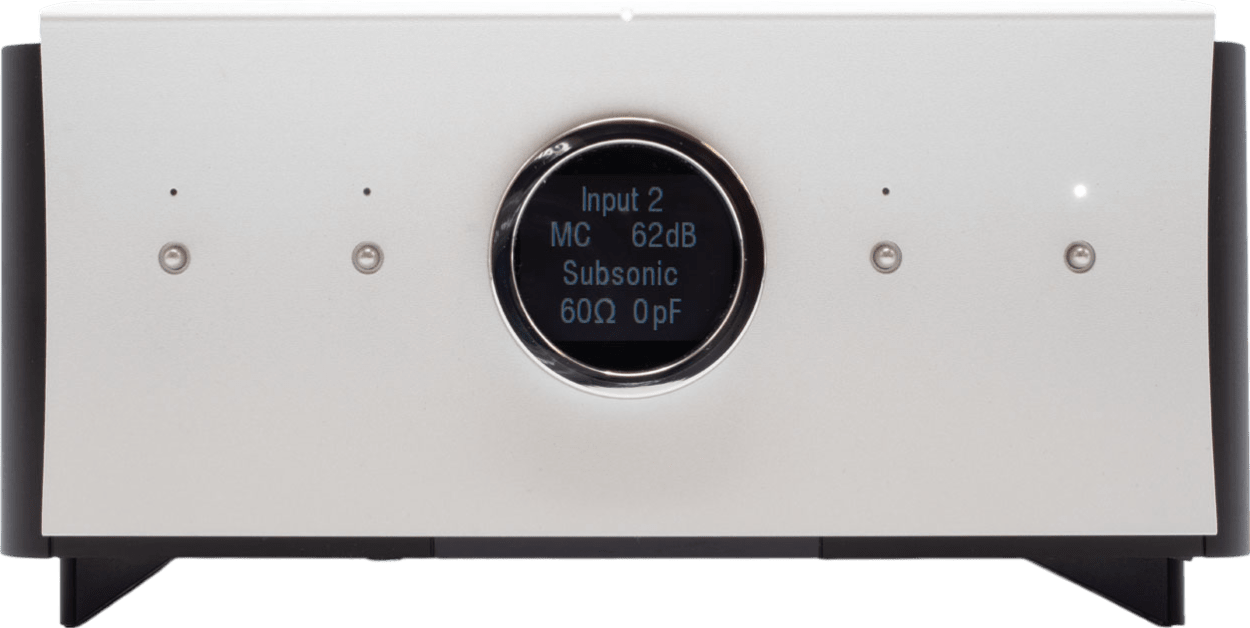
- Separate gain paths for MM and MC cartridges, optimizing performance for each
- Extremely silent and powerful signal transmission capabilities
- Offers a wide range of settings to optimize performance for any cartridge, including extensive gain and loading options, and dozens of equalization curves
- Parameters can be adjusted on the fly using a custom Mola Mola app
- Design allows it to get out of the way of the music, allowing the music to swell and breathe majestically
Product Considerations
- The new review sample took some 300 hours to stabilize
- A slight faltering of absolute pitch definition and texture below about 40-45 Hz
- Some may find the sound too neutral and challenging—preferring a more lush sound
- With so many parameters to adjust, people may use the unit's abilities as a tone control and stray away from the intended EQ curve
- There are so many options, that it may be changed too far
Comparisons (according to reviewers)
- Versus GrandiNote Celio mk IV phono preamplifier, Lupe reminded the reviewer more of their Class A GrandiNote Celio mk IV phono preamplifier than the other of my references—ESE Lab Nibiru MC
- Versus ESE Lab Nibiru MC, each of those features could be pointed out as Lupe's advantages, although they were not as prominent as with Nibiru MC
Takeaway: The Mola Mola Lupe is a versatile and high-performing phono stage that delivers a sophisticated and musical sound. Its extensive features and convenient app control make it a great choice for vinyl enthusiasts who want to optimize their listening experience.
Video review
Our take on the brand

Product Strengths
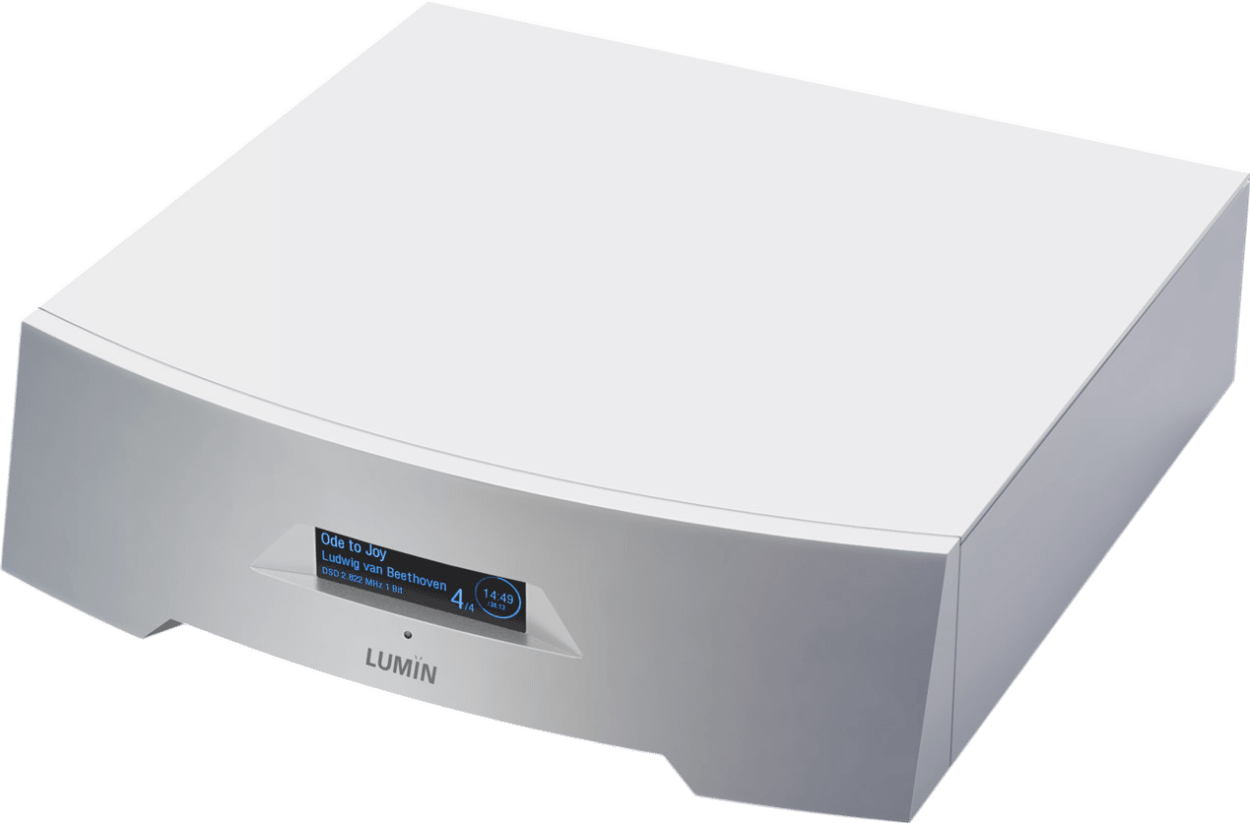
- Combines a network streamer, DAC, and preamplifier with digital and analog inputs, offering versatility
- Features Leedh Processing lossless volume control, which minimizes distortion and loss of resolution, maintaining sound quality even at high attenuation levels
- High-quality build with an aluminum chassis and a well-designed internal layout, including dual toroidal transformers and a Femto Clock System
- Has three HDMI inputs with 4k passthrough and ARC (Audio Return Channel), making it work as part of a multimedia system
Product Considerations
- Analog input signals are digitized because the P1's volume control operates in the digital domain
- The Lumin app is not as graphically compelling as Roon, nor is it as easy to navigate and manage a music library
- When the volume is set at '100' or the output level is set to 'fixed,' both Leedh and the conventional volume controls are bypassed
- It appears to have no discernible colorations of its own and delivers extremely high resolution, probably more than most systems will be able to realize
Comparisons (according to reviewers)
- Compared to the AURALiC Aries G1.1, the P1 delivers a considerably more realistic, musical, and engaging sound
- Compared to the Copland CSA 100 amplifier, the P1 is a more musical and competent sounding player with greater resolution, extension, dynamics, and ease
Takeaway: The Lumin P1 is a versatile network player, DAC, and preamplifier offering high-quality sound and a wide range of features. It delivers a powerful and immersive listening experience.
Video review
Our take on the brand
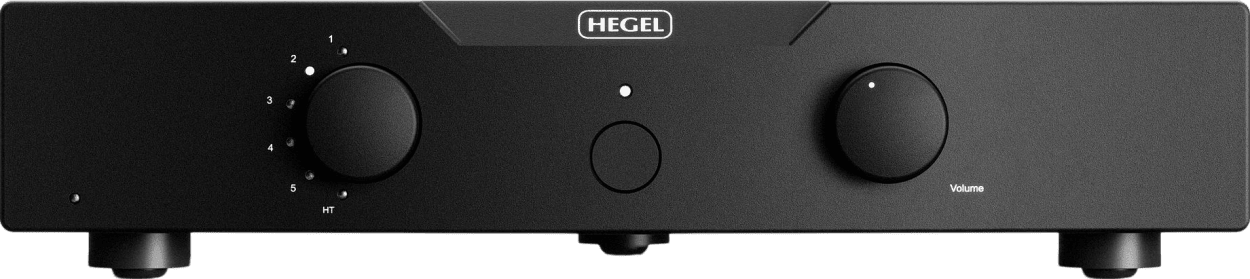

Our summary
Product Strengths
- Allows the music to play as intended, with transparency being a key attribute
- Offers excellent control, grip, and dynamic headroom
- Fully balanced design from input to output, maximizing performance with balanced sources
- Provides a very quiet background, improving separation and detail
- Very low noise floor, revealing a lot of detail without sounding analytical
Product Considerations
- The volume control lacks a digital readout
- Minimalist design with a basic remote that some may find lacking
- There are only two XLR inputs
- The simple lines may not appeal to those seeking a visually flashy product
Comparisons (according to reviewers)
- Compared to the Hegel H390, the P30A/H30A surpasses it, making the H390 sound inferior
- Compared to the Luxman M900U, the Hegel H30A exhibits greater soundstage depth
- Compared to the Constellation Revelation Series, the P30A/H30A revealed plenty of sonic information but didn't sound stilted or forced, though Constellation had "peer into the recording" transparency that the Hegel combo probably can't match
- Compared to older Hegel models, the newer models sound more extended and focused in the upper frequencies and are slightly warmer than neutral compared to the older versions' more apparent tilt toward warmth
Takeaway: The Hegel P30A is an excellent preamplifier that prioritizes transparency and control, letting the music shine through with exceptional detail and soundstage depth, and minimal coloration of its own. It ensures a clean, powerful, and natural presentation.
Video review
Our take on the brand
What competes at this price?
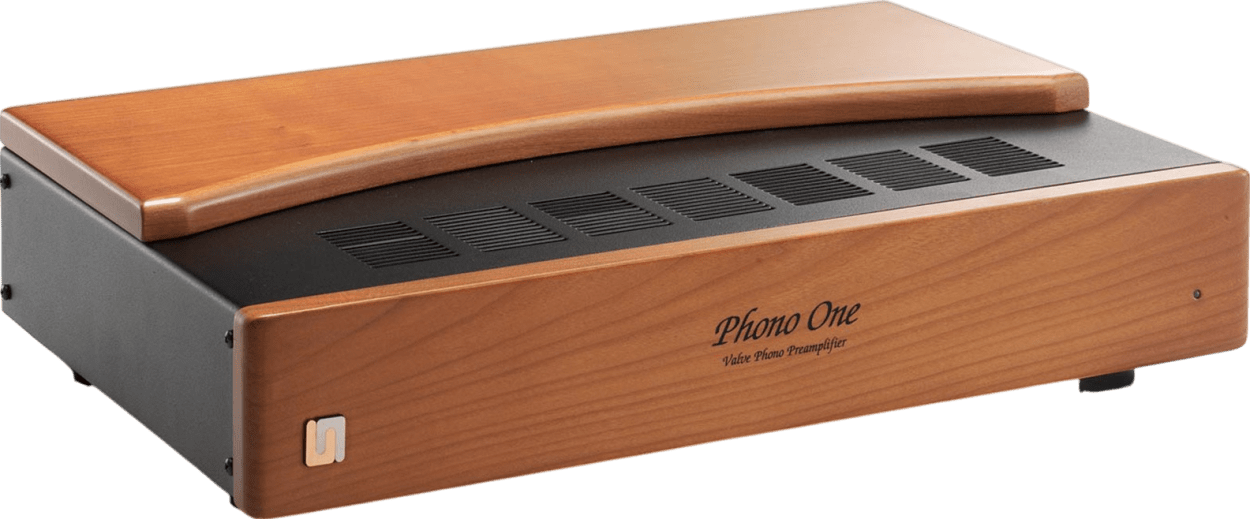

Our Summary
Product Strengths
- Great build quality with attractive cosmetics, featuring a black-powder-coated steel case, wood front panel, and sculptured wood accent
- An external power supply helps ensure low noise
- Flexibility with loading and matching cartridges
- The circuit layout offers better separation and interference rejection
- The interior circuit has an elastic suspension for less vibration
Product Considerations
- The noise floor can be exposed with extremely low-output MC cartridges
- The MM stage may sound better than the MC stage, or the MC cartridges may not have complete synergy with the product
Comparisons (according to reviewers)
- Vs Unison Research Simply Phono: The Phono One has more flexibility with loading and matching cartridges, better separation and interference rejection, and an interior circuit that has an elastic suspension for less vibration
Takeaway: The Phono One is an attractive, well-built phonostage with flexible cartridge loading options and an external power supply for low noise. It offers great sound and is a wonderful alternative to a standard black box.
Video review
Our take on the brand

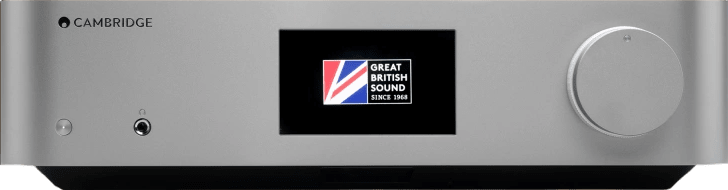

Our Summary
Product Strengths
- Exemplary build quality, with a visually pleasing design
- The StreamMagic app is well-made and capable, offering a good user experience
- Delivers music in an extremely lifelike manner, limited more by the source than its own limitations
- Offers a strong musical sense of rhythm across all inputs, contributing to a well-rounded performance
- Presents a clear, bold, and spacious presentation
Product Considerations
- The volume dial may be slightly loose
- Lacks a phono analog input
- The acceptance angle of the remote sensor is limited
- The USB has trouble with large music collections
- The high frequencies can be bright with the system
Comparisons (according to reviewers)
- Vs Musical Fidelity M8Xi: The M8Xi has more power output and exhibits more control over loudspeakers, but lacks the built-in streaming of the Edge NQ
- Vs Naim electronics: The Edge system is neutral, and not as warm as the Naim electronics
- Vs Gold Note DS-10: Provides a bigger soundstage and more detail
- Vs PS Audio DSD Jr: The Cambridge Audio Edge NQ and the PS Audio DSD Jr are sonically comparable, but the NQ delivers more precise lateral focus
Takeaway: The Cambridge Audio Edge NQ is a versatile, well-designed preamplifier and network streamer that delivers high-quality sound. It provides an enjoyable listening experience, making it a great choice for those seeking both performance and elegant aesthetics.
Video review
Our take on the brand
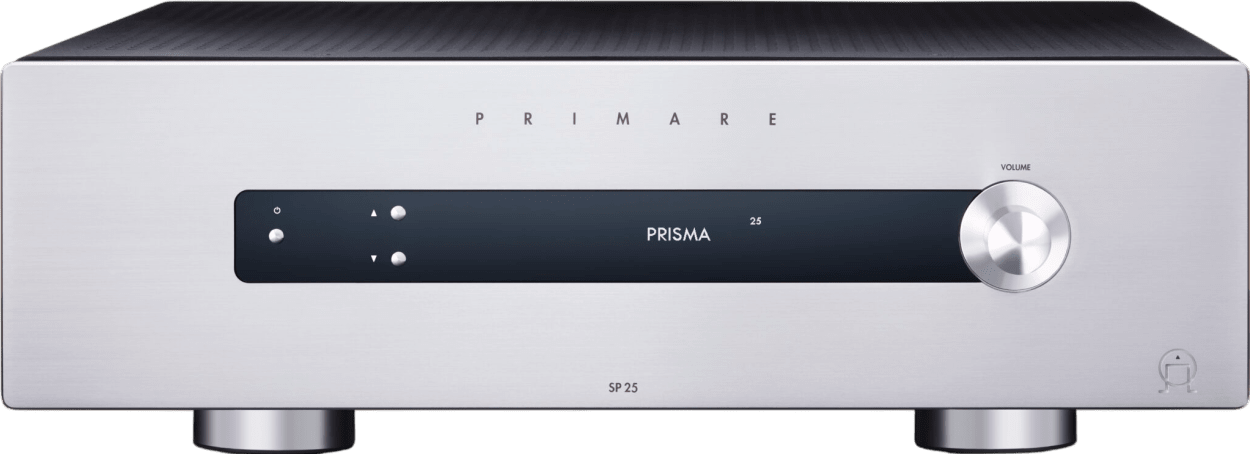

Our Summary
Product Strengths
- The SP25 Prisma includes 4K dynamic HDR switching and eARC
- Eleven channels of processing and preamplification
- Dual eight channel DAC chips allow for unique digital to analogue conversion, allocating four channels of conversion when delivering signal to the pair of front left and right analogue outputs
- Versatile, with single ended analog inputs, USB, coaxial and optical digital inputs, and HDMI inputs
- Prisma streamer, wired and wireless
Product Considerations
- Good surround sound gets expensive fast
- Operation and setup can be complex
Comparisons (according to reviewers)
- The SP25 Prisma lacks the power amplifiers of the SPA25 Prisma, making it only an AV processor or preamplifier
Takeaway: The SP25 Prisma is designed for cinephiles and audiophiles. It provides the best home cinema experience with carefully considered features and functionality.
Video review
Our take on the brand

Our Summary
Product Strengths
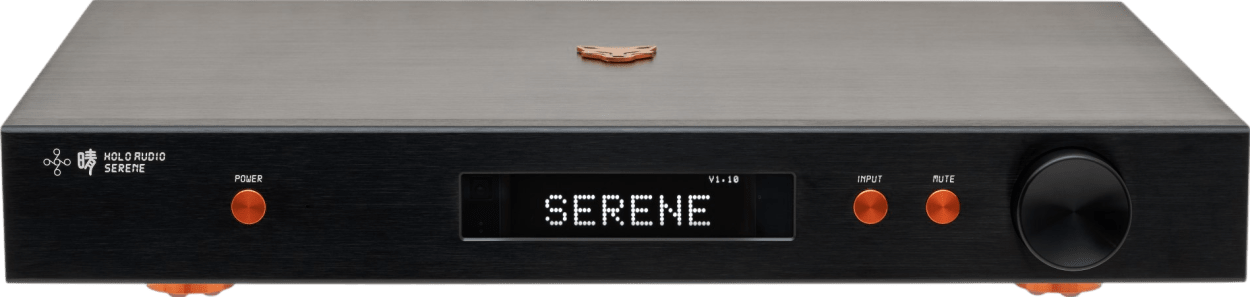
- Highly detailed, clear, and clean sound with musicality, but without sterility
- The KTE version includes a beautiful aluminum remote
- Truth, neutrality, and accuracy, making it fun to listen to music
- Enhanced spatial presentation, adding force and rhythmic nuance
- First class build quality
- It does not have a built-in DAC or phono preamp
Product Considerations
- The buttons on the remote are a bit loose
- It is not possible to directly select inputs, it is necessary to click through
Comparisons (according to reviewers)
- Compared to ModWright LS-99, the Serene KTE is more accurate and neutral, while the ModWright LS-99 is juicier
- Compared to Linear Tube Audio MicroZOTL, the Linear Tube Audio MicroZOTL added more midrange warmth and flavor
Takeaway: The Serene is a preamplifier that offers a clean and neutral sound, and it is excellent for those who want to hear the sound of other components without coloration. It is built with high-quality components.
Video review
Our take on the brand

Our Summary
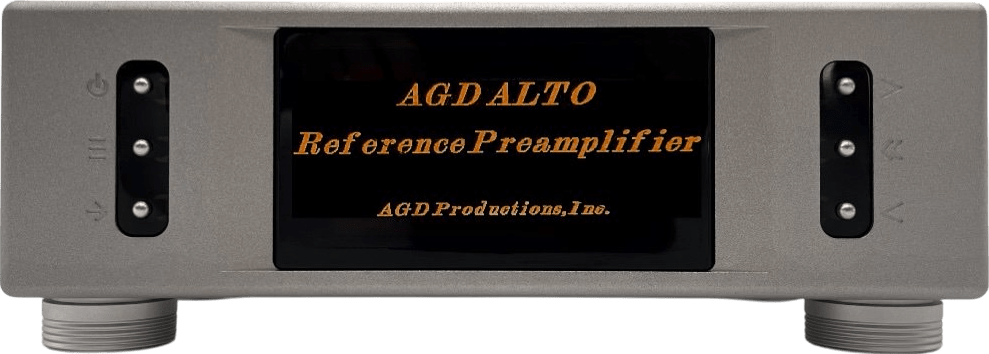
Product Strengths
- Fully balanced design provides less noise and coloration to the sound.
- Supports both moving magnet (MM) and moving coil (MC) phono cartridges with a high-performance phono stage.
- Passive ladder volume control with precision resistors provides superior channel separation, low distortion, and high signal integrity.
- Superior noise performance and extended bandwidth, with a very low THD+N and wide frequency response.
- Large, high-resolution display is visible from a distance
Product Considerations
- Limited features for its price, lacking an internal DAC, room correction, or bass management.
- Small, non-standard form factor might not match other hifi equipment aesthetically.
- Limited to one balanced input and one balanced output.
- Reviewers noted a chintzy plastic remote that needs to be synced.
- Sensitive to cable changes and may exhibit high-frequency noise if XLR cables are not connected
Comparisons (according to reviewers)
- The Alto was equal in sonic performance to the Amped America AAP-1, but the AAP-1 has dead-neutral tonality.
- There is not a lot missing between the Alto and the Bricasti Design M20 preamplifier in terms of sound, but at a little more than double the price, the Bricasti Design M20 had better dynamics and ultra-fine resolution.
- Both the Alto and the Pass Labs XP-12 stereo preamp are very high-end stereo preamps that do just that—do what they say on the box.
- Trilogy's set emerged rounder, bloomier, more massive, and atmospheric against the quick snappy team AGD that prioritized dynamics, outlines, clarity, and had its spatial projections sensibly more oxygenated.
- The Alto is like the Anthem without the DAC and streamer.
Takeaway: The Alto preamplifier is well-engineered to provide clean, high-quality sound, and it's a good choice for audiophiles who prioritize core preamp functions. It offers great performance for vinyl and digital sources when additional features aren't needed.
Video review
Our take on the brand
How to buy
Preamplifiers
Search all hifi products
Explore our database of 10,000+ new and 25,000+ used hifi products.