

.png)



Note that this is a discontinued product. You may want to visit the brand's page here to browse their newer products.
What reviewers think
Bloggers and YouTubers have tried this product—so we've summarized their strongest opinions below. Links to full reviews follow.
Product Strengths
- Intensifies and stimulates audio senses with its musical color
- High build quality, comparable to elite brands
- Employs only three active gain stages, contributing to clarity and purity of sound
- Transformer attenuator provides open, transparent sound
- Unique 'bridged single-ended' output stage biased in Class A—creates an immediate, direct emotional connection
Product Considerations
- Input symbols on the rear and functions on the remote are difficult to read in low light
- Always muted when switched on, requiring manual unmuting
Comparisons (according to reviewers)
- Vs Vitus Audio SIA-25: The Ypsilon Phaethon matches its low-level resolving power and tonal character, but exceeds it in dynamic slam, bass timbre and stage dimensionality
- The Ypsilon Phaethon has heightened timbral naturalism compared to Pass Labs INT-250
Takeaway: The Ypsilon Phaethon is an integrated amplifier that delivers exceptional sound quality and makes a profound musical connection. It stands out for its unique design and ability to involve the listener in the music, making it a worthwhile choice for serious audiophiles.
All
Phaethon
reviews


Manufacturer details
- Output Power: 110Wrms @ 8 ohm, 180Wrmss @4 ohm
- Bandwidth: 11Hz -75Khz -3db
- Output Impedance: 0.5ohm
- Input Impedance: 47 Kohm
- Gain: X60
- Inputs: 3 RCA +1 XLR unbalanced
- Power Consumption: 125W @ idle
- Dimensions (W x H x D): 400x185x425 mm
- Weight: 35 Kgr
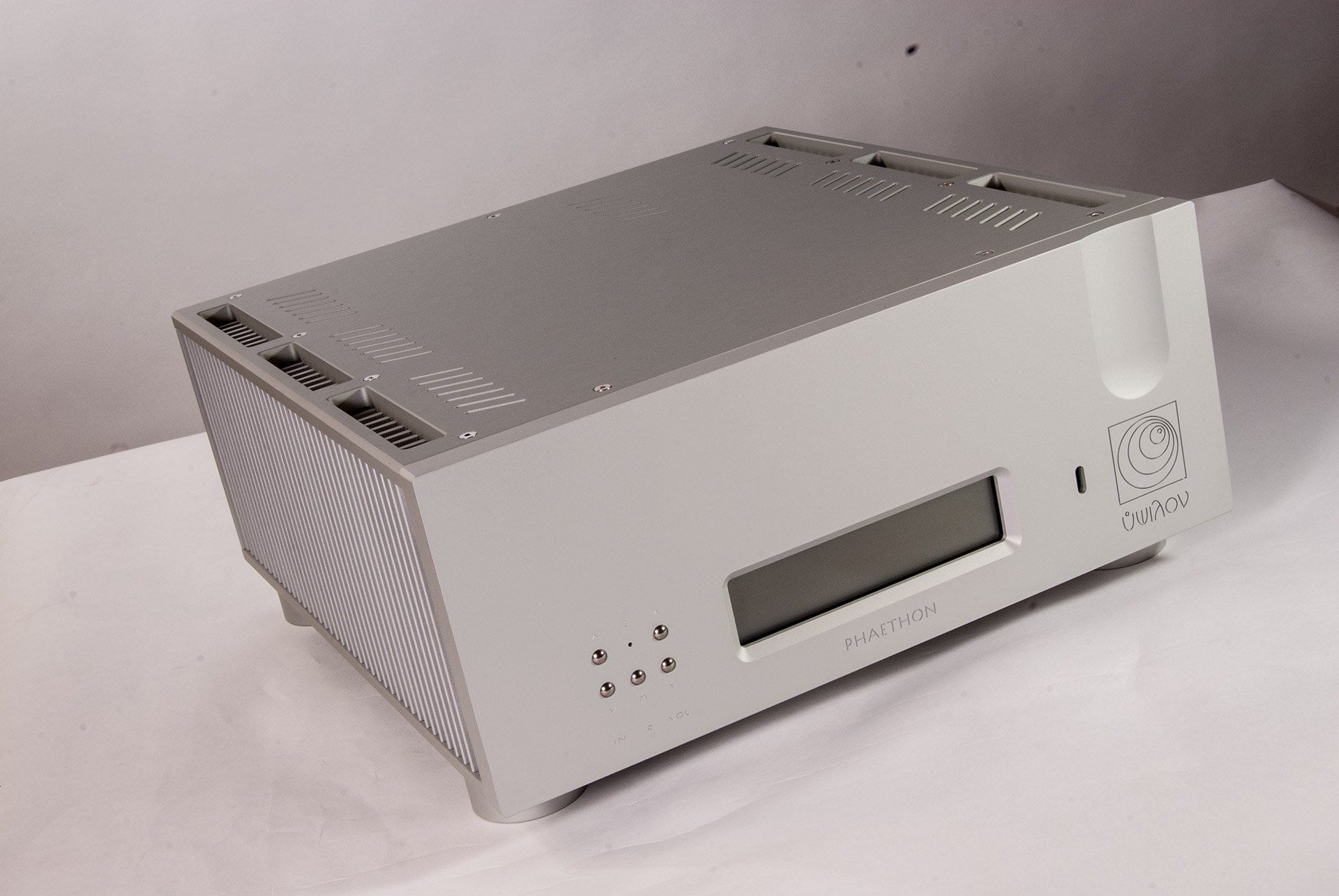
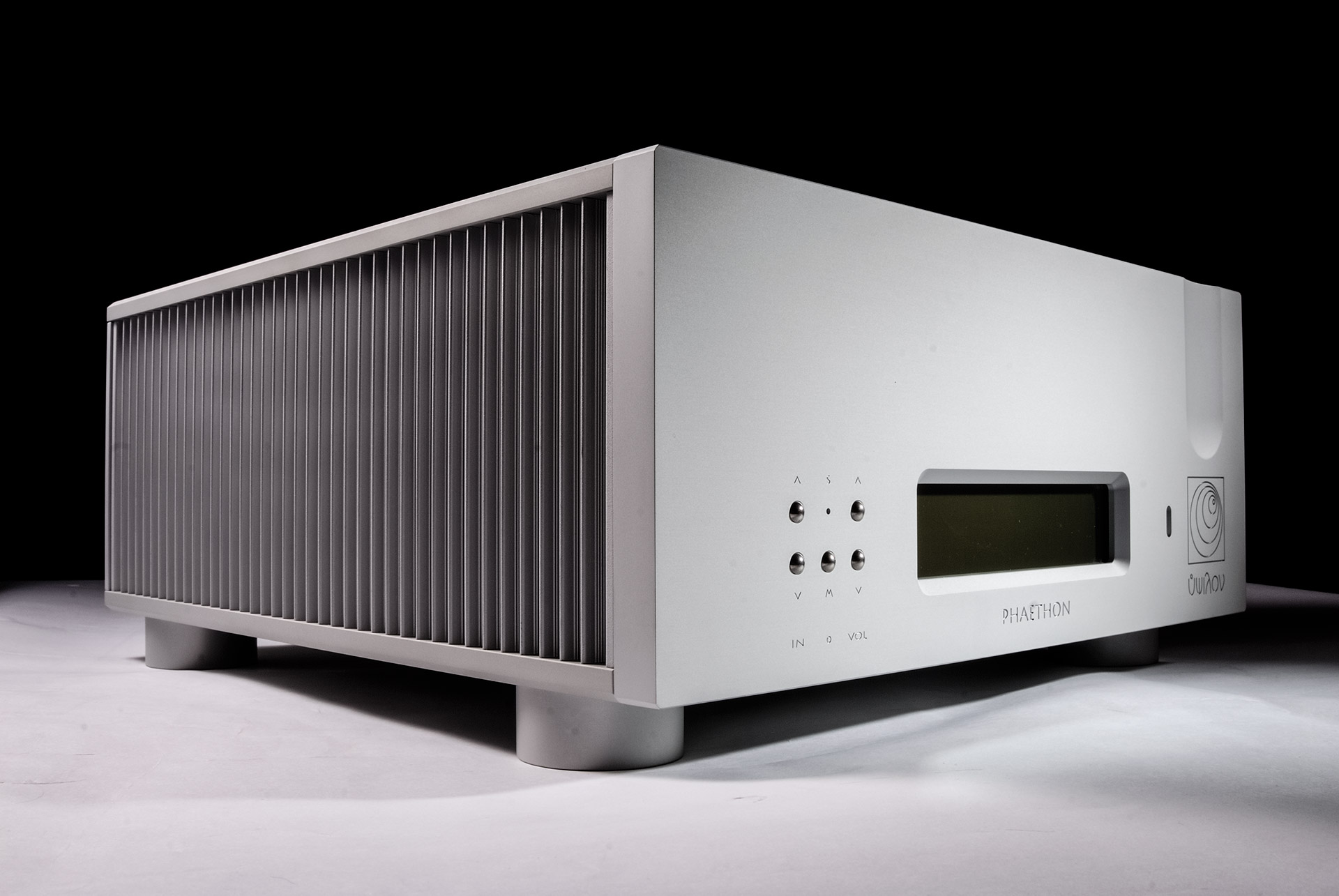
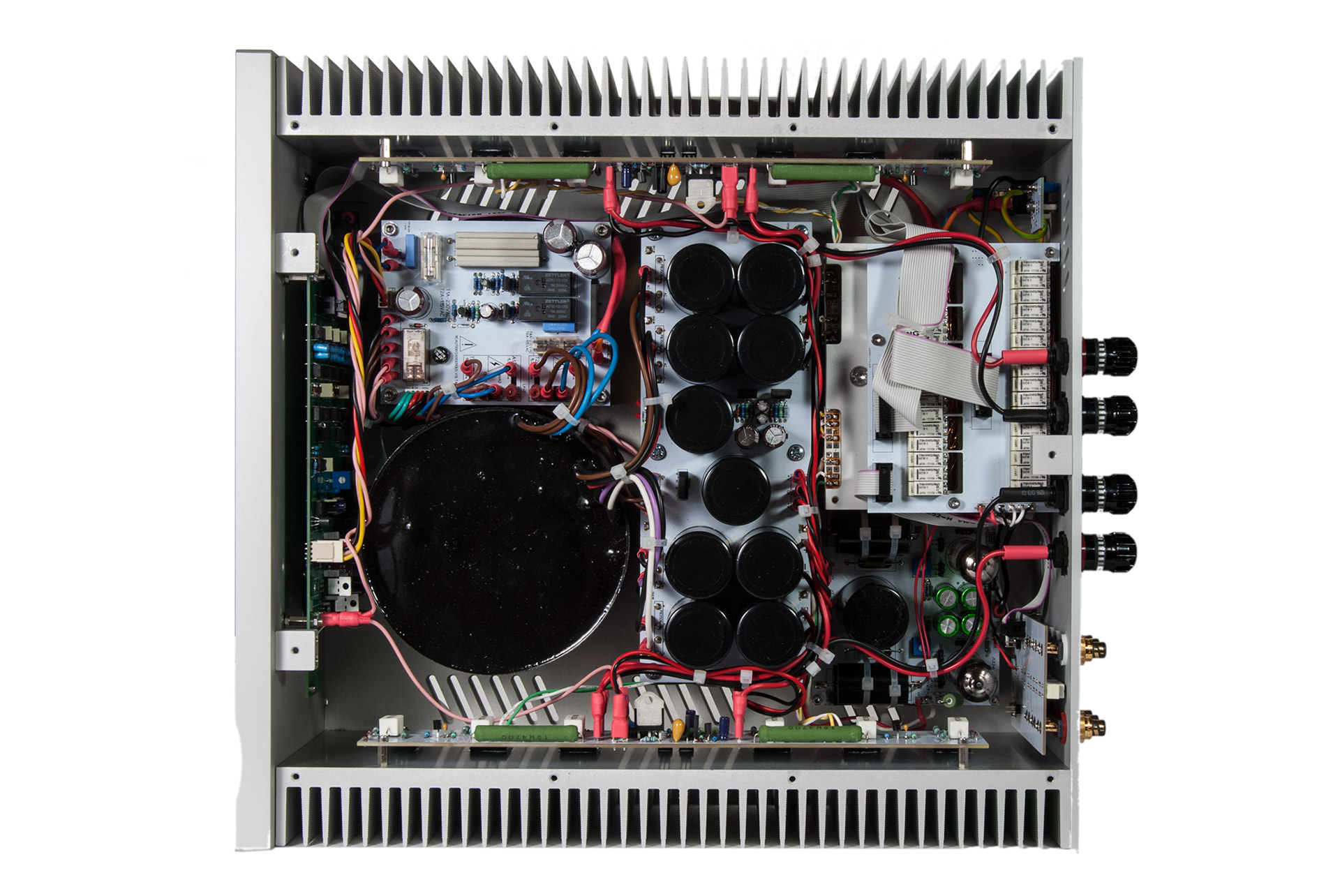
Phaethon is a hybrid line level amplifier utilizing only three active gain stages two of them with low noise valves operating in single-ended class A fashion, for the input and driver stage. It uses a transformer attenuator build in-house, embedded in the preamplifier section in a novel post attenuation technique.
The tube driver stage is coupled to the output stage with a wide bandwidth inter-stage transformer that provides perfect phase splitting for the output stage. The output stage combined by same polarity semiconductors for both phases in a "balanced single-ended architecture" offers the flavor of pure single-ended designs with the power of push-pull designs.
There are separate power supplies for the tube and output stage utilizing five power supply inductors for low noise filtering. All these were designed in to one to operate in unison offering unmatched sound quality, making the platform of the integrated amplifier, a clear advantage.
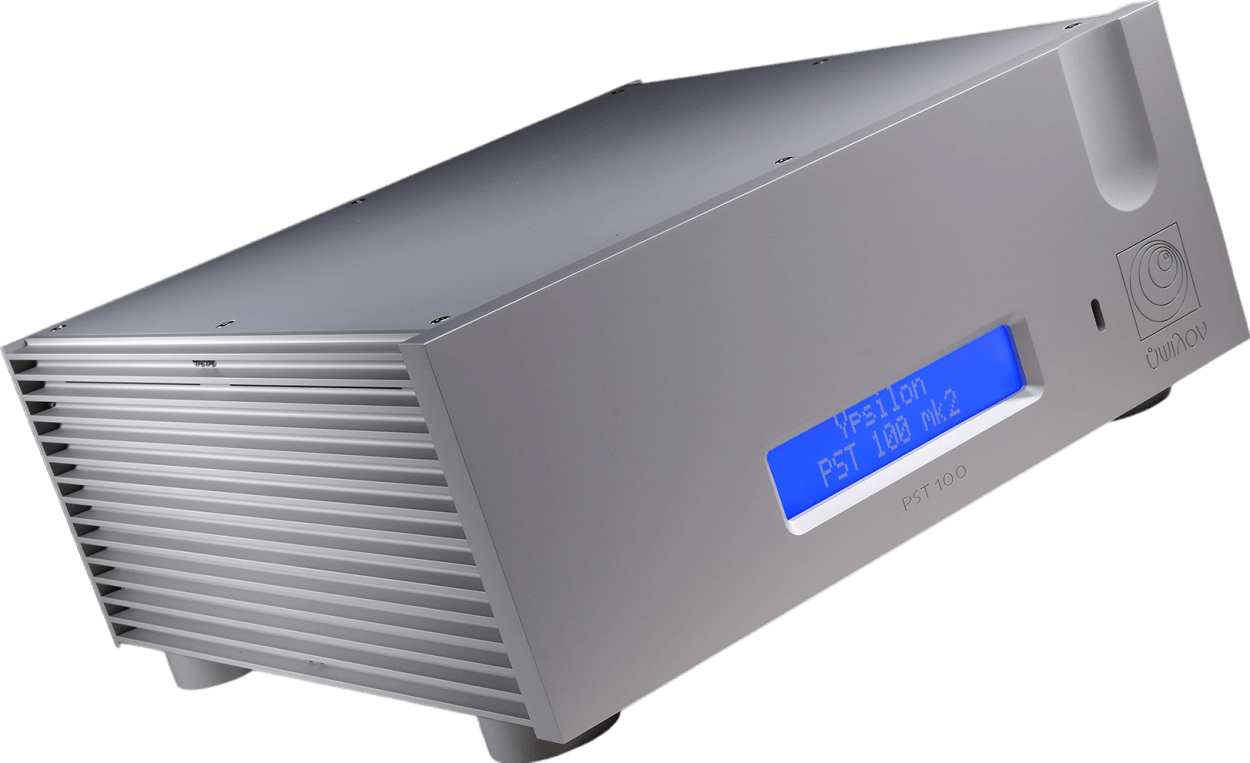
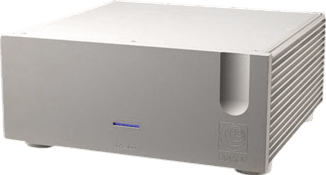
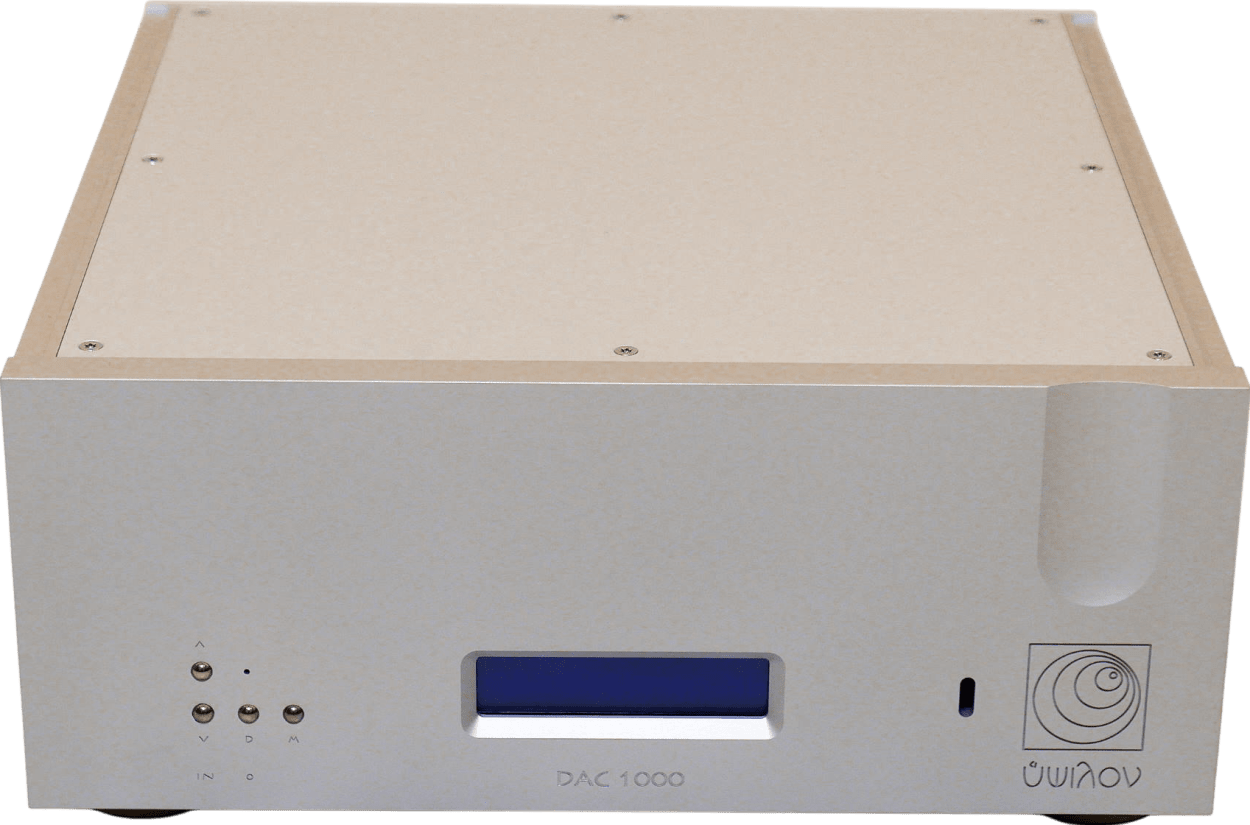
All functions are remote controlled and are visible through a high quality LCD display with large characters so it can be read from across the room. Phaethon features transparent sounding transformer attenuator only three gain...



Brand highlights
Taking a step back to look at reviewers' thoughts of the brand's entire lineup—not just this product—what stands out most is the following:
- A core tenet of Ypsilon's design approach is the utilization of custom-wound, in-house manufactured transformers for critical functions like signal attenuation, inter-stage coupling, and power supplies, allowing for precise control over the sonic characteristics.
- Ypsilon often employs hybrid circuit topologies, blending tubes in input and driver stages with MOSFETs in the output stage, aiming to achieve a balance of sonic purity and power.
- A distinguishing feature of Ypsilon preamplifiers is their transformer-based volume control, eschewing traditional resistor-based attenuators in favor of a custom-designed transformer attenuator with multiple taps for precise and transparent volume adjustment.
Select products
Phaethon
- Positioning: A high-end integrated amplifier combining features from monoblock and preamplifier designs.
- Description: Offers a hybrid design with a "bridged single-ended" output stage, providing the warmth of single-ended designs with the power of push-pull configurations. It is ideal for users seeking a compact solution with high-end sound quality, suitable for medium-sized rooms and those who value remote control functionality. Compared to the Hyperion and Aelius, it is more compact and integrates preamplifier features, making it a versatile choice for those with moderate budgets.
Aelius II Monoblock
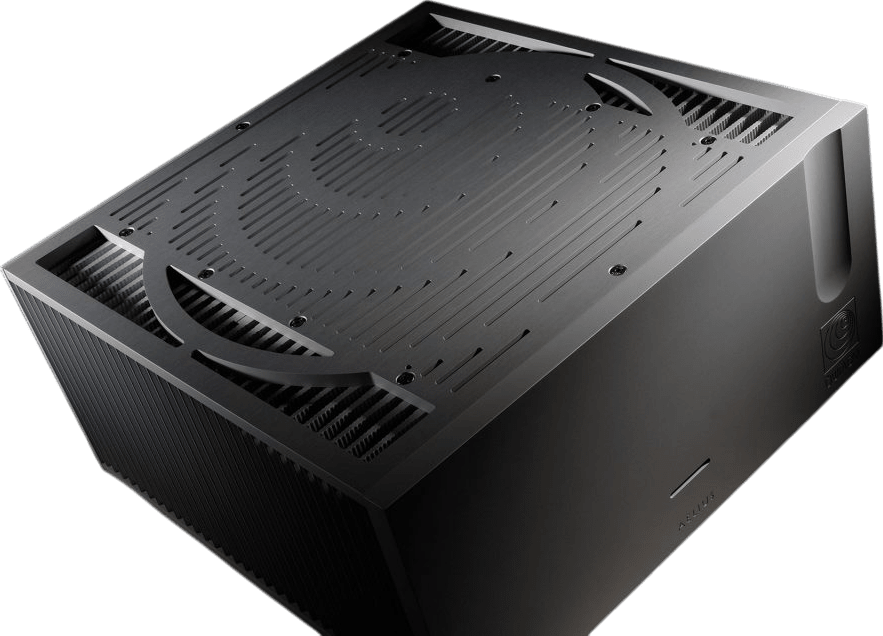
- Positioning: A high-power monoblock amplifier designed for transparency and musical involvement.
- Description: Features a push-pull hybrid design with a wide bandwidth transformer, ensuring excellent transparency and control over speakers. Compared to the Hyperion, it offers a more refined sound with a focus on musical involvement.
SET 100 Ultimate
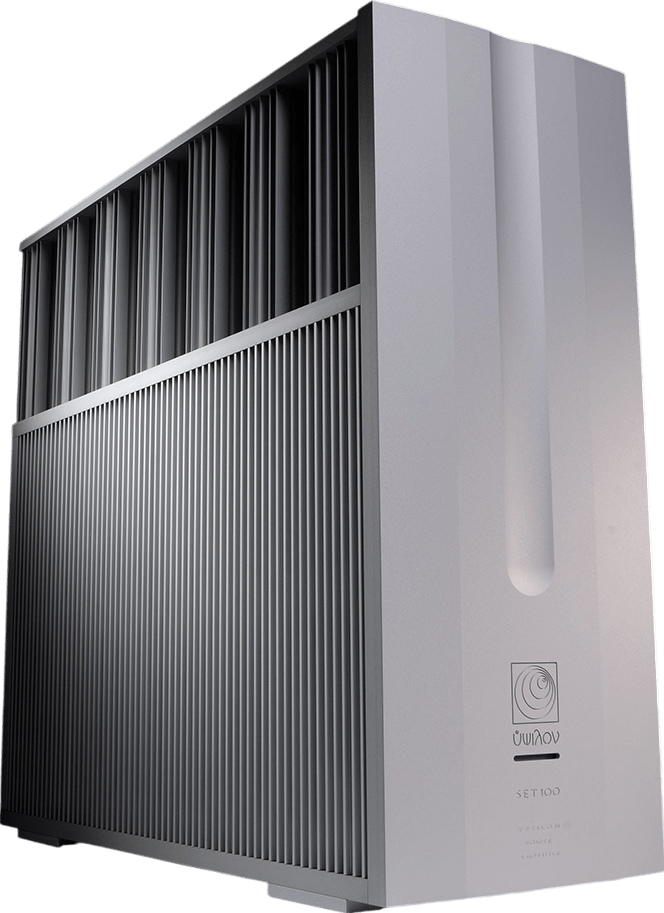
- Positioning: A flagship single-ended class A hybrid amplifier with exceptional detail and natural sound.
- Description: Combines the midrange qualities of small S.E.T amplifiers with exceptional detail and scale, using a unique s-e mosfet output stage. Compared to the Aelius and Hyperion, it offers a more direct and three-dimensional sound.
Hyperion
- Positioning: A high-power hybrid monoblock amplifier with a focus on dynamics and transparency.
- Description: Delivers over 370W of power with a "balanced-single-ended" output stage, offering effortless drive and dynamics. Compared to the Aelius and SET 100, it provides a more powerful output.

Our take on the brand
Look inside the brand
Our interview with the brand
What are two key technological innovations or strong opinions that differ you from other brands?
What's your approach to customer support?
What are your favorite tracks for showcasing the strength of your products?
What other products pair best with yours?

Used
Ypsilon
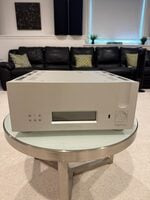







What if you spend more?


The Signature series is a significant step above the Passion series. The entire signal path utilizes Duelund’s select CAST coupling capacitors together with Echole’s Orius cabling. Critical parts of the power section and signal path utilize other custom components such as proprietary Silver/Gold/Palladium signal path on the PCB and matched Amtrans AMRG resistors to name a few

.svg)
Our summary
Product Strengths
- Preserves the sonic signature of tube electronics, while being able to drive a wider range of loudspeakers
- Has astonishing liquidity of timbre, and is utterly grain-free
- Projects a sense of presence that sounds very much like the best SET amplifiers
- Creates a directness of musical expression, fostering an intimacy with the music and performers
- Produces a very warm midrange, and sweet top end
Product Considerations
- Treble was less bright, and open than that of many other amplifiers
- Favors warmth, fullness, and texture in the bass rather than slam and extension
- May not be the most resolving amplifier for the money
Comparisons (according to reviewers)
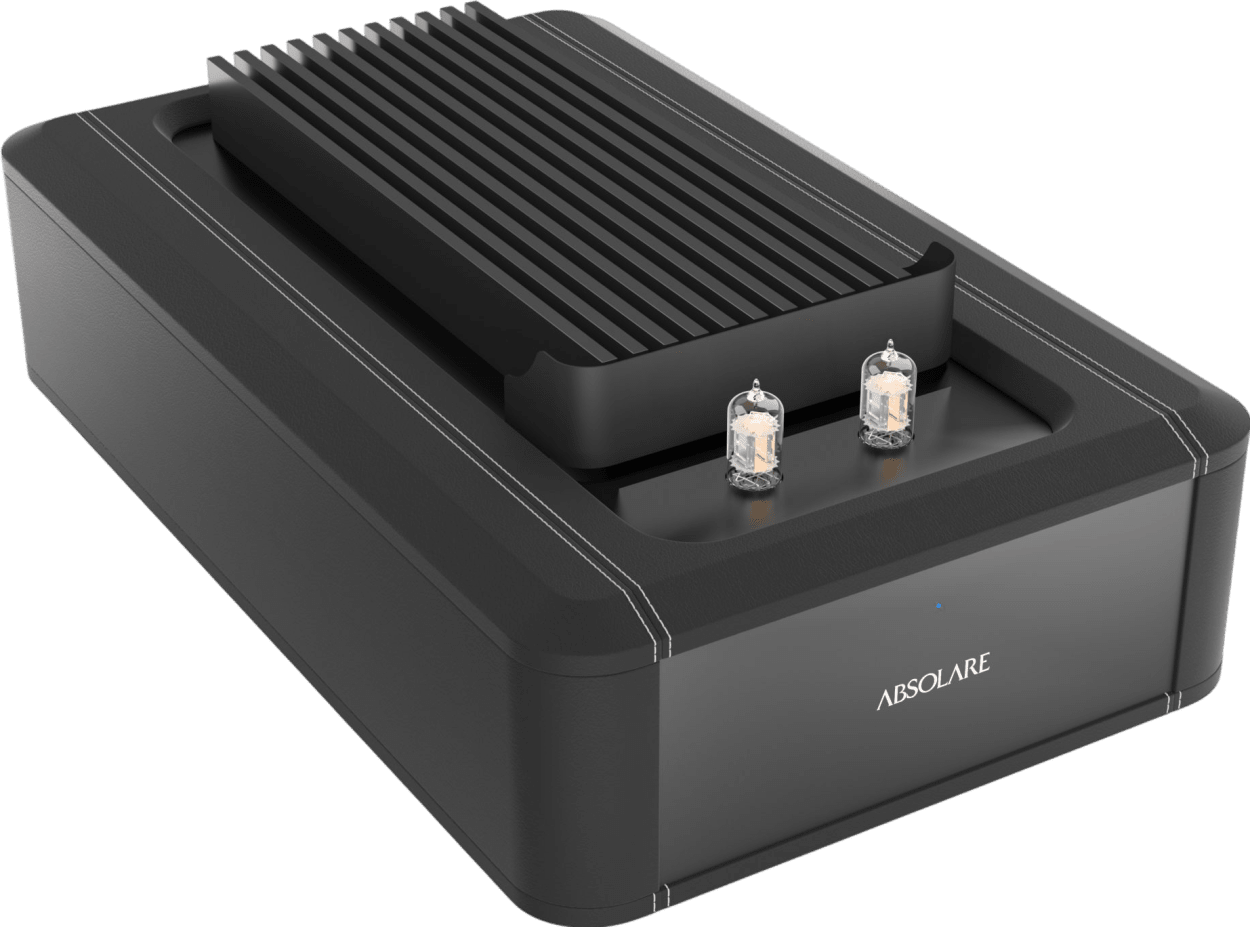
- The Absolare Hybrid sounded remarkably like the Passion 845 SET, but with deeper bass extension and greater dynamic authority
Takeaway: The Absolare Hybrid Stereo amplifier delivers the emotion of music like an SET amplifier, with the ability to drive a wide variety of loudspeakers. It creates a deep connection with musical meaning.
Video review
Our take on the brand

Product Strengths
- Proprietary noise-control techniques using dither circuits, Active coils, and Tesla coils improve perceived blackness in music
- A 'natural-based composite material' for the chassis aims to reduce influences from mechanical resonance
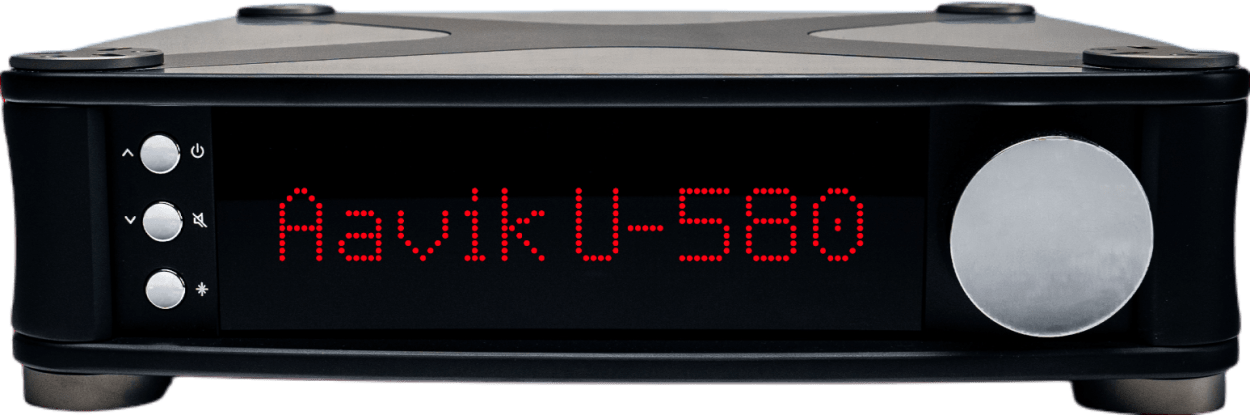
- A large LED-Matrix display is easy to read from a distance
- A weighty and solid rotary volume dial offers a perfect speed of adjustment
- Input switching is not straightforward, requiring use of a navigate button and rotation of the volume dial
Product Considerations
- Menu navigation is cumbersome, requiring toggling through all items or using the remote control to exit
- The U180 is described as technically correct but not hugely emotional or lyrical, with a darker sound
Takeaway: The Aavik U-series integrated amplifiers offer unique noise-reduction technology and a distinctive design, which could be a great addition to an audiophile's set-up. The amplifier's overall operation is straightforward, and it responds very quickly to all commands.
Video review
Our take on the brand
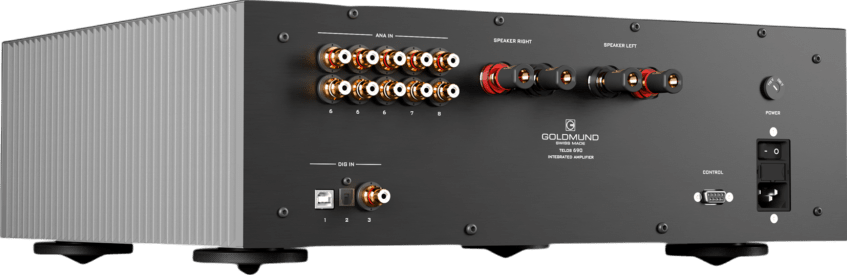

At the forefront of its design, the Telos 690 addresses the evolving needs of today’s consumers. With an array of digital connectivity options, including USB Audio Class 2.0 interface supporting sample rates up to 384 kHz and a bit depth of 32, as well as Toslink Optical and Digital S/PDIF coaxial inputs, this amplifier effortlessly bridges the gap between traditional high-fidelity audio and modern digital sources.
Product Strengths
- Impeccably clean and precise presentation
- Excellent detail resolution
- Sonic agility and dynamic expression
- Good digital module
- Terrific build quality using 12mm thick aluminum alloy panels
Product Considerations
- No phono stage or headphone output
- No indication of the incoming digital signal resolution
- Requires a very solid, high-mass support to work best
- The amplifier's overall character does still veer slightly towards the dry side—particularly at high frequencies
- At this level, balanced connections were expected, but Goldmund hasn't specified them
Comparisons (according to reviewers)
- The soundstage doesn't match the airy spaciousness of the Burmester pre/power
Takeaway: The Goldmund Telos 690 is a highly capable amplifier, known for its clean, detailed sound and dynamic expression. It is a great choice for those who appreciate dissecting recordings and value exceptional build quality.
Video review
Our take on the brand

Our summary
Product Strengths
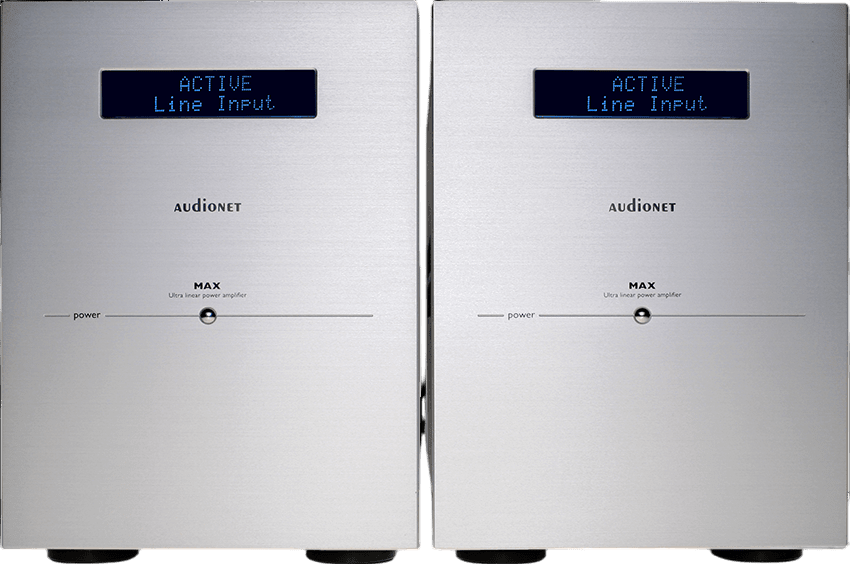
- Ample power with minimal distortion
- Audionet's ULA (Ultra-Linear-Amplifier) technology, originally developed for medical engineering
- Impressive dynamic prowess and the ability to plumb the hidden depths of CDs and LPs
- Subtle musical and instrumental details come through cleanly and coherently, without compromising life-likeness of tone colors and harmonic expression
- Exceptional bass reproduction, with a rich, detailed, and uniform low end
Product Considerations
- Positive and negative speaker terminals are close together, requiring caution when connecting speaker cables
- Balanced input use involves an op-amp, which some believe impacts sound quality, single-ended inputs are preferred by some
- A preamp should be used to get the best sound from these amplifiers
- Display text changes locations randomly, which some may find distracting
Comparisons (according to reviewers)
- The Burmester sounded cleaner, airier, and more revealing, but could not quite compete with the AMP II MAX in authority over the bass frequencies and in blackness of the background
- The Pass Labs was tonally rich and pleasurably soft, plus the amp gave an extraordinarily punchy presentation, in that it bettered the performance of the AMP II MAXes, on the other hand, it was rather general in the organization of the soundstage and the background wasn't quite as black as with the AMP II MAXes
- Plinius shone in resolution, as well as delivered exceptionally dimensional soundstage and very neutral overall sound, especially in Class A mode, however, it did not have the same punch as the AMP II MAXes, and the sound wasn't equally gentle
- The McIntosh MC-501 delivered a richer and warmer sound, but with less power and extension than the AMP II MAX
Takeaway: The Audionet Max monoblocks offer a powerful and refined listening experience, making music sound engaging and detailed. Their ability to control speakers and reveal nuances in recordings makes them a great choice for serious audiophiles.
Video review
Our take on the brand
What competes at this price?
.png)
Our Summary
Product Strengths
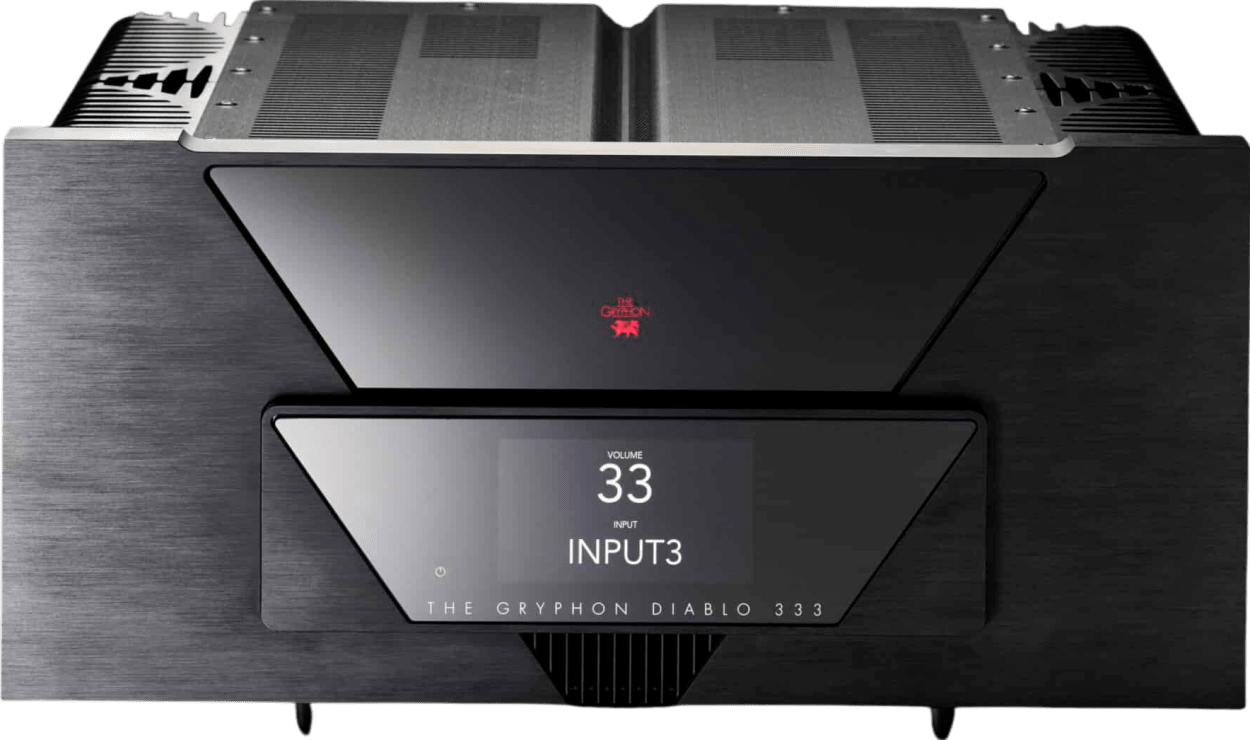
- Exceptional bass control, power, speed, and definition provides a bedrock foundation for the music
- Wide and deep soundstage with precise imaging
- Dead-neutral tonal balance with grain-free clarity, effortless speed, and precision
- Life-like dynamic expression and detail resolution, sounding exquisitely lifelike
- Lively, energetic sound combined with pleasing harmonics, warmth, and a kind of lusciousness achieves a nice balance
Product Considerations
- The binding posts are located low on the rear panel, which might be problematic for some installations
- It gets hot, requiring adequate ventilation
- It's a heavy unit, making it difficult to move and set up
- The cost is very high, making it exclusive-level hifi
- The speaker spiked feet can make it difficult to position the amplifier
Comparisons (according to reviewers)
- Vs Diablo 300, the Diablo 333 gives more music and musical information, developing the soundstage with harmonic information, knitting all the individual parts together; the music becomes less about individual things and more about the whole
- Strong resemblance to the Apex Commander combination, but at a fraction of the cost
- While the Antileon digs deeper and presents a fuller presentation across the low frequencies, the Diablo 333 slams harder and slightly tighter
Takeaway: The Gryphon Diablo 333 is a powerhouse integrated amplifier that combines exceptional power and control with refined sound and detailed musicality making it one of the very best amplifiers, be it integrated or not. Its versatility and musical soul make it a solid choice for anyone looking for an end-game component.
Video review
Our take on the brand


Our Summary
Product Strengths
- Music is delivered without perturbation, showcasing a 'grip' on the music
- A beautiful sonic palette is present, with a warm, detailed bass and very smooth, detailed highs
- Understated approach to music replay is pure and precise, without coarseness or grain
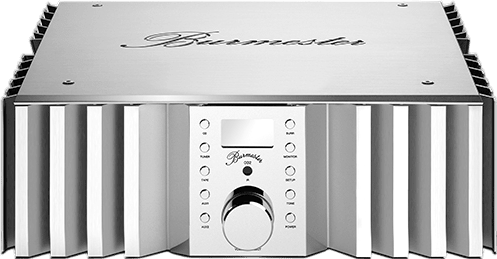
- Fabulously well made, with impressive build and finish
- Volume control has a hefty, well-damped but very precise feel to it, and the amplifier's on-board software is quick to respond
Product Considerations
- The headphone output is hidden on the rear panel, making it inconvenient to connect
- Large and heavy (around 40kg), requiring sturdy equipment support and assistance when unpacking
- The combination of heatsinks all-round and reflective chrome front panel may not be to all tastes
- Highly transparent sources and speakers are required to get the best performance
Takeaway: The Burmester 032 integrated amplifier sounds exceptional with refined sound and impressive insight. If the system is talented, this amplifier could be a great match.
Video review
Our take on the brand

Our Summary
Product Strengths
- Very low noise floor creates a wide open and clear soundstage with excellent space between each musical element
- Delivers subtle intricate details of music, the decays, and the harmonics
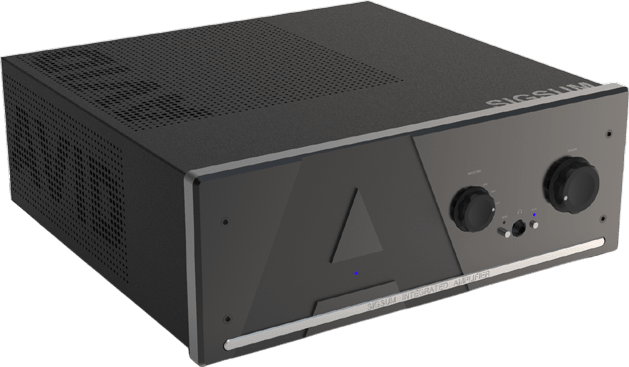
- The built-in phono stage—the Pulsus—provides a clear and clean sound, allowing for a more open and see-through soundstage
- The ALPS RK50 volume knob is satisfying to adjust with its stiff—yet smooth—resistance
- The unit is handmade in the UK
Product Considerations
- Limited number of inputs may not be sufficient for all users
- Lacks a remote control, which may be inconvenient for some users
- Awkward access to the underside cartridge adjustment for gain, resistance, and capacitance may be annoying to adjust
- May emphasize upper vocals, which may not be ideal for all types of music, especially at louder volumes
- The mid/upper bass may be a little shy, lacking the solidity, impact, and warmth that some listeners prefer
Comparisons (according to reviewers)
- The NAD M23 has a bolder, stronger, and punchier bass compared to the Sigsum
- The McIntosh sounds more powerful, solid, secure, and full in terms of tone—and bigger overall—compared to the Sigsum
- The Pulsus phono stage sounds clearer and cleaner than the Avid Pellar phono stage, but the Pellar sounds fuller and thicker
Takeaway: The Avid SigSum is a specialized amplifier that is designed for the audiophile who values the preservation of detail, particularly from vinyl playback. It's a great amplifier to highlight the nuances of music, while offering a clean and precise sound.
Video review
Our take on the brand
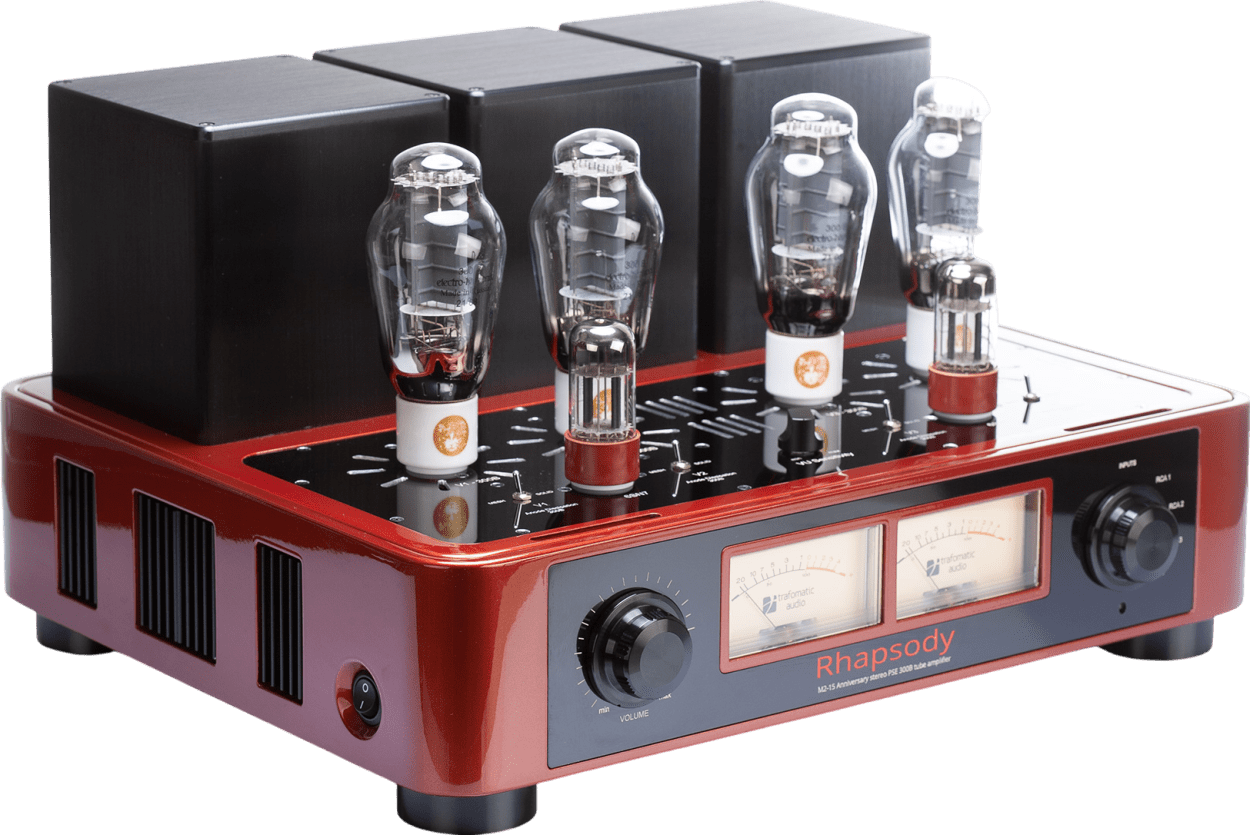

Our Summary
Product Strengths
- Delivers a 'silky sheen' characteristic of SET designs, which helps to prevent listener fatigue
- Offers a 'room-filling, full-blown' sound, especially with orchestral music
- The Trafomatic Audio Rhapsody presents an 'expressive' and 'real' dynamic range, creating a live musical experience
- Has an innate sense of melody that draws you into the musical mix, and an over-arching sense of sonic accuracy
- Features auto-biasing and toggles for 'Mesh' and 'Solid' 300B tubes, for enthusiasts who wish to try different valves
Product Considerations
- Limited wattage may restrict loudspeaker choices, requiring pairing with high-sensitivity models
- Bass frequencies exhibit higher distortion at lower power outputs
- The amplifier's modest S/N ratio suggests some mild background hiss may be audible
- Bright red chassis is a fixed color scheme, which may not appeal to everyone
- Reviews of the Rhapsody should be judged as very specific amplifier/speaker combos
Takeaway: The Trafomatic Rhapsody is a class act that draws attention to itself purely through its vivid and real sound. It plays music in such a way that one might never want to listen to anything else.
Video review
Our take on the brand
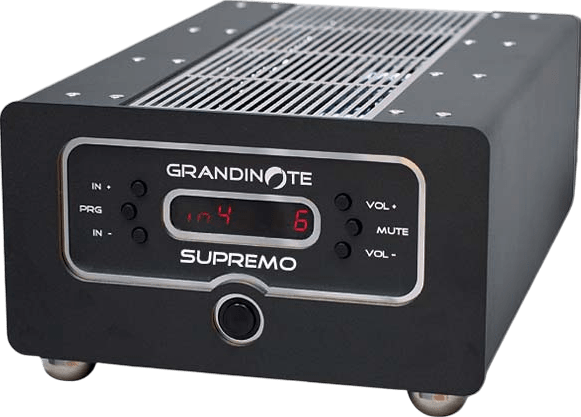

Our Summary
Product Strengths
- Offers superb resolution, transparency, and clarity for a staggering performance.
- Visceral and well-controlled bass, extending deep into the range.
- Extremely fast, clean, and exceptionally resolving sound.
- Delivers even more visceral low tones that, with most speakers, will be perfectly controlled and tight.
- Better clarity of the treble, and yet there is no hint of harshness or aggressiveness.
Product Considerations
- Requires a truly balanced source; RCA/XLR adapters will heavily distort the sound.
- Gets quite hot, so remember about space around the device for proper ventilation.
- The depth of the chassis is the largest dimension, so you need quite a deep rack/stand/platform to fit it on.
- Input sockets are set from top to bottom in one channel (numbers 1-4), and in the other channel the other way around (numbers 4-1).
- Revealing amplifier, so everything in the audio chain has to be well-ordered and refined.
Comparisons (according to reviewers)
- Vs GrandiNote Shinai: Supremo is more resolving, precise, transparent, and revealing, with better clarity in the treble and more visceral low tones.
- Vs GrandiNote Shinai: Shinai sounds a bit sweeter, more romantic, more tube-like—delivering the most beautiful side of music.
- Vs GrandiNote Essenza: The difference between Supremo and Essenza is more significant than between Essenza and Shinai.
Takeaway: The GrandiNote Supremo is a versatile, high-end integrated amplifier that brings out the best in your music with its superb clarity, resolution, and dynamic sound. It offers an immersive and thrilling listening experience for demanding audiophiles.
Video review
Our take on the brand
Questions? Ask the brand's dealers.
How to buy
Amplifiers
Search all hifi products
Explore our database of 10,000+ new and 25,000+ used hifi products.