

Welcome
High-wattage amplifiers combine massive power delivery with substantial capacitance banks to handle music's demanding dynamics. Their oversized transformers and high-capacitance power supplies work together as electrical reservoirs – while raw wattage provides the muscle, it's the capacitors that ensure instant current delivery during explosive peaks that can demand several times the average power level.
Quality high-power amps aren't cheap, but their sophisticated engineering pays dividends: large capacitor banks for dynamic headroom, massive heatsinks for thermal management, and premium output devices that maintain linearity at high currents.
Think of them as insurance against limitations—the combination of high wattage and high capacitance means they can maintain composure during complex passages that would push lesser amps into clipping.
What to look for when choosing an amp


So you want to buy a new amplifier, but you are not sure what you should pay attention to. At ExtremeHiFi, we have the world's largest database for audio products. Here is a brief overview of the most important functions and design aspects that distinguish amplifiers and that you should pay attention to.
The first and most important aspect of an amplifier is how much power it has. Can it actually drive your speakers? The easiest way to check this is to look at what the manufacturer recommends for your speakers. At ExtremeHiFi, you can see the recommended performance in the specifications section and ask your manufacturer if they don't provide this information.
Certain types of speakers, such as horns, are often much more sensitive and in many cases require only a little wattage to become extraordinarily loud. Therefore, you shouldn't buy a 100W per channel amplifier for sensitive horns, as you won't use most of the dynamic range of the amplifier. You'll achieve better results with a lower-powered amplifier. However, if you have something like Focal Grande Utopias that require a few hundred watts, you should make sure that you buy an amplifier with sufficient power to drive the speakers properly, without being too quiet or distorted from overexertion.
In the upper market segment, many people prefer monoblock amplifiers. These amplifiers only have one channel, so you have to buy two of them. This can have some advantages in terms of quality. They take up more space and probably cost more than a corresponding stereo amplifier. However, since the amplifiers are spatially distant from each other, there is no possibility of electrical interference or so-called crosstalk between the two channels. In addition, they have their own power supply. So if one channel is heavily tasked, the other is not affected in any way. They have their own heat dissipation, and with monoblock amplifiers, you can generally achieve a slightly higher performance limit than with a stereo amplifier.
When deciding which amplifier to buy, there is a third criterion that can have a drastic influence on the sound that you actually get and on some compromises that you have to make. This is the class of the amplifier, where the three most common options are Class A, Class AB, and Class D.
Class A amplifiers have the reputation among audio experts to offer the best sound quality. This is mainly because Class A amplifiers are the purest form of audio amplification. They have a single or a group of transistors that amplify the entire cycle of the audio signal—completely positive and negative. This means that the behavior at different levels is extremely consistent, and many people think that Class A amplifiers sound best.
But that's a trend, not a rule. There are many terrible Class A amplifiers, but also many fantastic Class AB and Class D amplifiers.
In fact, most people do not use Class A amplifiers because the compromises that you have to make are quite large. They generate a huge amount of heat. If you need a stereo amplifier with 100W per channel, a Class A amplifier could permanently draw 800W from the socket, even at idle, and release this power as heat into your room. Especially if you have high power demands for your speakers, a Class A amplifier may simply not be practical.
Class AB amplifiers work similarly to Class A amplifiers. Instead of a single group of transistors that amplify the entire positive and negative cycle, they have one group that amplifies the positive cycle, another group that amplifies the negative cycle, and the summed output signal is the intended audio signal. This has the advantage that they are much more efficient. At idle, they don't consume as much energy as a Class A amplifier. They run much cooler, and you can often get much more power from a physically smaller device because you don't have to dissipate so much heat.
However, this also means that the distortion behavior of Class AB amplifiers in relation to the output level can be slightly different from that of Class A amplifiers. Nowadays, however, the quality difference between Class A and Class AB amplifiers has diminished significantly compared to earlier times, possibly even no longer existing. There are some fantastic Class AB amplifiers on the market.
So if you have very sensitive speakers, it can still be worthwhile to look at Class A amplifiers, as it is much easier to get a Class A amplifier with 20W per channel than one with 100 or 200W.
However, if you have power-hungry speakers, don't think that you have to sacrifice a lot when buying a Class AB amplifier, as some of the Class AB products on the market are really extraordinary.
Now, there is a third category of amplifiers that is becoming more and more popular, the so-called Class D. These amplifiers work completely differently than Class A and Class AB. Instead of amplifying the signal one-to-one, they actually turn it into a series of extremely high-frequency pulses. If you then use a low-pass filter that filters out the high-frequency components, the originally intended signal is reproduced.
Class D is particularly suitable for requirements with very high power and a small form factor. It is often found in subwoofers, in car radios, or in places where you need a lot of power in a small housing. This is because Class D is the most efficient amplifier type, often over 90 percent efficient. This means that they consume almost no more electricity than they actually output. They emit almost no heat.
Another important aspect to consider in addition to the amplifier class is whether you want a transistor or a tube amplifier. Tube amplifiers are usually Class A amplifiers but use tubes instead of transistors and are objectively less accurate than most transistor amplifiers. They have higher distortion and color the sound more than a typical transistor amplifier. But the reason why so many of them are still produced and why they are still so popular is that some of these distortions and colorations provide a really pleasant end result that many people prefer over a more neutral, linear, or accurate sound. So if you prefer a warmer, slightly colored, but more pleasant sound, a tube amplifier could be something for you.
Regardless of how powerful your required amplifier should be or which amplifier class you prefer, you should consider whether you need a power amplifier or an integrated amplifier. Power amplifiers are extremely common in audio technology and do not have their own volume control. They are called power amplifiers because they provide a fixed gain. They take an input signal that is amplified by a fixed amount, and that's all. For this reason, when buying power amplifiers, you should make sure that either your DAC has an integrated volume control that you can use, or that you use a separate preamplifier for the volume control.
Power amplifiers don't omit volume controls for cost reasons, but because for quality reasons you don't want to have the sensitive line-level circuit as close to a large, powerful amplifier as possible. For higher-quality setups, instead of an amplifier with an integrated volume control (which is referred to as an integrated amplifier), you usually use a separate power amplifier and then a preamplifier or a DAC with an integrated volume control, rather than having all the sensitive circuitry in the same device as the amplifier itself.
However, if you have limited space, you can look for an integrated amplifier, which combines the functions of the power amplifier and the preamplifier and often includes both the input circuit and the volume control. Sometimes the DAC itself is also housed in the same device.
There are so many different amplifiers on the market, which are all suitable for different tastes and preferences. The best way to find out what is actually suitable for your personal preferences is to read the reviews and see what people say about them. With ExtremeHiFi, this is very easy thanks to our rating system. You can go to each product page and take a quick look. This gives you an overview of what people think about it and which competing products you should pay attention to.
Products on this list




.svg)
What reviewers think
Video review
About the brand


What reviewers think
Video review
About the brand

What reviewers think
Product Strengths
- Delivers real music when paired with high-quality speakers and ancillaries
- Offers more power than almost any other amplifier available, translating to exceptional control and clarity, even at moderate listening levels
- Built with extreme craftsmanship, from the machining of heat sinks from solid aluminum billets to the hand assembly
Product Considerations
- Requires dedicated 220/240-volt lines, and possibly floors stout enough to support their weight, which can limit who can use them
- Very high price point might be prohibitive for many audiophiles
- Due to their labor intensity and size, they may not be available all the time
Comparisons (according to reviewers)
- Vs Boulder 2050: The 3050 offers a quantum leap in every aspect of performance, soundstage width and depth jumps to another level
- Vs Pass Labs X250: The 3050 has significantly more power (1,500 watts vs 250 watts into 8 Ohms)
- Vs Krell Master Reference Amplifier: The 3050 offers comparable power (1,500 watts vs 1,000 watts into 8 Ohms)
Takeaway: The Boulder 3050 monoblock amplifiers offer a musically lifelike experience, resolving more detail than almost any other amplifier. If you're looking for extreme power, control, and build quality for a top-tier system, these could be end-game amplifiers.
Video review
About the brand
What reviewers think
Video review
About the brand
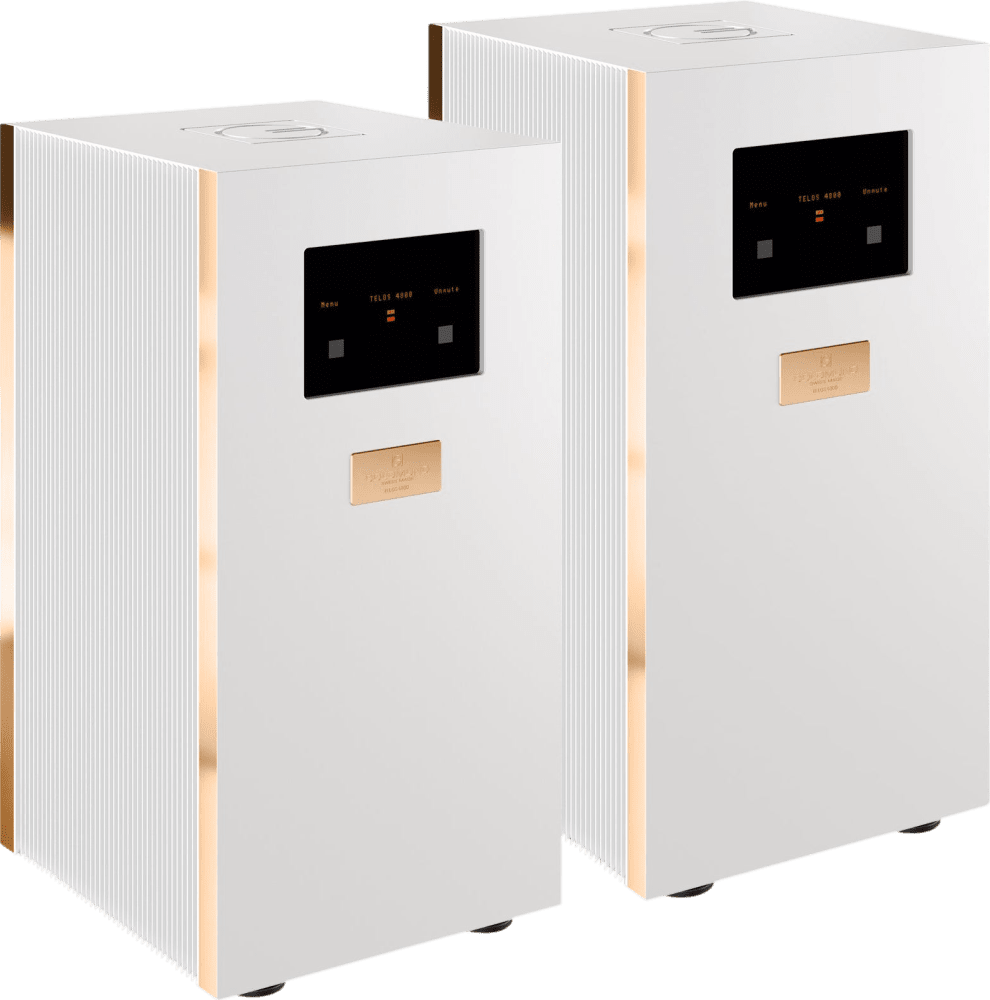
What reviewers think
Product Strengths
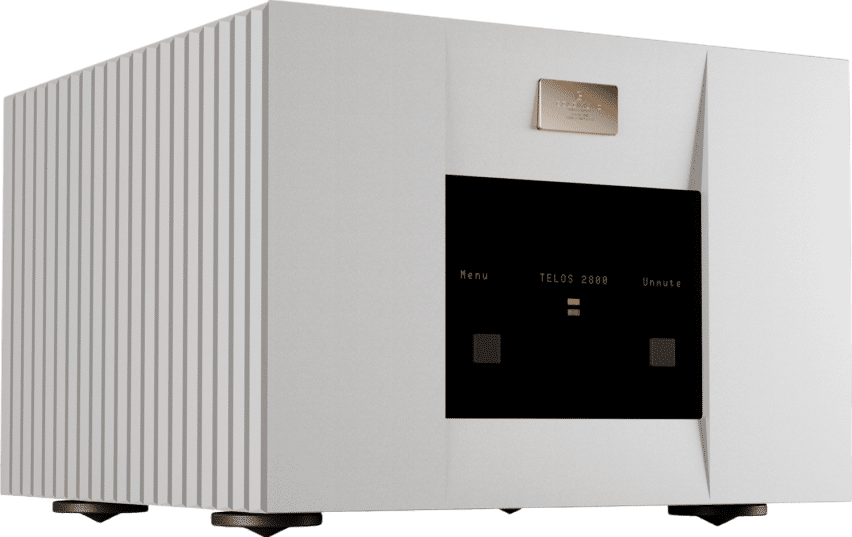
- Designed to drive even very low-impedance loudspeakers without compromising distortion levels
- Delivers unmatched sound clarity and power with a maximum power output of 1050 watts RMS at 8 ohms and a total harmonic distortion (THD) of only 0.005% across 20 Hz to 20 kHz
- Features a damping factor of 600 at 1 kHz and output floor noise of less than 3 μV, delivering an impeccably clean and detailed sound free from unwanted background noise
- Ensures maximum thermal security and short-circuit protection with fully analog circuitry from input to output and an automatic shutdown feature
- Equipped with analog and digital inputs, including RCA and XLR connectors
Product Considerations
- A preamp is required to supply input switching and any processing needed before sending signals to the Telos 4800 to power the speakers
- As a mono power amp, two units are required for a stereo setup, increasing the overall cost significantly
Takeaway: The Telos 4800 is designed to meet the needs of any audio system and delivers unmatched sound clarity and power. With impeccable specs, it offers a high-end performance for audiophiles.
Video review
About the brand

What reviewers think
Video review
About the brand
What reviewers think
Video review
About the brand

What reviewers think
Video review
About the brand
What reviewers think
Video review
About the brand
What reviewers think
Video review
About the brand

What reviewers think
Product Strengths
- Walloping macrodynamics and unbelievable frequency response
- Holographic soundstage, delivering sound from all around the listener
- Solid and dense images, providing a realistic listening experience
- Extreme microdynamics, revealing every little detail in a natural, non-fatiguing way
Product Considerations
- Not inexpensive
Comparisons (according to reviewers)
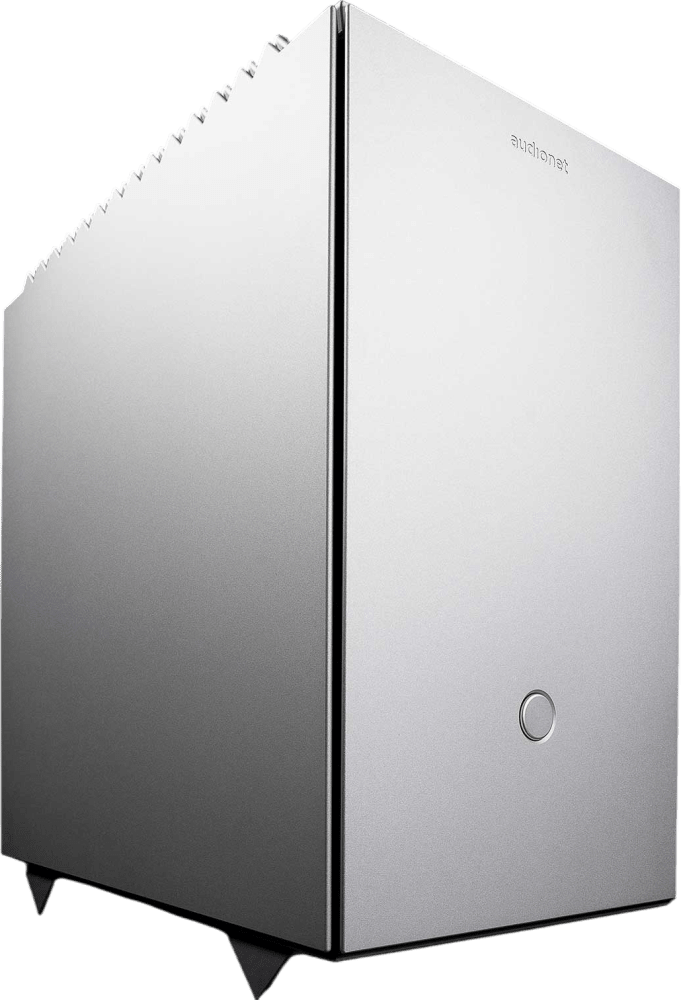
- Replaces the Audionet Max power amps, taking the system to a whole new level of performance
- Compared to the Audionet Pre G2/Max system, the Heisenberg delivers more depth, focus, and much more bass detail with the YG Sonja XV speakers
- The Heisenberg seems to magnify the strengths of ancillary components
Takeaway: The Audionet Heisenberg offers exceptional sound quality with incredible power and detail, creating an immersive listening experience. It is a reference-quality amplifier designed to last a lifetime and elevate any high-end audio system.
Video review
About the brand


What reviewers think
Product Strengths
- Considered a 'statement piece' with a bold visual design and elegant minimalist controls
- Delivers effortless sound with extraordinary dynamics and powerful bass
- Offers a neutral sound with accurate tonality, allowing the recording's character to shine through
- Provides colossal control over loudspeakers, resulting in a precise and mastered beat
- Showcases remarkable musical coherence, communicative qualities, and low-frequency performance
Product Considerations
- Installation requires a team due to the substantial weight and size of the units (NAC S1 preamplifier 61.5kg, NAP S1 mono power amplifier 101kg per channel)
- Replacing the preamplifier with an Audio Research Reference 10 unbalances the sound, and it is not recommended
- The placement of input and output socketry is on the back of the lower, power-supply chassis
- Expensive high-end cables are needed, Naim's own cables are outperformed by others
- Warm-up/burn-in time is needed, and it can take around a week to get back close to full performance
Comparisons (according to reviewers)
- The Audio Research preamp is more 'beauteous' with greater image depth and possibly greater coherence across the frequency range, but the Statement preamplifier is a very obvious step in another direction—with more musical mastery
Takeaway: The Naim Audio Statement amplifiers are a top-tier audio system that delivers powerful and precise sound, highlighting the unique qualities of each recording. It is an impressive and engaging set of electronics.
Video review
About the brand

What reviewers think
Video review
About the brand

What reviewers think
Video review
About the brand
What reviewers think
Product Strengths
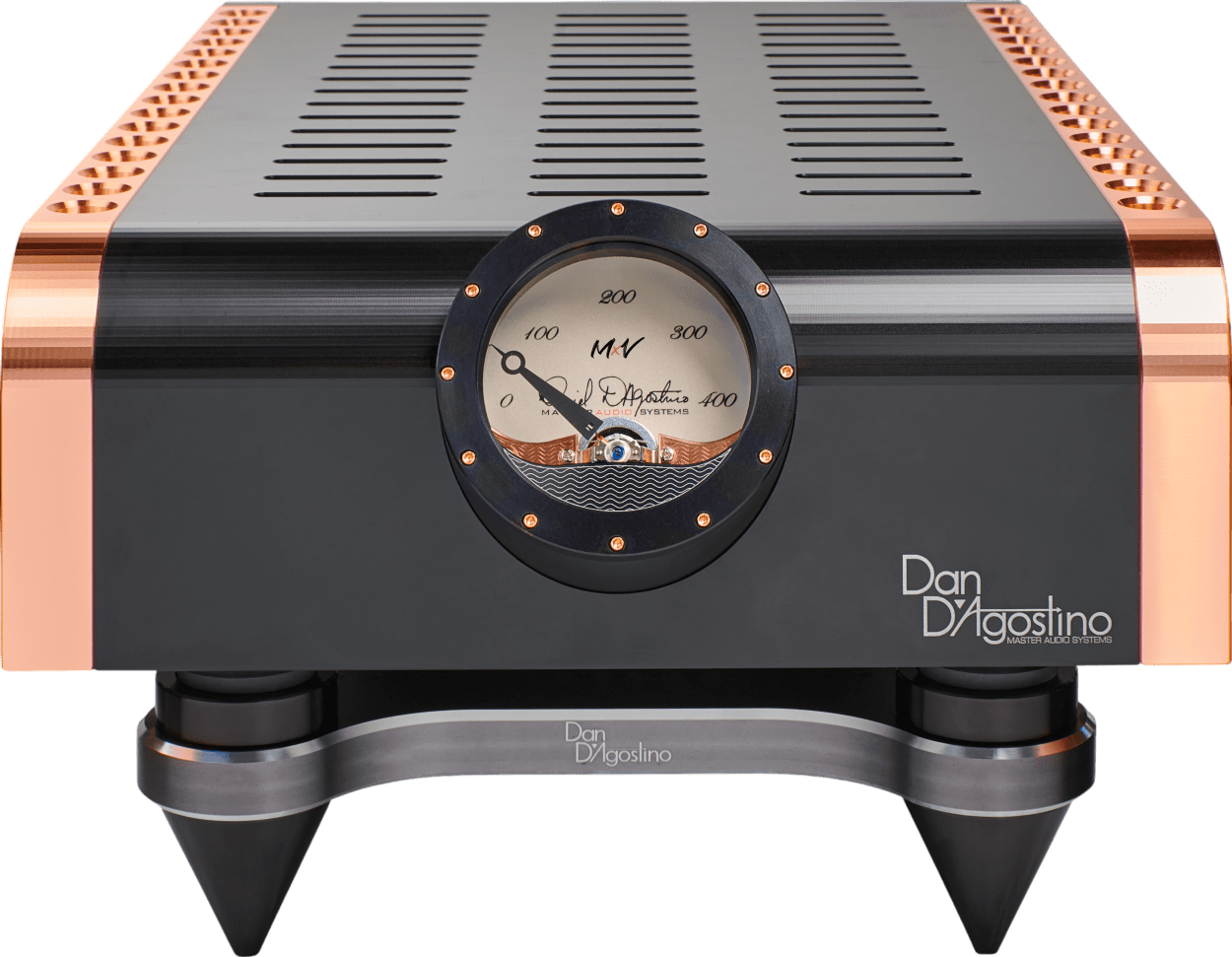
- Exquisite aesthetics with a sleek design and a power meter that glows green
- Delivers a smooth and satisfying sound
- The sound is described as 'louder' and more powerful
- Said to be able to drive any speaker to its maximum output
- Upgrades are retrofittable to earlier Momentum models
- Balanced input only
Product Considerations
- Runs warm
- The scale on the power meter is essentially uncalibrated
- Requires a return to the factory for MxV upgrades on earlier Momentum Models
Comparisons (according to reviewers)
- The Momentum M400 MxV incorporates technology from the Relentless line and gets very close to the Relentless sound regarding space and depth
- The Momentum M400 MxV is smaller and lighter than the Karan Acoustics POWERa mono
- The Momentum M400 MxV is smaller and lighter than the D'Agostino Progression M550 Mono amplifier
Takeaway: The Momentum M400 MxV monoblock is a beautifully designed and powerful amplifier that delivers a smooth and satisfying listening experience. It incorporates technology from the flagship Relentless model, making it a top-tier choice for audiophiles.
Video review
About the brand

What reviewers think
Video review
About the brand

What reviewers think
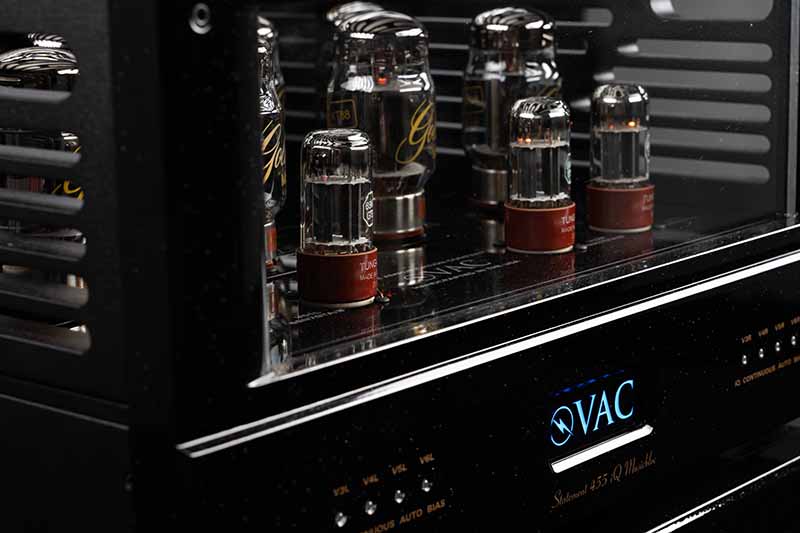
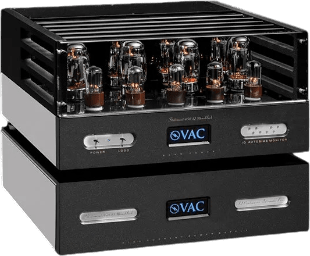
Product Strengths
- Exceptional musical resolution with an organic, natural, and coherent voice, achieving both transparency and musicality
- A patented iQ Continuous Automatic Bias System continuously monitors and adjusts individual tubes
- Accurate timbre rendering with unassailable truthfulness, conveys tonal color in remarkably fine gradation of shading and articulation
- Authentic and credible spatial reconstruction of recordings, especially when paired with speakers known for their spatial accuracy
- A limitless sense of dynamic contrast—sounding powerful with a complete absence of strain
Product Considerations
- Large-scale microdynamic performance, small, low-level dynamic gestures smooth and level off dynamic contrasts
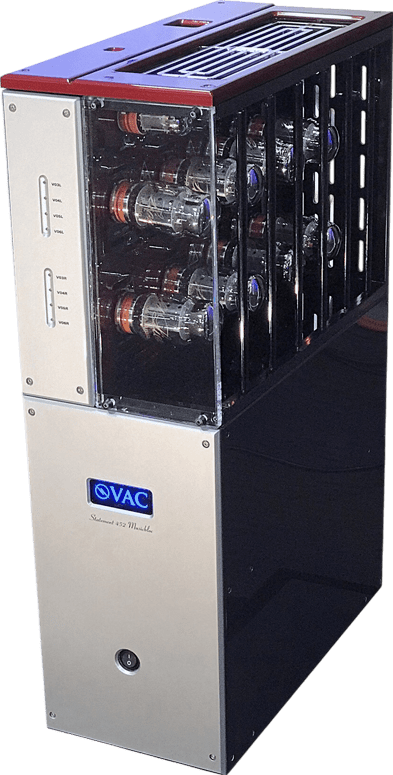
- The vertical tube layout could lead to uneven tube temperatures, with the top tubes running hotter
- Minimal specifications are included in the manual, lacking detailed information for potential buyers
- The amplifier is heavy, weighing 280 pounds in its flight case
- Retubing can be expensive
Comparisons (according to reviewers)
- It does not kick as hard as solid-state amps
- The VAC 452iQ exhibits a sheer dynamic scale that the ampsandsound Zion Monos cannot achieve
Takeaway: The VAC Statement 452 iQ Musicbloc is a top-tier tube amplifier known for its sonic purity, dynamic capabilities, and engaging musicality that brings recordings to life. It offers a unique blend of classic tube warmth with modern precision and control, and its iQ system is a great addition.
Video review
About the brand
What reviewers think
Product Strengths
- Conservatively measured at 600W into eight ohms, it can output up to 2.4kW into a two ohm load
- It is an all-balanced design, with out-of signal path protection for DC offset, clipping, and thermal protection
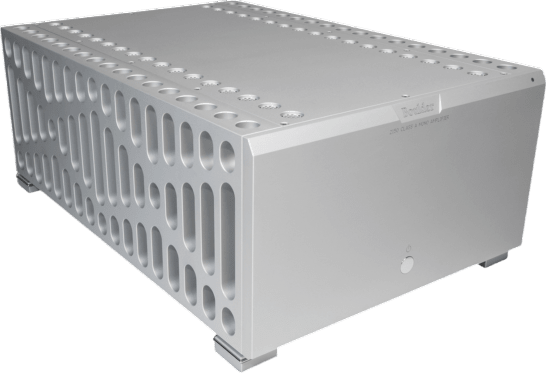
- Its chassis is CNC milled in-house to extraordinary tolerances
- Transparency and faithfulness to the source provides more insight into the recording with less artifice
- It brings an overarching sense of structure and order to the sound, handling complex musical signals and difficult-to-drive loudspeakers with ease
Product Considerations
- It weighs a shade under 100kg
- Being an all-balanced design, single-ended sources need an adaptor or custom cable
- It requires uncompromising sources and loudspeakers to give their best results
- The red LED fault indicator will only glow if there is a source running at greater than 3V of DC offset, indicating a broken or incompetently designed source component
- It uses a 16A plug and socket as the connector, which may be unusual for some users
Comparisons (according to reviewers)
- Vs smaller, faster amplifiers, the Boulder 2160 is as lithe and can deliver the full might of an orchestra
Takeaway: The Boulder 2160 is a robust and powerful amplifier built to last, offering transparency and accuracy in audio amplification. It provides structure and order to the sound, handling complex musical signals with ease, making it a great addition to a high-end system.
Video review
About the brand
What reviewers think
Product Strengths
- Tone color and instrumental timbre are portrayed with accuracy, offering a high level of expressiveness
- Dense voicing of complex harmonic structure and texture is reproduced
- Transparency rivals solid-state amplifiers, revealing detail and nuance
- Unconstrained transient fidelity is demonstrated—both subtlety in microdynamics and macro capabilities in weight and impact
- Exceptional low-frequency performance is delivered with control of pitch definition, weight, and attack
Product Considerations
- The integrated nature of the product makes it impossible to differentiate the individual contributions of the phono, line, and amplification stages
Takeaway: The Statement 450i iQ offers a musical voice by combining timbral accuracy, transparency, transient fidelity, and bass authority. It delivers magical valve sound with densely colored soundscapes and a visceral, three-dimensional stage.
Video review
About the brand
What reviewers think
Video review
About the brand
What reviewers think
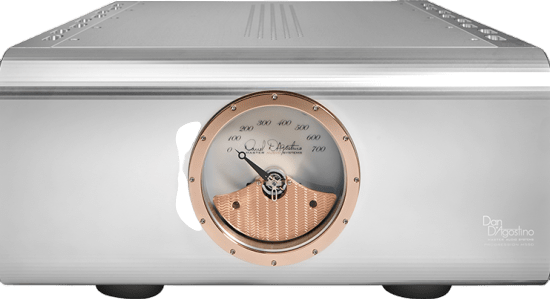
Product Strengths
- Improved high-frequency response melds lower saturation voltage with higher gain
- An upgraded output stage includes 48 power transistors and a 2000VA power supply transformer with nearly 100,000 microfarads of power supply storage capacitance
- A new and far more efficient heatsink design borrowed from the Relentless
- Can remain in class-A for up to the first 100W of their output
Product Considerations
- One of the amps wasn't working properly the entire time
- Measurements may not be stellar, even though the D'Agostino website claims that the Progression's 'distortion, signal/noise ratio, channel separation, and bandwidth measurements have all improved'
Comparisons (according to reviewers)
- The Progression M550 monoblocks replaced the original Progression monos
- Dan D'Agostino said that if he'd listened to the new Progression M550s when he designed the original Momentum monoblocks 10 or 11 years ago, he would have declared the Progression M550s better
- The Progression M550 borrowed from the Momentum
- The M550 borrowed from the Relentless
Takeaway: The Progression M550 monoblocks are a significant advance, with technological improvements resulting in a 'new amplifier' design. The M550s aim to provide both high-powered delivery when needed and sonic accuracy.
Video review
About the brand

What reviewers think
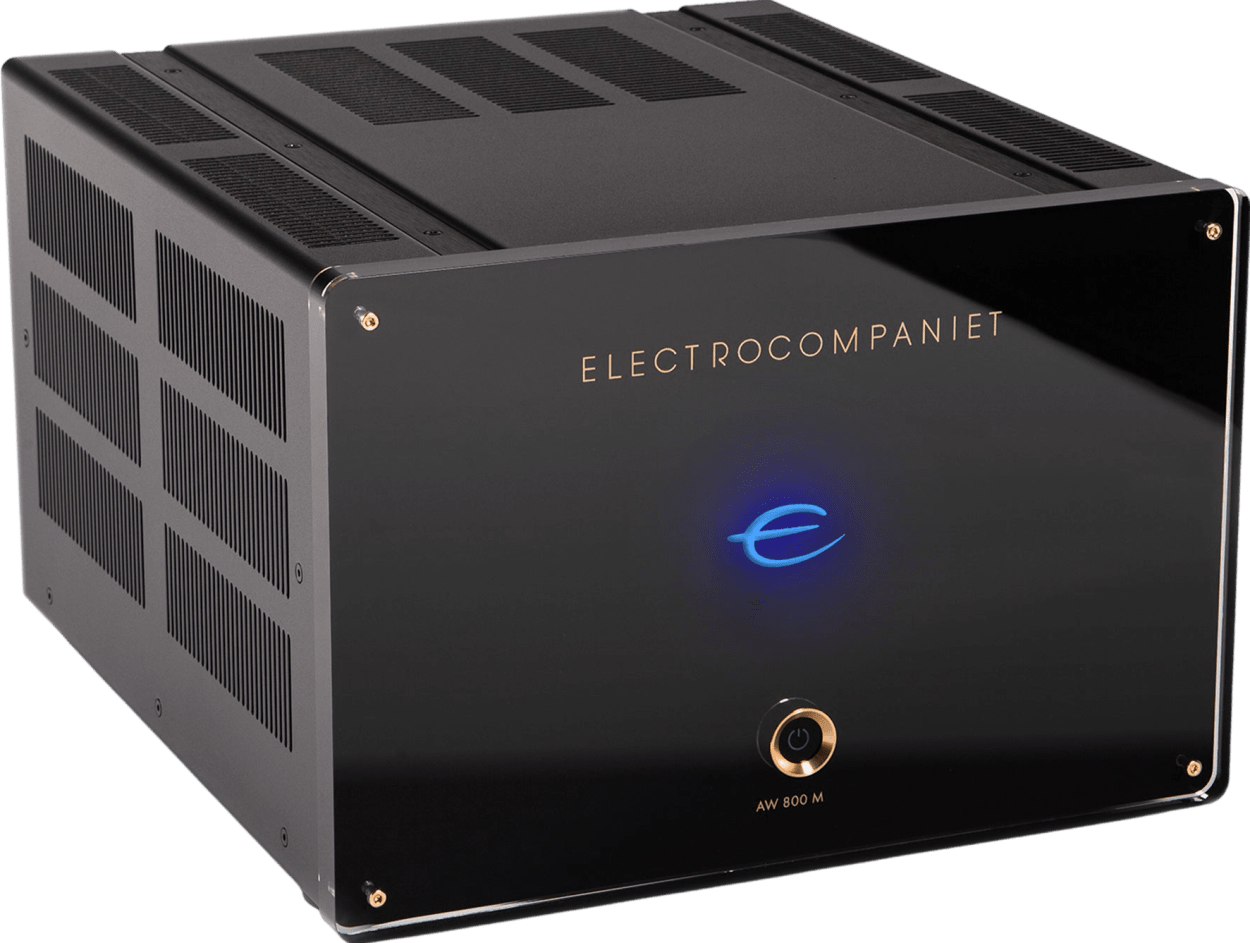
Product Strengths
- Very clean and noise-free output signal provides a stable soundstage with a very black background at any sound level
- Exceptional bass control and depth delivers a powerful and tight bass response that underpins the overall musical experience
- Offers flexibility with mono, stereo, and bi-amping operating modes, allowing for system upgrades and configuration changes
- Dynamic and fast, reacting instantaneously to the signal it receives and delivering power and subtlety where needed
- Continues the company's aesthetic with the massive perspex front panel covering
Product Considerations
- Speaker binding posts may not be compatible with all types of speaker cable terminations, specifically thicker spades
- The control for the illuminated 'E' on the front is located underneath the amp and may be difficult to access
- May be more 'laid-back', which some may interpret as lacking ultimate transparency or strict neutrality
- Provides only for XLR balanced inputs, though Electrocompaniet can provide appropriate high-quality adaptors for RCA connectors
Comparisons (according to reviewers)
- Brings another level of control and depth to everything, compared to Totaldac Amp 1
- The memorable blackness of bass pinged recognition, compared to Kinki Studio EX-B7 monos
Takeaway: The Electrocompaniet AW 800 M is a powerful and versatile amplifier known for its exceptional bass control, clean output, and dynamic performance. It is a great choice for audiophiles seeking a high-quality listening experience with flexibility for system configuration.
Video review
About the brand


What reviewers think
Video review
About the brand

What reviewers think
Product Strengths
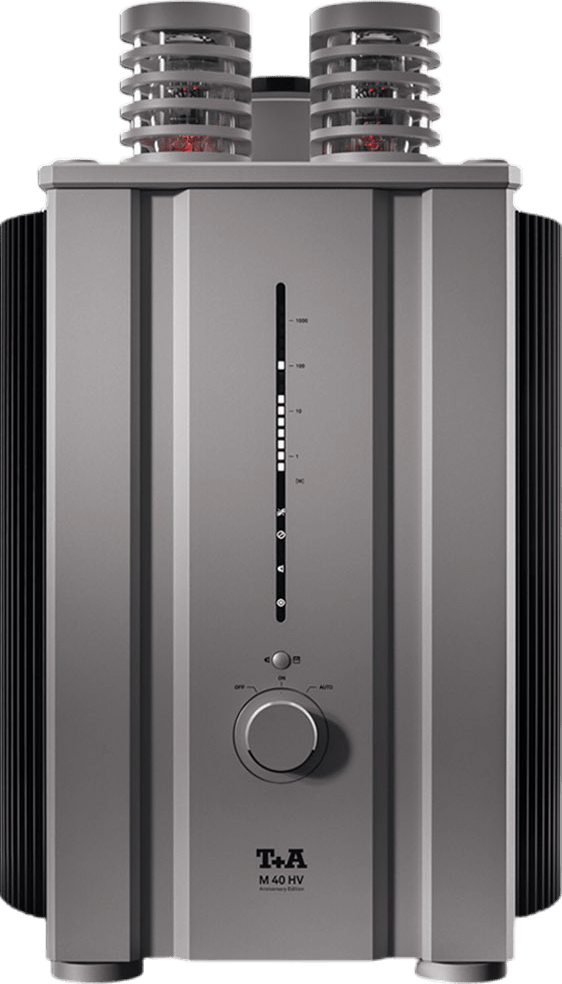
- Prodigious power, rated at 550W/8ohm apiece and capable of more under dynamic conditions
- Valves are used in the preamp stage
- Non-magnetic signal paths are used, where every single screw and part inside (with the exception of the transformer) is completely non-magnetic
- Sounds powerful and controls speakers exceptionally well—especially in High Power mode
Product Considerations
- Each monoblock weighs over 50kg, making positioning difficult
- When running in High Power mode, the sound can be a tad anonymous and uninvolving, timbres can be a bit parched, and soundstage images can be layered more like a relief map than an organic whole
- T+A recommends using HLink, trigger switching or the main power switch to power on the amp rather than the signal-sensing, due to the time the amp takes to power up, pre-heat the input valves and lift the speaker muting relays
- The Anniversary Edition will only be built in the anniversary year
Takeaway: The T+A M 40 HV is a very powerful amplifier built with special parts that provides great control over speakers. Switching to high current mode gives the sound a richer, more detailed, natural feel.
Video review
About the brand
.png)
What reviewers think
Product Strengths
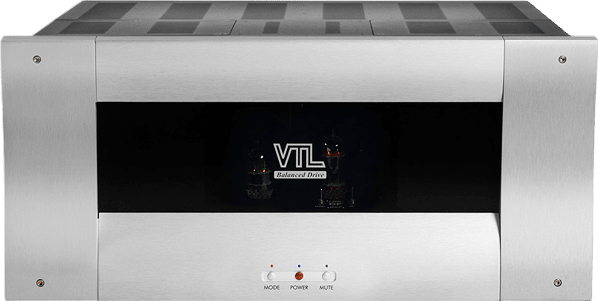
- The MB-450 Series III can better drive a wider range of loudspeakers than previous iterations due to a redesigned, fully balanced differential input stage and lower-impedance push-pull output stage
- The MB-450's design includes Smart Tube technology with logic-controlled auto-biasing, which optimizes tube performance and includes a diagnostic system
- It offers flexibility in sound via a front-panel switch between tetrode and triode operation, and four settings for Damping Factor to adjust output impedance
- The MB-450 Series III produces a generous and expansive top-end, with fast, precise attacks, without grain, glare, and etch
- The MB-450's stable and heavily regulated circuit topology provides a sense of order and musical organization
Product Considerations
- The MB-450 is heavy (93 lbs each) and awkward to lift due to the concentration of mass in the rear
- The 'Max' Damping Factor setting has a noticeable negative sonic impact
- While deep and well-controlled, the low-frequency extension of the MB-450 gives ground to the Musical Fidelity Titan in terms of bass weight and dynamics
- The MB-450 may need an hour or so to warm up and sound its best from a cold power-up
- The manual can be overly detailed, making simple tasks seem complicated
Comparisons (according to reviewers)
- Vs Musical Fidelity Titan: The MB-450 Series III has a more generous and expansive soundstage, but the Titan produces greater body and weight, and especially image solidity
Takeaway:
The VTL MB-450 Series III Signature is a user-friendly tube amplifier with a cool and classy appearance, offering reliability and versatility. It delivers a stable and organized sound, making it great for a wide range of speakers and musical tastes.
Video review
About the brand

What reviewers think
Product Strengths
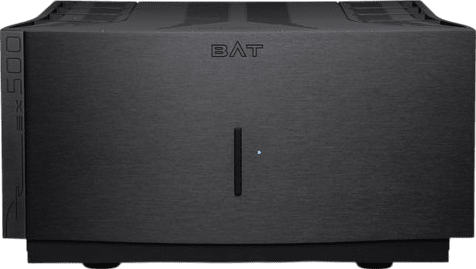
- Powerful, able to drive any speaker at any level with ease
- Delivers a new dimension in realism at any volume level, exposing the timbre of bass instruments unlike ever heard before
- Reveals harmonic quality of instruments and voices
Product Considerations
- Heavy, weighing 140lb (63.5kg), requiring assistance for moving and unboxing
- High running temperature (55-65oC across the chassis) and draws 500W from the wall when idle
- When speaker cables are terminated with spade lugs, caution is advised as the posts are close together
- Output is floating—it should not be connected to any loudspeaker with a grounded 'black' terminal
- BAT components take a long time to "break in" (400-500 hours of use)
Takeaway: The BAT REX 500 is a very powerful amplifier that drives speakers with ease and reveals new levels of realism in familiar recordings. It is a must-audition for those seeking reference-level power amplification.
Video review
About the brand

What reviewers think
Video review
About the brand

What reviewers think
Product Strengths
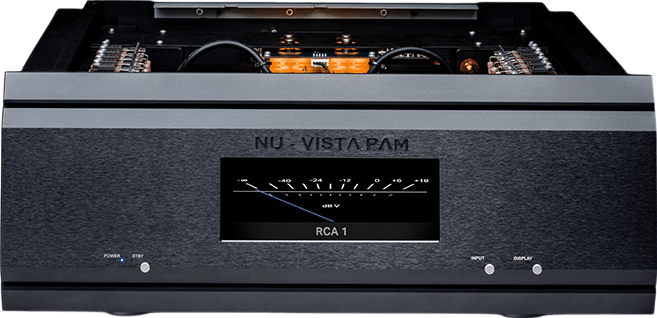
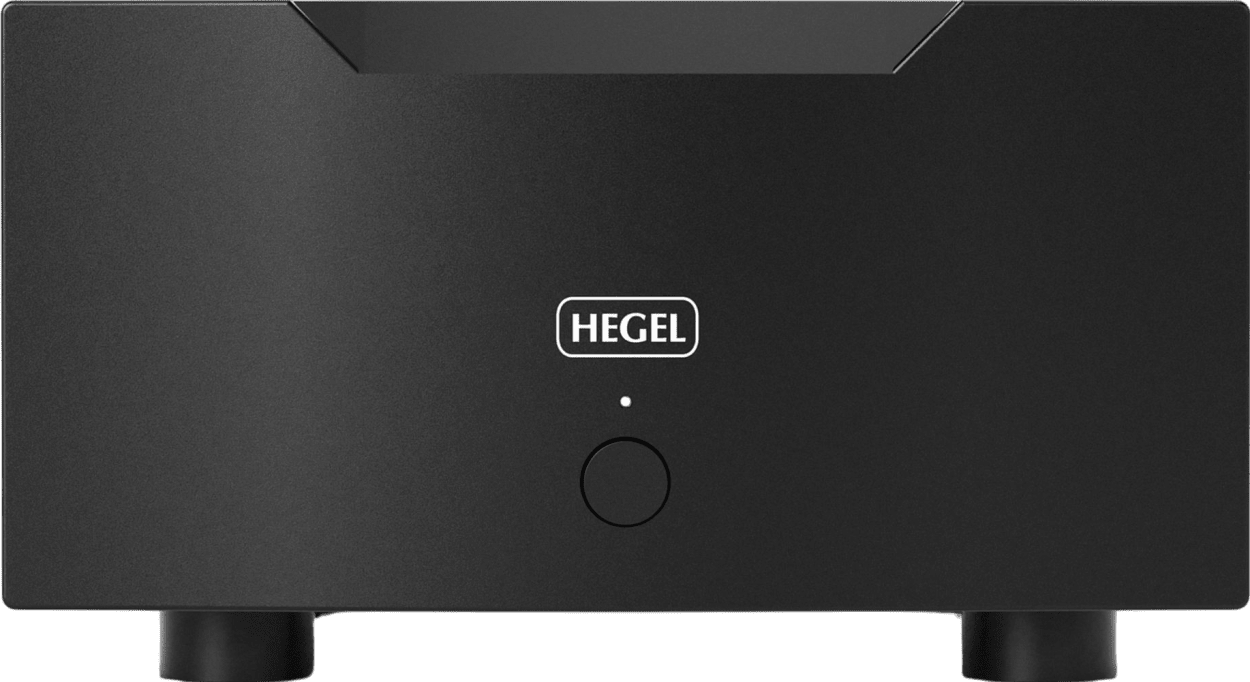
- A neutral, composed, and powerful amplifier
- Excels with speed and dynamic snap
- Produces huge, well-formed images
- Can drive pretty much anything due to its over-specified design
- Renders bass frequencies with a crackling sense of power through the upper bass and into the midrange, creating corporeal images of instruments
Product Considerations
- Very heavy (104.5 pounds) and large, posing a logistical challenge for placement
- When used in stereo mode, is single-ended, potentially breaking a balanced chain in a fully balanced system
- High input sensitivity may require a low-gain preamp to experience its full potential
- Top plate is sheet aluminum of reasonable thickness, and is somewhat underdamped
Comparisons (according to reviewers)
- Compared to Bryston 4B 3, the H30A juices up realism and pulls the listener more deeply into the performance, especially through revealing speakers, the 4B 3 is a stone-cold bargain though
- Compared to Simaudio Moon 860A v2, the H30A's top end was clear and extended, without the Simaudio's slight softening
Takeaway: The Hegel H30A is a powerful amplifier that delivers a neutral and composed sound. Its ability to create realistic and well-defined images makes it a great choice for those seeking a high-performance listening experience.
Video review
About the brand


What reviewers think
Product Strengths
- Powerful sound amplification ability
- Simplicity and minimalism in its design
- The manufacturer invested in all aspects, from the selection of modern electronic components with excellent audio efficiency at an attractive price range
- The frame is made of thick solid aluminum, which effectively eliminates any interference
- The cooling system with openings on both sides and top helps the machine operate stably and can effectively extend the life of the device, allowing it to work for many hours
Product Considerations
- With dimensions of 450mm x 210mm x 550mm and weighing up to 60kg, users should pay attention to its installation, ensuring it is most suitable
Takeaway: The Bladelius Oden amplifier is a high-quality integrated amplifier that provides powerful sound and user-friendly design. It uses modern components and has a cooling system for stable performance.
Video review
About the brand


What reviewers think
Product Strengths
- Impressive power output for its size, delivering substantial watts into various impedance loads
- Excellent control over speakers due to its very low output impedance
- Extremely low noise floor, contributing to a very clean sound
- Transparent sound, revealing details in recordings
- Strong macro dynamics, offering a wide dynamic range
Product Considerations
- The bass presentation might sound different than what listeners are accustomed to, potentially sounding 'less developed' due to the lack of overhang
- With low-resolution files, the Kaluga doesn't add euphonic coloration, exposing flaws in the media
- The power cord receptacle is not quite deep enough to permit a tight connection between cable and amp, meaning that any pressure exerted on the amp chassis risks dislodging the power cord from the amplifier power input terminal
Comparisons (according to reviewers)
- Vs Ayre MX-R Twentys, the Kaluga has better iron-fisted bass control and absolute quiet
Takeaway: The Mola Mola Kaluga provides a potent, clean, and transparent sonic experience with high power output and excellent control, making it a worthwhile consideration for audiophiles seeking accuracy and neutrality. Its compact size and impressive performance make it suitable for various listening environments and speaker types.
Video review
About the brand

What reviewers think
Product Strengths
- Capable of passing 400W into 8 ohms, 765W into 4 ohms, and 1010W into 2 ohms without clipping
- Fully balanced design from input to output
- Impressive mechanical construction with a rigid chassis
- Front panels are nicely finished sheets of clear acrylic, backlit in blue
Product Considerations
- Optimized for true balanced operation
Takeaway: The Electrocompaniet AW400 is a powerful and well-constructed amplifier suitable for those seeking a fully balanced design. Its robust build and high power output make it a strong contender in its class.
Video review
About the brand
What reviewers think
Product Strengths
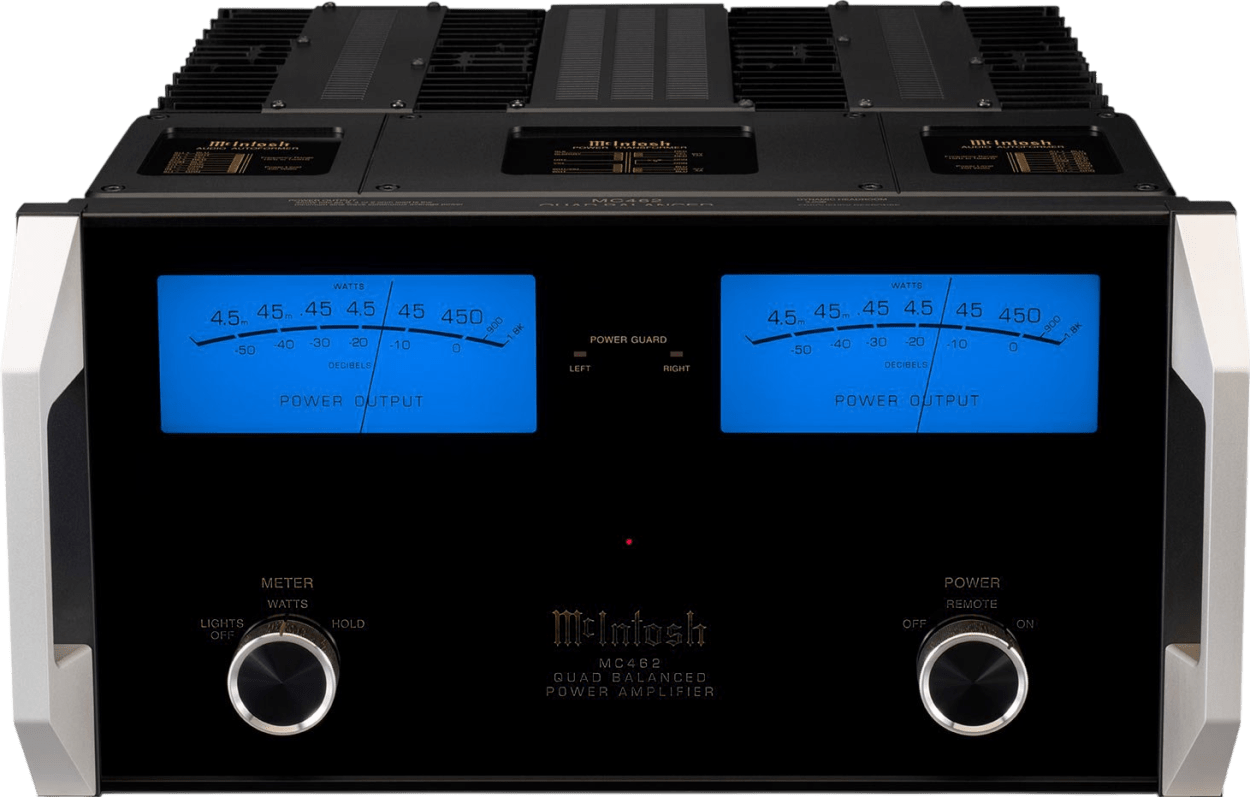
- Delivers a specified continuous power output of 450Wpc into 2, 4, or 8 ohms
- The MC462 can handle drastic swings in dynamics and reproduce music with virtually no distortion
- Quad Balanced design cancels virtually all noise and distortion
- McIntosh states the dynamic ceiling height improves from 1.8 to 3 dB
- This McIntosh amp handles anything passed through it and reveals flaws in poorly recorded material
Product Considerations
- The amplifier is heavy—weighing 115 lbs (52.3 kg)—making it difficult to move
- The size is bulky, so it shouldn't be placed on a light shelf
- The amplifier could veer to the analytical side of the sonic spectrum
Comparisons (according to reviewers)
- Vs Dan D'Agostino Momentum Integrated Amplifier: The D'Agostino had greater musical transparency and detail, but the MC462 can crank out high volumes without noticeable distortion and handle sudden spikes in power
- Vs Mark Levinson No. 532H: Bass is experienced as much more powerful
- Vs Gryphon Diablo 300: Dynamic contrast is more natural and vibrant
- Vs Ayre VX-R and Audio Research VT80: More dynamic
Takeaway: The McIntosh MC462 is an exceptionally powerful amplifier that delivers clean, clear sound and can drive even complex speakers. It is built to last and provides great sound.
Video review
About the brand

What reviewers think
Product Strengths
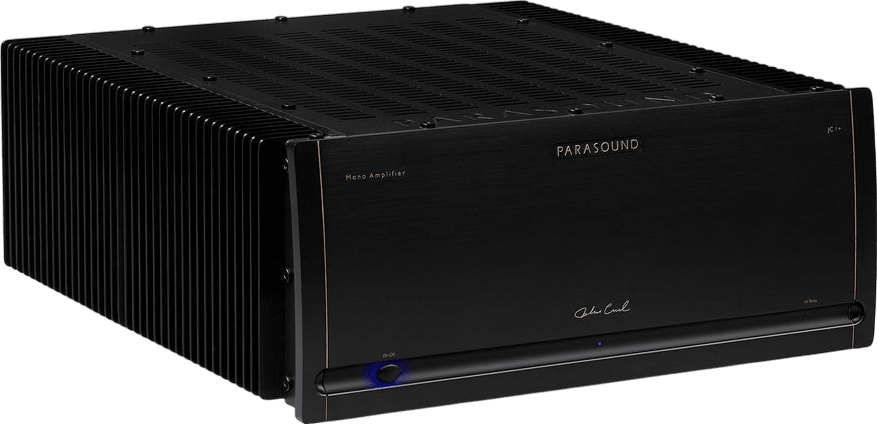
- Super clean, super stable power across the entire audio range
- Effortless dynamics, making it suitable for classical music and complex musical pieces
- Great resolution and detail at both high and low listening levels
- Exceptional build quality with top-quality parts
- Very high power output, able to drive almost any speaker
- The neutrality of the JC1+ was considered a strength
Product Considerations
- The JC 1+ amplifiers are big and heavy, weighing 83 pounds each
- Needs dedicated power lines
- Some reviewers felt a bloomier low end, along with a smidgen of extra juice to the mids, would have made it better
- The treble was somewhat less transparent and pellucid compared to more expensive amplifiers
Comparisons (according to reviewers)
- The JC1+ has much more bass, is warmer sounding, and rolls off the high end a bit more, bringing out the mid-range and vocals, compared to Cambridge Audio Edge Monoblocks
- Significant improvements in every aspect, compared to the original JC1
- Slightly more grain and was slightly less fluid sounding than the Tidal or Pass Labs amps
- Pass has a more sense of weight in the lowest octave and is a little smoother in the high-mids, compared to Pass Labs XA-200.8
- Comparable to Burmester 911's, but at a much lower cost
Takeaway: The JC1+ is a powerful and refined amplifier that offers exceptional performance, making it a great choice for audiophiles looking for high-end sound. It is built to last and will bring out the best in speakers.
Video review
About the brand
What reviewers think
Product Strengths
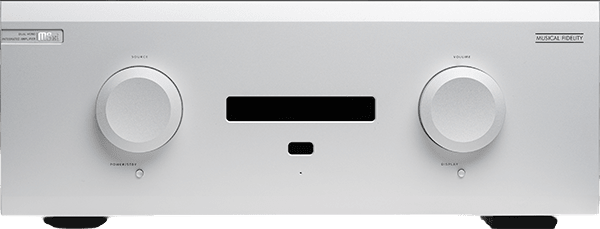
- Encompasses a preamplifier and two monobloc power amps in one chassis, with each section getting its own transformer
- Possesses a smooth, confident, and authoritative sound unfazed by the speaker being driven, not hard or harsh, and having a pretty subtle and neutral character with well-controlled bass, a smooth treble, and a detailed but not too forensic midband
- Delivers a spacious and absorbing sound that is clean, clear, and open without being in your face
- Has a huge claimed power output of 550 watts per channel in 8 ohms, which then rises to a dizzying 870 watts as the speaker impedance halves
Product Considerations
- The M8xi is a monster in size and weighs in at 46kg
- Runs warm, so ventilation becomes an issue if overheating isn't to become a problem
- Lacks a phono stage and a headphone output
- The remote control feels pretty low rent
Comparisons (according to reviewers)
- Vs Exposure 3510: The M8xi sounds more bass-light in many situations, as there's less overhang and slurring of the bottom end
- Vs Rotel Michi X2 S2: The Michi X2 S2 does a bit better in absolute transparency, but the M8xi has a less forward—and ultimately more inviting—sound
- Vs Marantz PM10: The M8xi lets the music flow better than the Class D PM10
- Vs Yamaha A-S3200: The reviewer would take the M8xi over the A-S3200 in a heartbeat
- Vs Naim Supernait 3: The soundstage shrank a bit and the kick drum was a little looser, albeit more fulsome, than through the M8xi, while the Naim added some weight and body in the midrange, which gave voices a richness that was immensely satisfying, if not quite as neutral as through the M8xi
Takeaway: The M8xi is a very fine-sounding mega muscle amp that delivers all the drama packed into the original performance. The Musical Fidelity M8xi belongs on the shortlist of anyone looking for a powerful integrated amplifier.
Video review
About the brand

What reviewers think
Product Strengths
- Delivers an impactful and super-engaging musical experience
- Has more bounce in the delivery and an overall more energetic sound than the AW180
- Improves on the AW180s across the board, even in terms of emotional satisfaction
- Provides the most outgoing, engaging, and simply most fun performance when paired with Graham speakers
Product Considerations
- Needs to be partnered with well-matching loudspeakers to get the best results
- May sound a little too factual when fed directly by a DAC, it works better with an analog preamp
- May not be the best choice for analytical speakers that are extremely linear, transparent, and very controlled
Comparisons (according to reviewers)
- The AW600 Nemos have more bounce in their delivery and an overall more energetic sound than the Electrocompaniet AW180
Takeaway: The Electrocompaniet AW600 Nemos are a great choice for listeners wanting an engaging and fun musical experience, especially when paired with the right speakers. They improve upon the AW180s and provide an outgoing and communicative performance.
Video review
About the brand

What reviewers think
Product Strengths
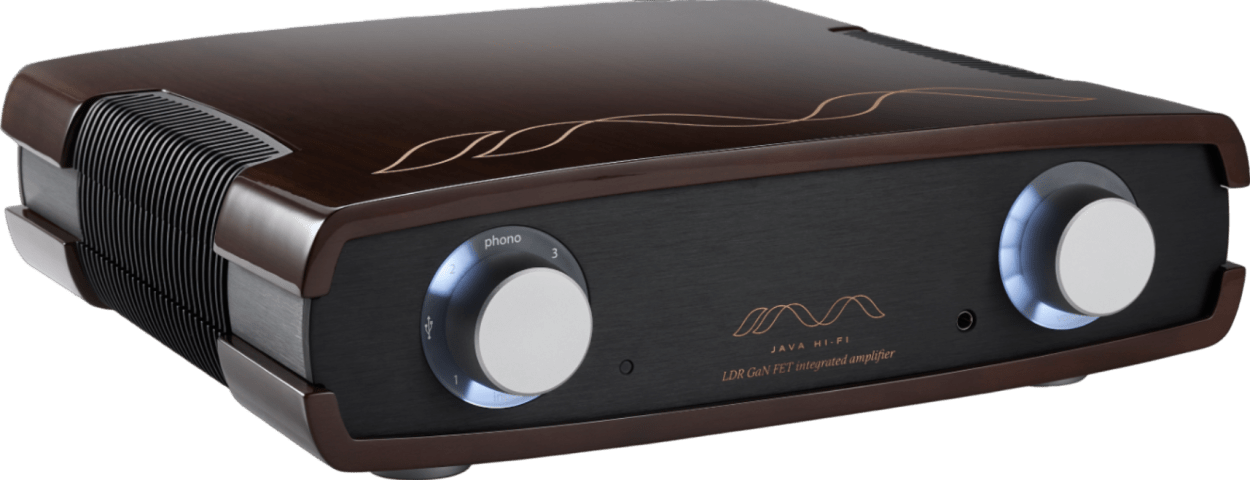
- Gorgeous casework and beautiful design
- Neutral, clean and transparent sound quality
- Excellent DAC, featuring Burr-Brown chips
- Powerful amplifier section
- The connectivity options are limited
Product Considerations
- High price point
- There are not a lot of inputs
- MM phono stage only
- The feel of the knobs is not good
Comparisons (according to reviewers)
- Vs Leben CS600—the Java Hi-Fi Single Shot sounds less ripe and less rich
- Vs Riviera Labs Levante—the Java Hi-Fi Single Shot sounds much flatter
- Vs Ayre KX-8 Preamplifier/VX-8 Power Amplifier—the Ayre combo offered a greater sense of texture, tone and dimension
Takeaway: The Java Hi-Fi Single Shot Integrated Amplifier combines great sound with an elegant design, and it has enough power to drive most speakers. It is an excellent choice for those who want a high-quality, stylish audio system without the complexity of separate components.
Video review
About the brand


What reviewers think
Product Strengths
- Absolute authority and conveys acoustic space realistically
- Voluminous, deep, and authoritative bass
- An engineering and musical triumph
- Great detail, clarity, and insight, as well as a seemingly unending amount of power
Product Considerations
- Some might bemoan its slight lack of detail
Comparisons (according to reviewers)
- Compared to the D'Agostino Progression M550 monoblocks, the Progression M550 had a wider and deeper soundstage, stronger and more controlled bass, and more extended/hotter treble
- Compared to the D'Agostino Progression M550 monoblocks, the S5 sounded more transparent, with blacker blacks
- Compared to the Accustic Arts AMP V, the S5 did not overwhelm with the detail and clarity that the Accustic Arts AMP V delivered
- Compared to the Parasound Halo JC 5 Stereo Amplifier, the JC 5 had a more accurate presentation with more soundstage and imaging, while the S5 sounded more powerful and had far more bass presence and groove
- Compared to the Yamaha A-S3200, the Michi combo is more expensive, but there is a significant step-change up in detail resolution, clarity, and depth—perspective seemed wider still
Takeaway: The Rotel Michi S5 is an amplifier that delivers music with tremendous accuracy and strength, making for a vibrant and enjoyable experience that bass heads will love. Music lovers are destined to enjoy music for years.
Video review
About the brand
What reviewers think
Product Strengths
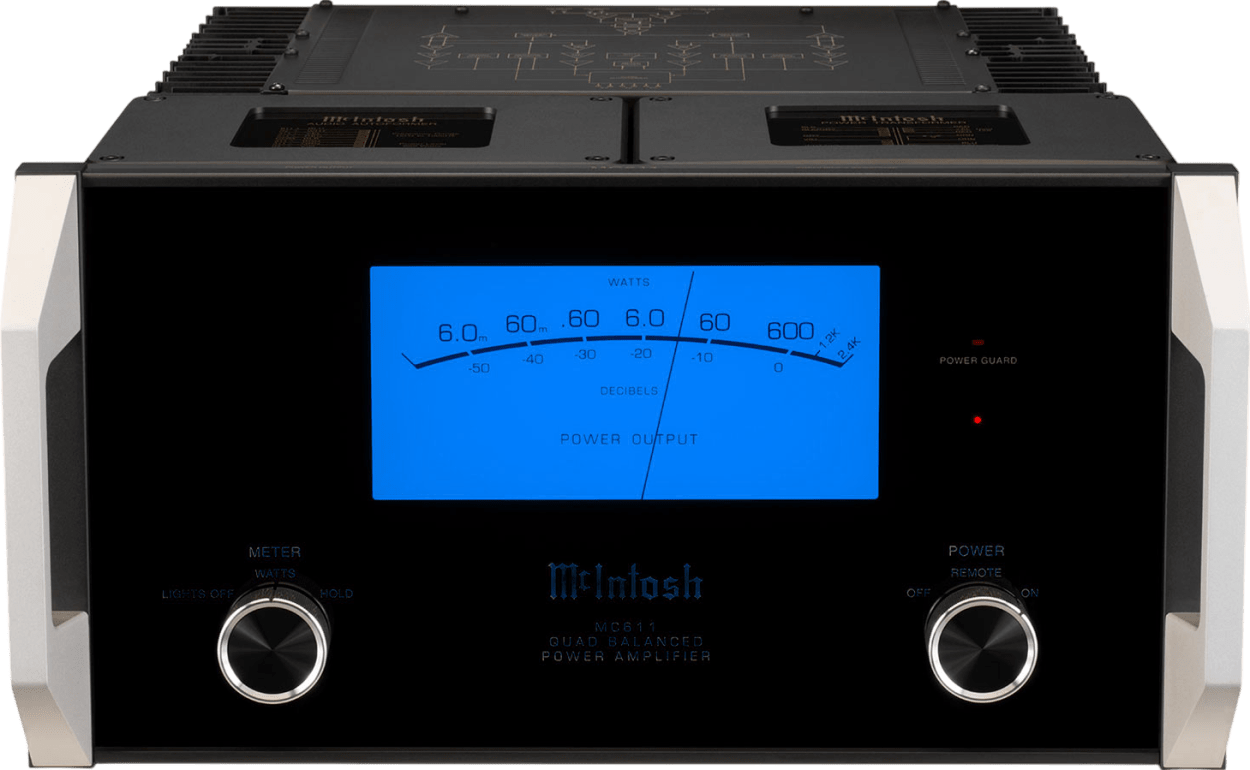
- Exceptional build quality, built like a tank and should last a lifetime
- Versatile due to the presence of 2 ohm taps, 4 ohm taps, and 8 ohm taps
- McIntosh DNA comes through and the typical McIntosh identifiers stand out strong
- Features incorporating Macintosh technology such as thermal track, autoformers, and PowerGuard
- Creates a holographic 3D sound
- Connectivity options include having multiple inputs, outputs, and binding posts
Product Considerations
- Heavy, at more than 100 pounds each
- Better to ensure compatible speakers and sources
- Cold out of the box—bass below about 100Hz is slow
Comparisons (according to reviewers)
- Vs MC452—the MC611 creates a kind of vertical depth, one can hear what's coming in the next seconds, in the next two seconds, and that creates a very calm atmosphere, knowing how the sound is building up
Takeaway: The MC611 is a beautiful and powerful amplifier that's built to last, delivers great sound, and has useful features. This amp can bring the best out of almost any system, making music sound tremendous and shock in presentation.
Video review
About the brand


What reviewers think
Product Strengths
- Delivers 400 watts in 8 ohms (<0.02 percent distortion), 600 watts into 4 ohms (<0.03 percent), or 1 kilowatt into 2 ohms
- Designed to produce lifelike levels and realistic dynamics without strain, even with challenging speakers
- Designed with advanced thermal management and a V-notch to help keep the amp cool
- Features state-of-the-art control features, including Ethernet and RS-232 connections and a 12-volt trigger for integration with custom A/V systems
- Can be controlled via iOS and Android mobile devices without an app through a proprietary server
Product Considerations
- Designed to be used in pairs
Comparisons (according to reviewers)
- Direct descendant of the Mondial Palladium Monoblock
Takeaway: The Aragon Iridium Monoblock delivers a broad and deep soundstage, a musical midrange, and accurate—deep bass response for a high-end audio system or home theater. It combines audiophile legacy with modern control features, making it a special addition to any setup.
Video review
About the brand
What reviewers think
Video review
About the brand

What reviewers think
Video review
About the brand

What reviewers think
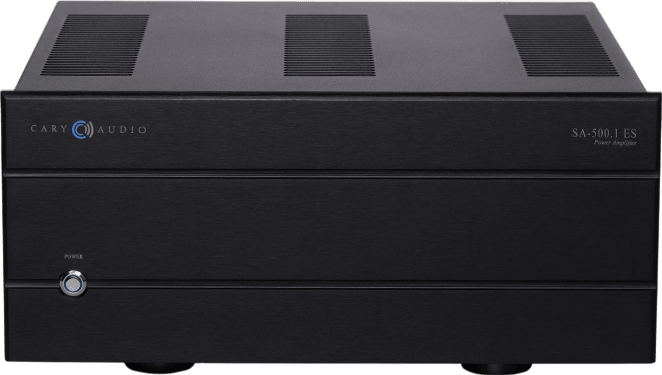
Product Strengths
- Delivers 500 watts into eight ohms, doubling into four
- Offers a powerful, reliable, musically enjoyable amplifier
- Has a hint of Cary Audio's renowned beautiful tube sound
- Possesses better-than-expected bass control and clarity
- Has an overall sound whose welcoming tonal balance, mid-hall perspective, power stability, resolution, and rhythmic drive all integrate into a consistent, musically valid whole
Product Considerations
- Soundstage depth was good, but not quite as well rendered as width
- Images within the larger soundscape lacked the 3-D density that tubes and more expense solid-state amplifiers offer
- An attempt to increase its resolution could result in the amp's sound becoming forced or unbalanced
Comparisons (according to reviewers)
- The Cary Audio projected a marginally wider soundstage, but the Hegel rendered soundstage and image depth more readily
- The Gamut M250i had greater resolution of fine detail and texture, a larger and better focused soundstage, more continuousness depth layering, and greater musical expressiveness
Takeaway: The SA-500.1 ES always sounded musically rewarding and offers commanding output power with a compelling musical groove that nods to the magic of tubes. If a musically valid whole is valued, the 500.1 might be a go-to amplifier.
Video review
About the brand
What reviewers think
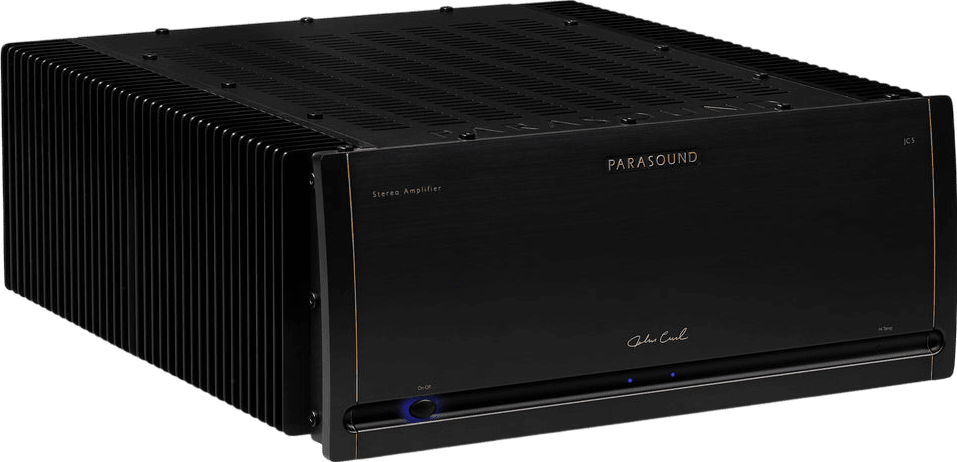
Product Strengths
- High power output with 400 watts into 8 ohms and 600 watts into 4 ohms
- Designed by John Curl, who is highly respected in the audio engineering community
- Neutral sound signature, faithfully reproducing the source material without adding coloration
- Wide and deep soundstage with good imaging
- Flexibility with balanced (XLR) and unbalanced (RCA) inputs, as well as gain adjustment knobs for system matching
Product Considerations
- Physically large and heavy, making placement and maneuvering challenging
- Gain adjustment knobs aren't click-stopped
- Break-in period needed to achieve its best sound quality
- May sound a bit harder and flatter with some speakers
Comparisons (according to reviewers)
- JC5 aims to capture the essence of the Parasound JC1 monoblock amplifiers in a stereo configuration at a lower price
- JC5 provides a richer and more satisfying bass than the Anthem M1 monoblocks, but the Anthem M1 might be more transparent and neutral
- JC5 is nearly as transparent as the Bryston 4B3, but offers more luxurious and involving experience
Takeaway: The Parasound JC5 is a powerful and versatile amplifier that delivers neutral and accurate sound. It's a good choice for audiophiles who appreciate high-quality components and want to experience their music with clarity and detail.
Video review
About the brand

What reviewers think
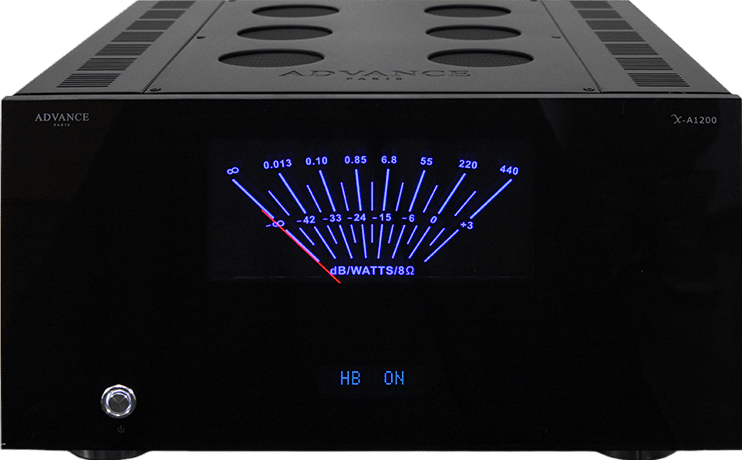
Product Strengths
- Exceptional power output capability
- Dual-mode operation (Class A/AB) offers both warmth and efficiency
- Extremely low distortion figures (THD of ≤0.003%)
- Outstanding signal-to-noise ratio (113dB)
- Robust build quality with a 25.5kg chassis
Product Considerations
- Substantial weight might require a sturdy rack
- Significant power consumption in Class A mode
Takeaway: The Advance Paris X-A1200 Mono Power Amplifier has raw power, sophisticated design, and versatile operation that makes it suitable for audiophiles. It is built for those who want high-end sound.
Video review
About the brand

What reviewers think
Product Strengths
- Delivers 500W per channel into 8 ohms
- Fully balanced architecture
- Exceptional signal-to-noise ratio
- Has clarity, grip and control to challenge many a more expensive amplifier
- Offers versatile connectivity options with both balanced XLR and RCA inputs
Product Considerations
- Build is functional but nothing excessive, such as fancy heatsinks or front plate extrusions, that would push the price up
- Substantial weight might require sturdy support
- Some might want a little bit more muscularity to the presentation
Comparisons (according to reviewers)
- Vs Hegel H190: The M8s-500s offers extra clarity, grip, control, more precise imaging, and ability to play louder
- Vs Exposure 21 Pre and 18 Super monoblocks: The M8s-500s cannot quite match them for bass weight and soundstage depth
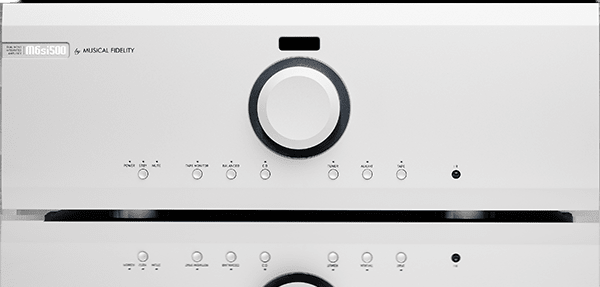
Takeaway: The Musical Fidelity M8s-500s combines raw power with precision, so it's great for audiophiles and music lovers. Its ability to deliver clarity and control makes it a worthwhile upgrade.
Video review
About the brand

What reviewers think
Video review
About the brand

What reviewers think
Product Strengths
- Delivers a lot of power, with 700 watts RMS into 8 ohms and approximately 1300 watts into 4 ohms
- Has a wide and solid soundstage with grip and control
- Exceptional musicality with both vinyl and CD sources
- Produces musical colors and textures from a wider, deeper—almost magical—holographic soundstage
- Exhibits exceptionally low distortion levels, typically 0.001% at 1kHz
Product Considerations
- Substantial weight, which might require careful placement consideration
- May require a dedicated power circuit for optimal performance
- Running in of the units can take nearly two weeks
Comparisons (according to reviewers)
- Musical presentation is similar to the M8 500s, but with greater dynamics, a wider more solid soundstage with additional muscular grip and control overall
- Compared to the Titan, the M8700m (likely similar to M8s-700m) has a lower noise floor
- Compared to the CLASSÉ amps, the M8700m (likely similar to M8s-700m) has a fuller and warmer sound, and appears to be even more powerful and sonically fleshed out, though it may not have the very last degree of transparency
Takeaway: The M8s-700m is a very powerful amplifier that provides detailed and controlled sound, and it can make music more enjoyable. It's great for audiophiles who want to get the most out of their high-end speakers.
Video review
About the brand
What reviewers think
Product Strengths
- Delivers a very high power output of 500 watts per channel into 8 ohms, providing ample headroom and effortless dynamics
- Offers exceptional bass control and extension, even with smaller speakers
- Possesses a neutral tonal balance with a slight warmth, avoiding harshness and maintaining musicality
- Well-built with high-quality components, giving it a solid and substantial feel
- High degree of transparency, revealing nuances and details in the music
Product Considerations
- Lacks modern features like a phono stage or digital inputs, which may be a drawback for some users
- The included remote control is considered generic and not of the same quality as the amplifier itself
- High power consumption, which can lead to a noticeable increase in electricity costs
Comparisons (according to reviewers)
- The M6 500i has better control, greater transparency, and dimensional extension, compared to the Krell KAV-300il
Takeaway: The M6 500i is a powerful and well-built amplifier, and it delivers effortless sound and control, making music sound its best. It is a good choice for listeners wanting a high-performing amplifier with a clean and neutral sound.
Video review
About the brand

What reviewers think
Product Strengths
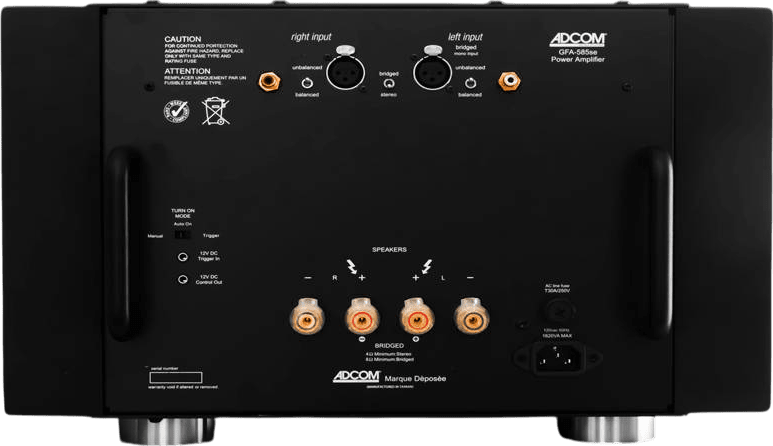
- High power output
- Great sound
- Low noise
- Connectivity options
Product Considerations
- Lack of protection circuitry
- Users should never make any changes to input or output connections while the amplifier is turned on
- Under no circumstances should the speaker terminals be short-circuited or either of the speaker terminal(s) be connected to ground
- The storage capacitors inside continue to be 'powered-up' for many minutes after it's turned off
- The Adcom GFA-585se proved to be unstable into a highly reactive load, meaning it is not recommended for use with electrostatic speakers
Takeaway: The Adcom GFA-585se provides a lot of power and great sound for the price. It's a good option for anyone looking for a high-quality amplifier.
Video review
About the brand


What reviewers think
Video review
About the brand

What reviewers think
Video review
About the brand
What reviewers think
Video review
About the brand

What reviewers think
Video review
About the brand
What reviewers think
Video review
About the brand

What reviewers think
Video review
About the brand

What reviewers think
Product Strengths
- Impressive clarity, tighter bass, and more pinpoint accuracy of instruments in the soundstage compared to the SET 600
- Great dynamic range, definition, and transparency, while maintaining the nuances and details of the original music recording
- Designed to run cooler and last longer
- Relative bargain for its performance level
- Always sounded musical, a presentation which engaged the listener with music rather than calling attention to the gear
Product Considerations
- A pair of amplifiers can provide enough power to damage almost any speaker system if carelessly used
- Tone and timbre were not as rich and voluptuous as the reviewer tends to prefer, there seemed to be less meat on the bone
- One of the five-way speaker binding posts spun when tightening spades, but there were no electrical or other performance issues from that
Comparisons (according to reviewers)
- Compared to Audio by Van Alstine SET 600, the DVA M750 has more power, a quieter presence, more clarity, tighter bass, and even more pinpoint accuracy of instruments in the soundstage
- Compared to Pass Labs XA30.8, the M750s are slightly more intense sounding
Takeaway: The DVA M750 Monoblock is a powerful amplifier with finesse and a large, quiet soundstage presented with exceptional clarity. It delivers a compelling and engaging musical experience.
Video review
About the brand

What reviewers think
Product Strengths
- Tremendous resolution and retrieves a high level of detail and nuance
- Excellent bass control, clarity, slamming dynamics, and speed
- Soundstage width and depth are exceptional, and the amplifier adapts the soundstage to the quality of the recording
- Aesthetics and construction are top-notch, giving a feeling of quality and value
- Designed to impart little or none of its own character on the sound of the incoming signal
Product Considerations
- Tonal neutrality can reveal flaws in recordings, making some sound less appealing
- Overall sound character can be somewhat dry
- Aftermarket power cables may not be worth the investment, and money could be better spent elsewhere
- Very heavy, weighing 220 lbs each
Comparisons (according to reviewers)
- Vs darTZeel NHB-458: The 2150 has greater clamping force on woofers, speed, transparency, and resolution of detail, but the darTZeel has more music's liquidity and natural flow
Takeaway: The Boulder 2150 is a spectacular amplifier that offers exceptional resolution, control, and clarity, making it a top-tier choice for audiophiles. Its neutral character allows for hearing recordings with great transparency.
Video review
About the brand

.png)
What reviewers think
Product Strengths
- Massive power output, capable of driving difficult speaker loads.
- Improved clarity, detail, and control improve the sound of various speakers.
- Very good noise floor, with a sonically neutral character, imparting minimal coloration to the sound.
- Built with high-quality components and backed by Bryston's 20-year warranty, indicating long-term reliability.
- Balanced (XLR) and single-ended (RCA) audio inputs provide flexibility in system connectivity.
Product Considerations
- Large and heavy amplifier, which may pose installation challenges.
- Updated faceplate might be considered understated or industrial-looking by some.
- Rear grab handles may look a little dated.
- Can get warm and requires adequate ventilation.
- Matching with other components may require care due to its neutral and smooth character.
Comparisons (according to reviewers)
- The Bryston 14B³ outperformed the Rotel in overall dynamic range, clarity, and authority.
- It has better focus and midrange clarity and is more transparent than the Bryston 4B Cubed.
- The 14B Cubed performed considerably better, turning in a more appealing performance than the NuPrime ST-10.
Takeaway: The Bryston 14B Cubed is a powerful and refined amplifier that brings improved clarity and control to any audio system and provides a neutral sound. With its robust build quality and long warranty, it's a great choice for anyone looking for a reliable and high-performing amplifier for a long time.
Video review
About the brand
What reviewers think
Product Strengths
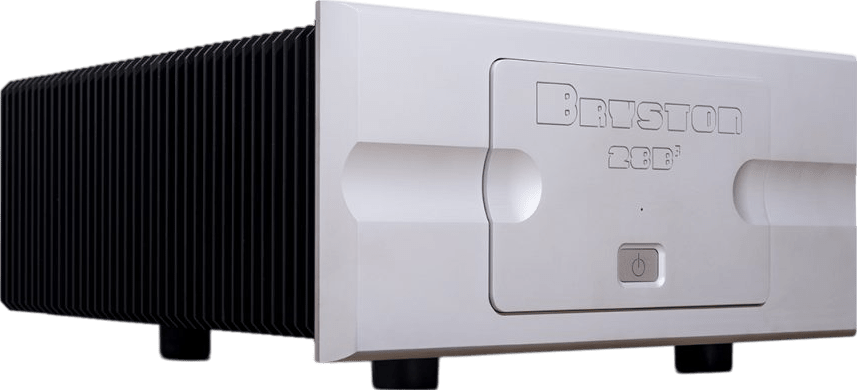
- Exceptional build quality
- Incredible bass
- (Connectivity moved below)
- Connectivity options include balanced XLR, single-ended RCA, and trigger inputs
Takeaway: Bryston's 28B Cubed Power Amplifiers exhibit exceptional build quality and deliver incredible bass. Connectivity options include balanced XLR, single-ended RCA, and trigger inputs.
Video review
About the brand
What reviewers think
Product Strengths
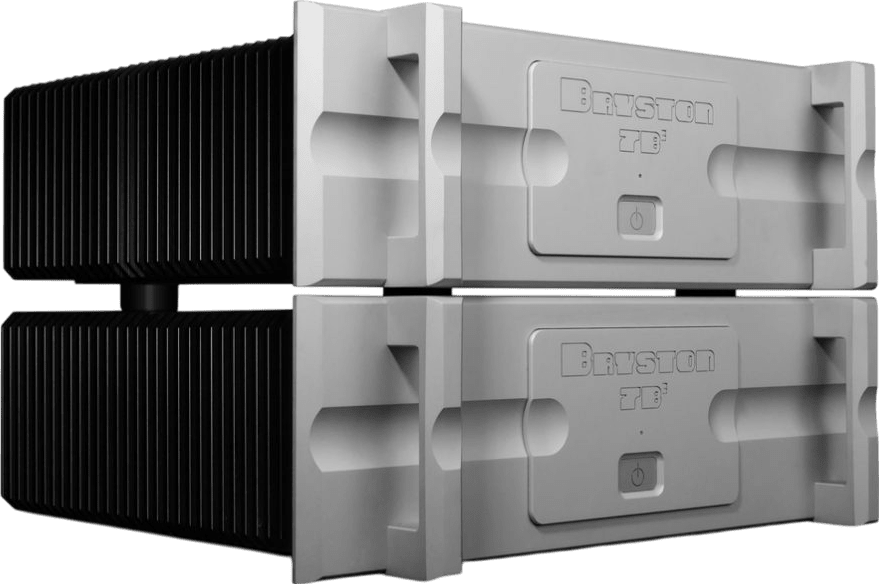
- Delivers 600 watts into 8 ohms (900 into 4), providing virtually perfect freedom from overload on any type of speaker
- Assures an amazing degree of transparency, musicality, and ease of listening
- Offers a wide, tall, and reasonably deep soundstage
- Rhythmic drive and momentum are fabulous
- Bryston offers a 20-year transferable guarantee if regularly purchased
Product Considerations
- The 17-inch version lacks the premium look of the 19-inch version
- Three-dimensional properties sometimes cannot compete with solid-state power amplifiers with a higher price
- Requires a burn-in period of approximately 150 hours to sound its best
- May reveal flaws in the existing audio system due to its high resolution
Comparisons (according to reviewers)
- Vs Bryston 4B3: The 7B3 plays with a more open and refined character and is more neutral over the entire frequency range
- Vs Bryston 3B3: The 7B3 is exactly between the 3B3 and the 4B3
Takeaway: The Bryston 7B is a powerful and versatile amplifier that delivers a musically engaging sound with a solid foundation. It offers a long warranty, making it a worthwhile investment for serious audiophiles.
Video review
About the brand
What reviewers think
Product Strengths
- Exceptional sound quality right away that continues to improve
- Capable of uncompressed dynamics at both loud and soft volumes, micro and macro, and doesn't harden or distort when playing loud
- Can handle big scale, orchestral, beautiful music to really raw, crazy metal music, all played convincingly at loud and soft levels
- New details are revealed without being hyper-analytical, sterile, or harsh
- Built like military materiel
Product Considerations
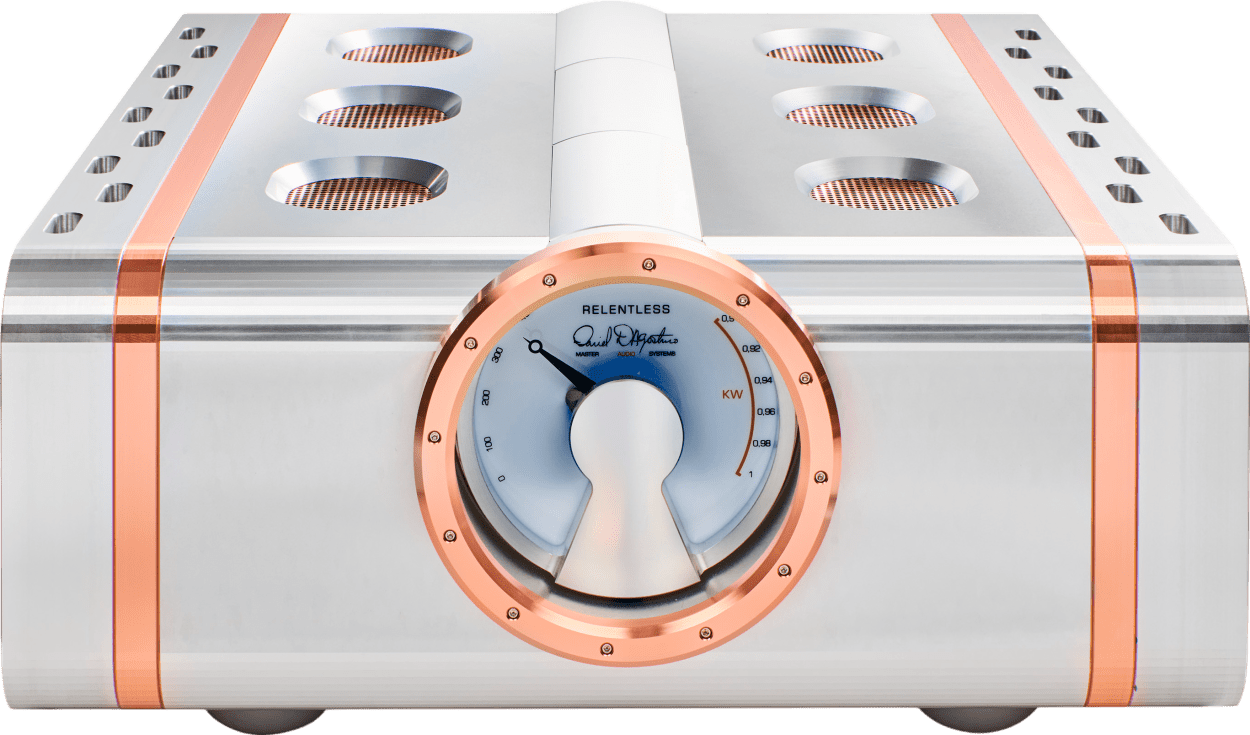
- Each monoblock weighs 145kg, so owners will welcome assistance when receiving it
- Inputs are on balanced XLR only, while the solid copper speaker terminals are designed for spade lugs, not 4mm bananas
- The Breguet watch dial-inspired meter's 'time-keeping' is less accurate
Takeaway: The D'Agostino Relentless 800 reproduces a wide range of music genres with detail and dynamics, offering an immersive and enjoyable listening experience. It brings out the best in music.
Video review
About the brand


What reviewers think
Product Strengths
- Delivers appropriate power to the speakers at all times while countering the back-EMF from the drivers
- Achieves a unified, holistic, natural sonic picture
- Commands alacrity and dynamic liveliness, reproducing transients with explosive power
- Has a tonal accuracy throughout the frequency spectrum, ensuring proper weight in the bass region and endowing the treble with a delightful mellifluity
- The sound is more supple, more liquid, and noticeably more 'wraparound' three-dimensional, without turning soft
Product Considerations
- Those who demand more tight-fisted control and bottom-end 'slam' might look toward something else
Comparisons (according to reviewers)
- The NHB-468 is better than the NHB-458, with more spaciousness and attack subtlety
- The CH Precision M1.1s produce more weight and punch on bottom
- Boulder amps tend to have more overall speaker grip
Takeaway: The NHB-468 is a powerful amplifier that delivers a unified, holistic, and natural sound. It is attractive to listen to and look at, making it a great choice for those who want high-quality audio.
Video review
About the brand
What reviewers think
Video review
About the brand
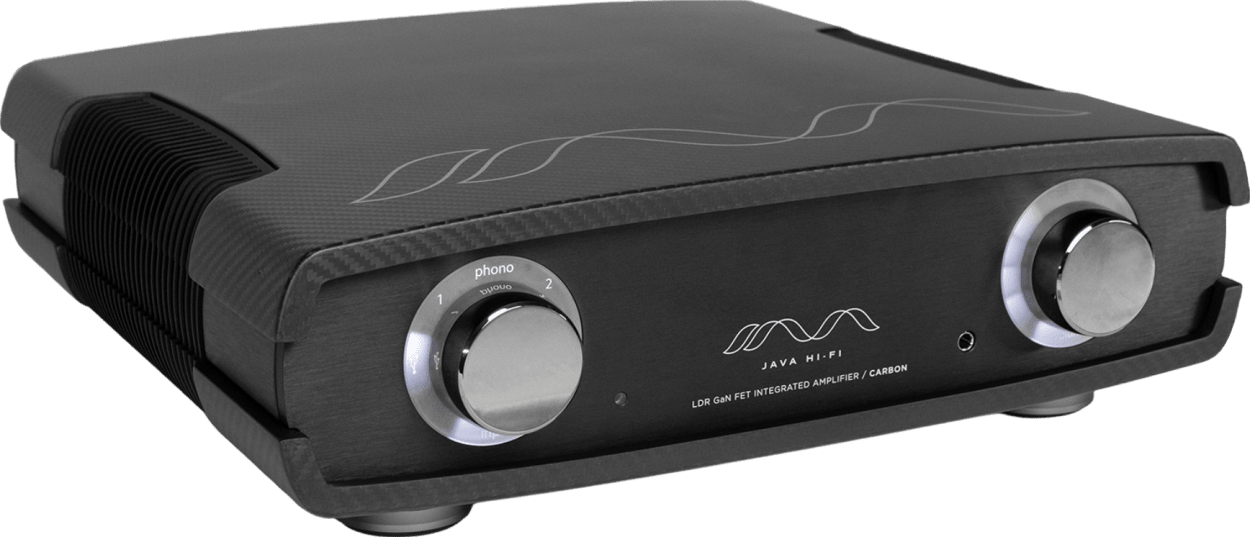
What reviewers think
Product Strengths
- Delivers a tight, coherent musical pace with stellar clarity
- Achieves a significant amount of the three-dimensional characteristics of tubes with the sonic slam and control of solid-state amplifiers
- Delivers subtle texture and nuance when required and high sound pressure levels without losing composure
- The amplifier's ability keeps instruments locked in their own spaces without ever losing focus
- Fast and neutral sound that appears to be true to the source
Product Considerations
- The volume knob is not very responsive at first use, which can be annoying initially
- The remote is functional, but not as aesthetically pleasing as the amplifier itself
- The DAC only has a USB input
- It's a fingerprint magnet
- No MC phonostage
Comparisons (according to reviewers)
- The Double Shot power amplifier takes clarity and pace further than the Single Shot integrated, because of its larger, dedicated power supply
- Compared to Boulder or Constellation amplifiers, the Double Shot has the least colored tonality
- Compared to the Merrill/Lab 12 partnership, the Double Shot integrated was perhaps better sounding overall—a little less quick and a little softer around the edges
Takeaway: The Java Double Shot is a stylish and powerful amplifier that delivers neutral and detailed sound. It has useful features like a DAC and phono stage to enjoy all music sources.
Video review
About the brand


What reviewers think
Product Strengths
- Dynamically potent and one of the most transparent-to-the-source components
- Huge power reserves meant that, at all times, it loafed while driving the relatively sensitive Wilson Audio MAXX 3s
- Produced a neutral full-range balance
- Meticulous attention to detail will give one insight into the time and effort that goes into building world class amplification
Product Considerations
- If speaker cables have angled spade lugs, the screw-downs will interfere with the spades, making it difficult to fully insert and tightly secure the spades
- High-frequency transients were slightly soft compared to the soulution
- Though bass response driving the Wilson Audio MAXX 3s was complete in terms of extension, texture, and finesse, it was less than fully developed in punch and forward thrust
- It indicates a need to choose appropriate cables for use with this amplifier
Comparisons (according to reviewers)
- It neatly threads the needle between the soulution's cool speediness
- It neatly threads the needle between the VTL's assertive top end
- It neatly threads the needle between the Musical Fidelity's warmer—if less resolving—sound
- Compared to Music Reference, it was simply 'there' in that whatever sonic character it had was not immediately obvious
- The 9011 is capable of delivering three times the long-term power output and twice the short-term current delivery compared to the MBL Reference 9007
Takeaway: The MBL Reference 9011 is a powerful amplifier that offers a transparent and neutral sound, making it a great choice for audiophiles who want to experience their music without coloration. With its ability to drive speakers effortlessly, the 9011 ensures a great amount of listening enjoyment.
Video review
About the brand
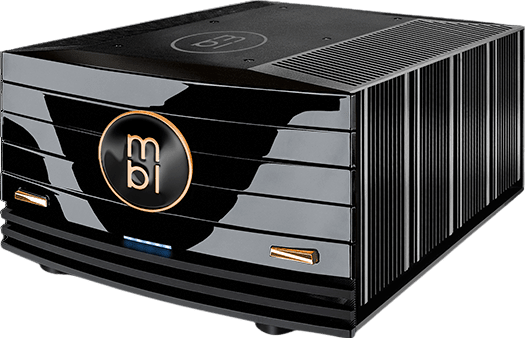
What reviewers think
Video review
About the brand

What reviewers think
Video review
About the brand
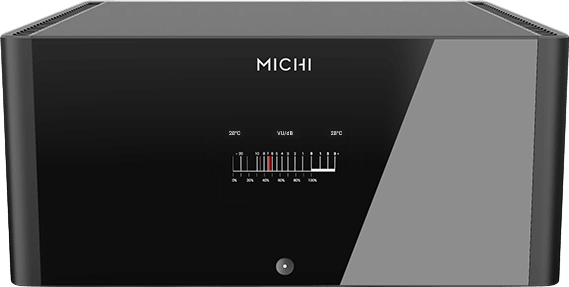
What reviewers think
Product Strengths
- High power output, capable of driving demanding speakers (1080W into 8 ohms, 1800W into 4 ohms)
- Neutral sound signature that does not artificially enhance or diminish recordings
- Low noise floor allows subtle micro-details in music to be heard clearly
- Exceptional build quality with high-grade materials and meticulous attention to detail
- Visually appealing with a modern industrial design and a high-resolution display that can show various information
Product Considerations
- Bass notes may lack weight at lower listening volumes
- Speakers with a minimum impedance of 4 ohms are required, according to the warning on the back panel
Comparisons (according to reviewers)
- Vs Simaudio Moon Evolution W-7M: The M8 produces slightly more air around instruments, while the W-7M sounds cooler, denser, and more vibrant; the W-7M has the advantage in aural imaging, consistently drawing images with more solidity and razor-sharp outlines, while the M8 paints more of a holographic—faintly diffuse-sounding—overall picture
- Vs darTZeel NHB-468: The M8 reveals details without twisting the spectral or transient balances and without producing even a hint of etch or upper midrange glare, like the darTZeels do
Takeaway: The Rotel Michi M8 is a powerhouse amplifier that combines exceptional power with a neutral and detailed sound, allowing one to enjoy music with clarity and control. Its impressive build quality and elegant design will provide pride of ownership for years to come.
Video review
About the brand
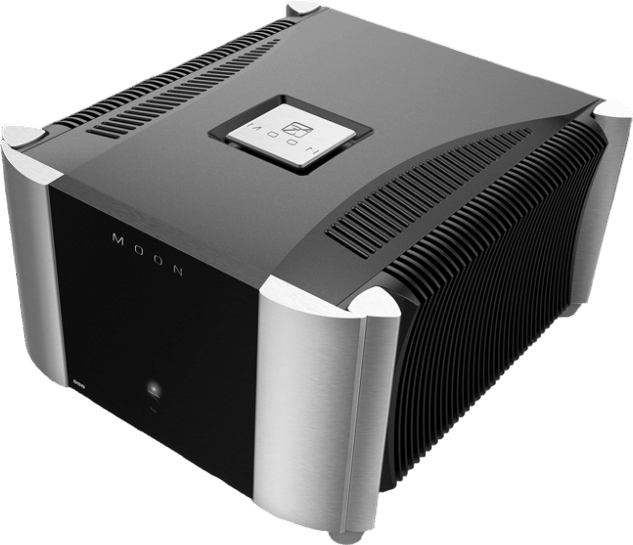

What reviewers think
Product Strengths
- Heroic construction quality, so sturdily built that it could support a person's weight
- Uses reference-quality, no-expense-spared parts
- Delivers pristine rendering, preserving and detailing all of the recording's crystalline threads without smear or glaze
- Sound quality is beyond anything else that has been heard, with velvety smooth, airy, and dynamically effortless sound that relentlessly communicates balance, refinement, and unrestricted power
- Demonstrates exceptional grip and control over speakers, resulting in a seismic shift in sound quality
Product Considerations
- Consumes a relatively low 50W at idle, but its prodigious power output and linear power supply mean that it won't be the most energy-efficient device
- Any equipment review is built only on the shaky foundation of the review sample's interactions with the system's other components
- One of the amplifiers went into protection a couple of times while driving a pair of speakers during measurements
- Requires a robust electrical setup, potentially needing a 220-240V supply of AC and a pair of 20A power cords to achieve its maximum power output
Comparisons (according to reviewers)
- Vs darTZeel NHB-458: Produced 'blacker' backgrounds and more air, without sacrificing the rich sheen of strings
- Vs Boulder Amplifiers' big 2150 monoblocks: Sounded different
- Vs MOON by Simaudio 880M: Sounds similar, albeit with greater nuance, grace, and finesse, especially in the upper octaves—and greater transparency overall
Takeaway: The MOON by Simaudio 888 is a well-crafted amplifier that delivers pristine audio quality and exceptional power for an immersive listening experience. With its robust build and refined sound, it offers a high-end solution for audiophiles seeking top-tier performance.
Video review
About the brand

What reviewers think
Product Strengths
- High power output allows driving inefficient speakers to large-scale sonic magnificence, even in big rooms
- Microprocessor technology eliminates problems plaguing older multi-tube designs
- Automatic biasing for each tube
- Fault-sensing system can detect if a tube is about to blow and shut it down
- Music is delivered with detail, suppleness, authority, and finesse from top to bottom, no matter the speakers used
Product Considerations
- There's a slightly higher noise floor than its solid-state competitors
- Owners need to be able to handle the amplifier's sheer size and weight of 200 lbs
- Damping factor should be optimized for specific speakers
- May not provide the ultimate in precision and delineation, or the tautest possible control in the bass, compared to solid-state amplifiers
Comparisons (according to reviewers)
- Vs darTZeel NHB-458 monoblocks: The Siegfried II's midband was rich and attractively creamy, while the darTZeel's midband was somewhat less so, but was not at all thin or bleached
- Vs original Siegfrieds: The Siegfried Series II Reference is a huge improvement over the original in every performance parameter
- Vs VTL's MB-450 Series III Signature: The Siegfried IIs could play 'small' and fast, sounding similar to VTL's MB-450 Series III Signature, but with more power, grip, and slam
- Vs Dan D'Agostino Momentum monoblocks: The Momentums stomped all over the original VTLs, which sounded veiled and lackluster overall
- Vs Top-drawer solid-state amplifiers: The top-drawer solid-state amplifiers will not match the Siegfried in midrange magic and suppleness
Takeaway: The VTL Siegfried II is a powerful tube amplifier with modern technology that delivers a grand and sophisticated sound with a touch of tube magic. It is a user-friendly amp that should provide years of listening pleasure, especially when paired with quality speakers.
Video review
About the brand


What reviewers think
Video review
About the brand

What reviewers think
Video review
About the brand

What reviewers think
Video review
About the brand

What reviewers think
Video review
About the brand

What reviewers think
Video review
About the brand

What reviewers think
Video review
About the brand

What reviewers think
Video review
About the brand

What reviewers think
Video review
About the brand


What reviewers think
Video review
About the brand
What reviewers think
Video review
About the brand
What reviewers think
Video review
About the brand
What reviewers think
Video review
About the brand

What reviewers think
Product Strengths
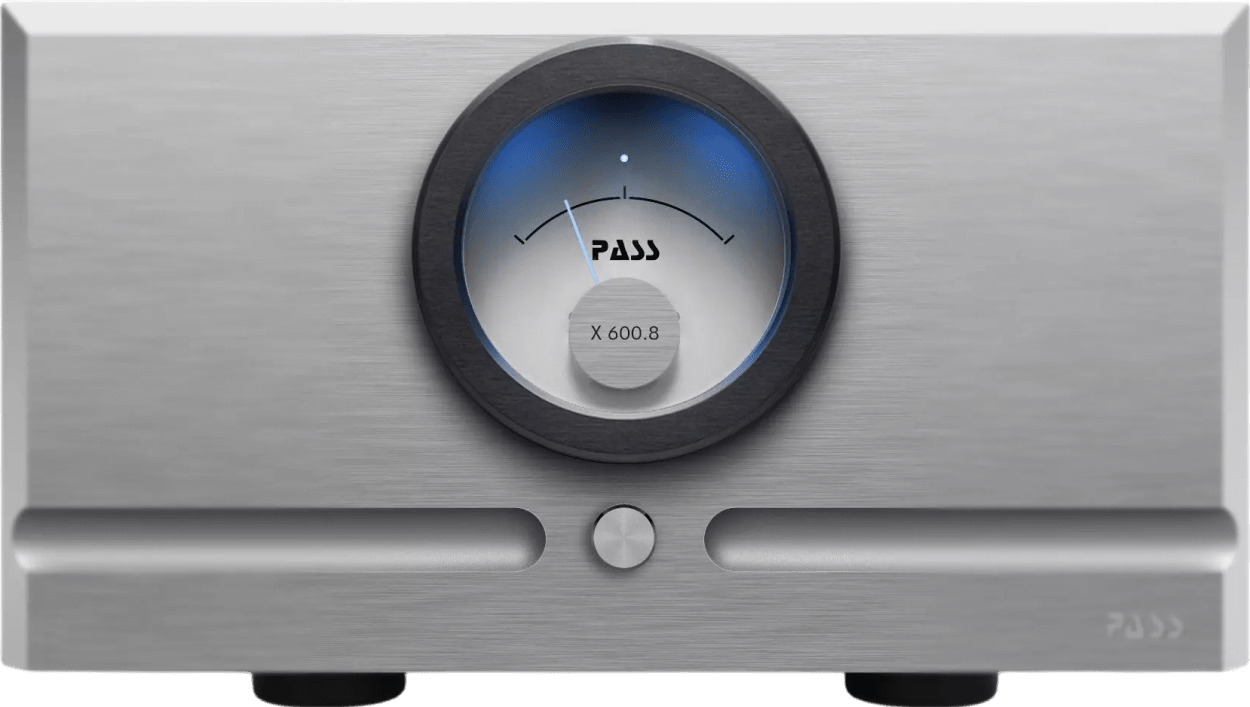
- Sounds very similar to Pass Labs' top-of-the-line Xs series
- Effortless sound quality, even at full tilt, alongside a weight, solidity and unusual sense of depth
- Portrays musicians and their instruments as 3-D, full-size entities, realistically positioned left-to-right and front-to-back across the soundstage
- Offered better-defined lower bass, more weight, and a fuller midrange
- Massive build quality
Product Considerations
- Gets very warm during use due to Class A bias
- Sharp heat fins on the sides mean users should be careful to avoid injury
- Some reviewers indicate that stock power cable may not deliver peak performance
Comparisons (according to reviewers)
- Vs. Pass Labs Xs 300: Has less bass slam and a bit less 'sheen' on musical instruments in the high frequencies
- Vs. Merrill Thor mono blocks: Had better-defined lower bass, more weight and a fuller midrange, and wider perceived dynamic range, but the Thors had a slight edge in overall smoothness
- Vs. Krell units: Had superior bass slam, but showed their age in nearly every other category
Takeaway: The X600.8 is a powerful amplifier that delivers a high-end listening experience with a remarkable and full-bodied presentation. It offers stunning depth with realistic instrument layering, making it a worthwhile audition for serious audiophiles.
Video review
About the brand

What reviewers think
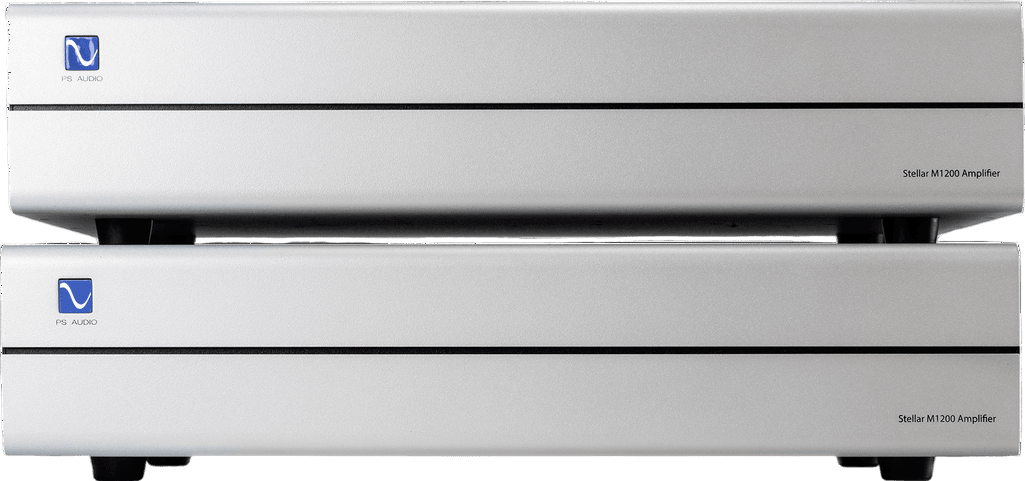
Product Strengths
- Exceptional power and headroom providing effortless dynamics and control, even with demanding speakers
- Detailed and controlled bass
- Wide and deep soundstage
- The combination of a tube input stage and Class D output is viewed positively, offering a blend of warmth, musicality, and power
- Clean and musical sound reproduction
Product Considerations
- Potential for treble thinness or brightness, depending on the source material or system setup
- The amplifier requires a significant break-in period (200+ hours) to reach its optimal sound quality
- Due to the balanced output, caution is advised when connecting powered subwoofers or other active components to the speaker terminals, and one must consult the manual
- Some units may benefit from tube dampers
- Positioning the monoblocks side-by-side rather than stacked for optimal sound quality is recommended, and they can benefit from isolation and vibration damping
Comparisons (according to reviewers)
- The M1200 has more dynamic range, impactful bass, and detail than the Pass Labs XA30.8, while the XA30.8 is warmer, lusher, and smoother
- The CODA CSiB is more neutral, but the M1200 is more dynamic and has better bass control
- Compared to the Stellar M700, the M1200 produces a larger sense of space and scale—and a more profound bass response
Takeaway: The PS Audio Stellar M1200 is a powerful and refined amplifier that combines the best of tube and Class D technologies to bring a realistic sound. It is well-rounded with high headroom and impactful bass that creates excitement in the music.
Video review
About the brand
What reviewers think
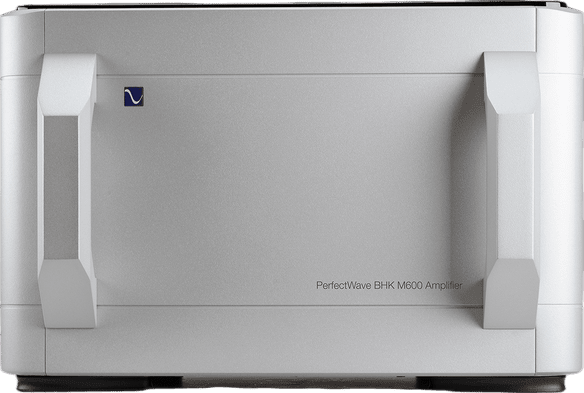
Product Strengths
- Exceptional dynamic capabilities, reproducing transients without clipping or crushing the sound, which leads to a more relaxed and natural sound
- High frequencies have purity and naturalness, erring slightly on the side of being soft, which compensates for potential harshness in other components
- Powerful, with 600 watts into 8 ohms and 1200 watts into 4 ohms, providing ample power reserves for reproducing dynamic musical passages
- Soundstaging is a strong point, with a wide and deep stage and accurate positioning of performers
- Hybrid design combines a tube input stage with a MOSFET transistor output stage for a unique cohesiveness, achieving warmth, rich mids, and natural highs
Product Considerations
- Large and heavy (108 pounds each), requiring ample space and making them difficult to move
- Generates a fair amount of heat, requiring a well-ventilated or air-conditioned room
- Tubes in the input circuit will need to be replaced every few years
- Due to their size and thermal properties, they are not suitable for placement in enclosed spaces or equipment racks
- The packaging, while nice with casters, may get damaged during shipping
Takeaway: The PS Audio BHK600 monoblock amplifiers are powerful and deliver a relaxed yet dynamic sound. The BHK600 is a serious piece of hifi equipment that should be a great fit for audiophiles.
Video review
About the brand
What reviewers think
Video review
About the brand
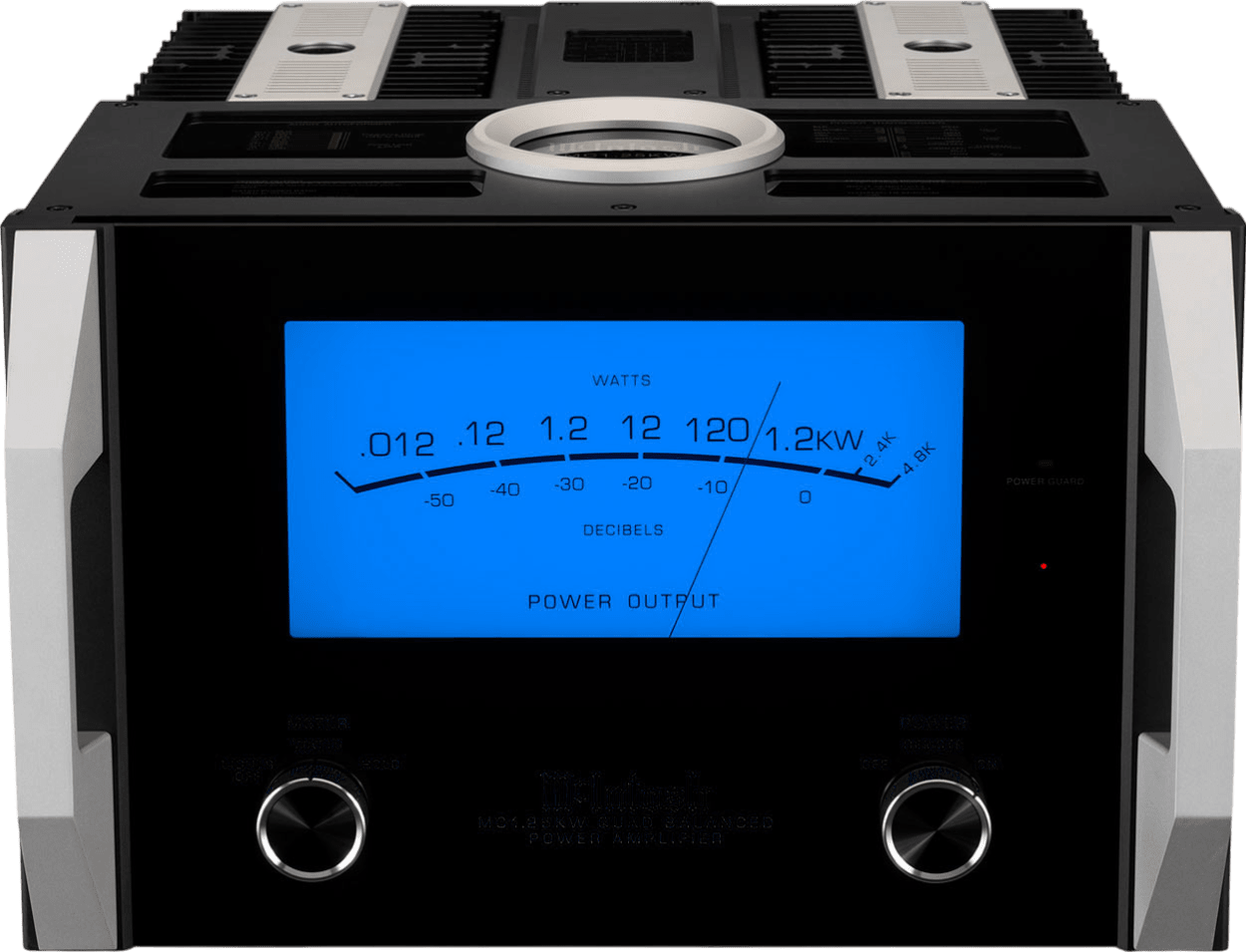
What reviewers think
Product Strengths
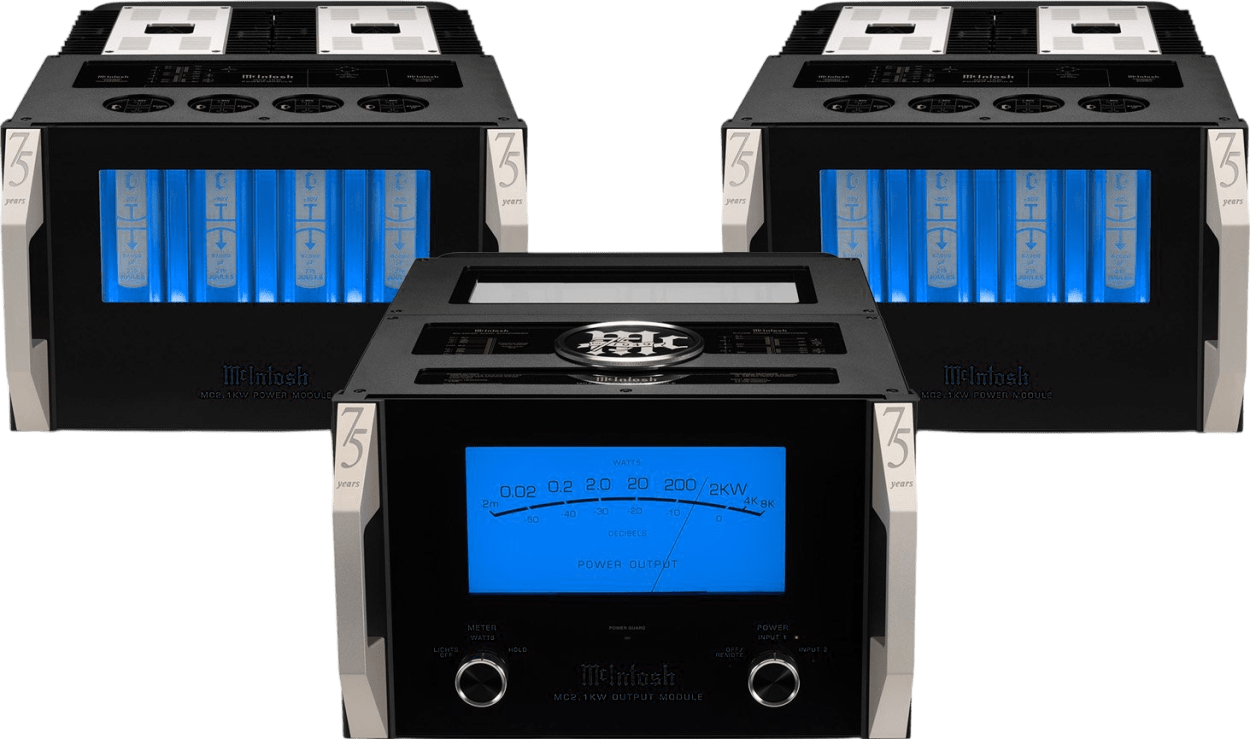
- Massive power and stability, capable of driving virtually any speaker safely and powerfully
- Very low noise floor allowing for stunning dynamic range and the ability to reproduce quiet passages with clarity
- Unique Quad Balanced design cancels out noise and distortion, resulting in a clean and powerful signal
- Updated industrial design with aluminum accents, a larger meter, and handmade construction with high-quality materials
- Involving and emotional, drawing listeners into the music
Product Considerations
- High price point
- Each monoblock weighs 158 pounds and is quite large, requiring dedicated amp stands and careful placement
- The vertical IEC power receptacle might be strained by the weight of heavier power cords
- Sounds best when paired with a high-quality preamp like the D'Agostino Progression to maximize its potential
Comparisons (according to reviewers)
- The MC1.25KW is more emotionally involving and forgiving, whereas the D'Agostino Progression Monoblocks are more precise and revealing of recording flaws
- The MC1.25KW offers more dynamic headroom, upgraded parts, refreshed design, and improved lighting compared to the MC1.2KW
- The MC1.25KW has a warmer, richer sound compared to the Merrill Audio Element 118
- The MC1.25KW offers similar unrelenting power to the Simaudio Moon Evolution 888, though the 888 is quieter
Takeaway: The MC1.25KW is a powerful and well-engineered amplifier that delivers a dynamic and engaging listening experience. It is a top-tier choice for audiophiles seeking exceptional performance and a touch of classic McIntosh sound.
Video review
About the brand
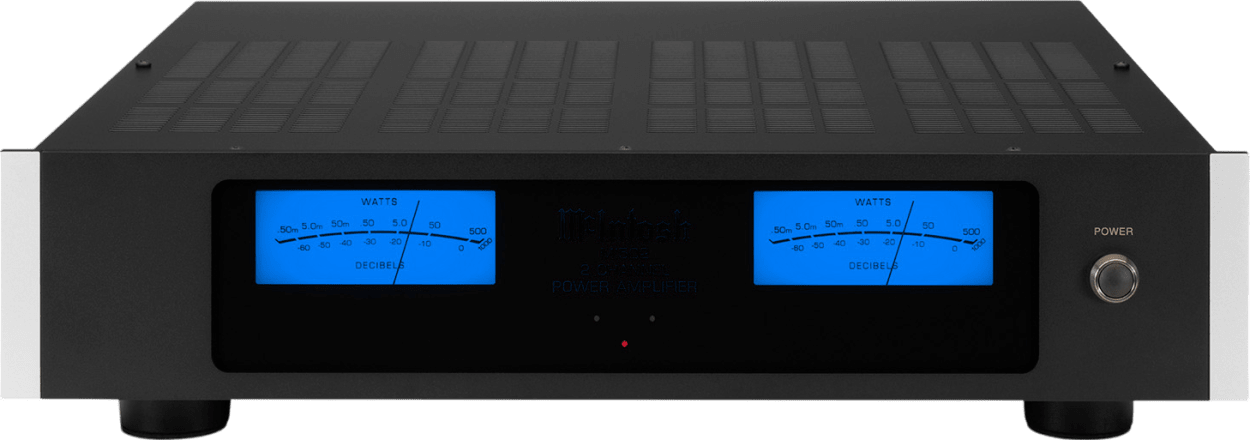
What reviewers think
Product Strengths
- Tangible feeling of pure power and speed of delivery
- Clean, neutral performance
- Fulsome, fast, and fun sound
- Thrillingly responsive to the dynamics of a sound mix
- Drive needed to partner floorstanders hungry for power
Product Considerations
- Chassis depth is a considerable 533mm
- Low-end delivery may not be the best compared to some rivals
- Green/blue aesthetic might not be for everyone
Takeaway: The MI502 is a powerful and responsive amplifier suitable for various applications and it looks good. It offers clean and neutral performance, making it a great choice for someone wanting to get a new amplifier.
Video review
About the brand
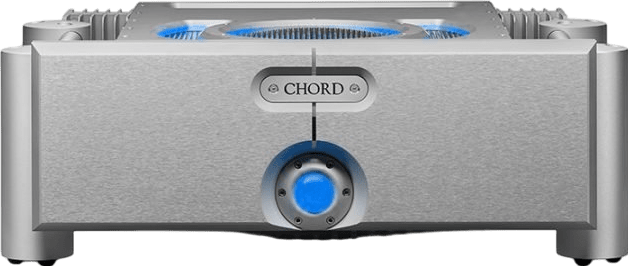

What reviewers think
Video review
About the brand
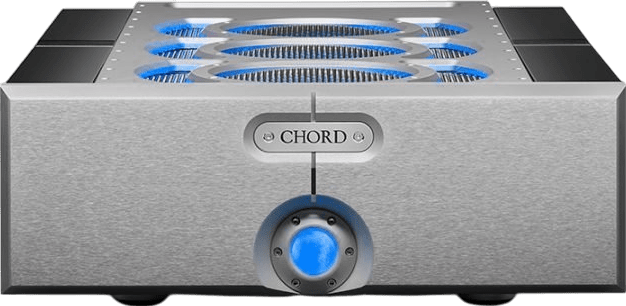
What reviewers think
Product Strengths
- Faultless finish, beautiful rather overt styling, immaculate assembly, and a massive 28mm CNC-machined front plate provide a sense of confidence in the engineering
- The Ultima 2s grabbed and held in total control, providing stunning bass detail and tightness
- Superb separation of instruments with a rare mix of stunning resolution with inherent smoothness and textural richness
- An intensely inherent quietness allows every low-level intricacy to be fully realised
- Boundless amounts of raw power for the most demanding of crescendos
Product Considerations
- Requires 15A wall socket outlets due to the 15A IEC socket
- The amplifiers' top panel's circular grille-protected 'Ring' has an internal light show that might be considered overstated by some
Takeaway: The Ultima 2 monoblocks are beautifully styled and advanced in terms of circuitry and engineering. They offer an enlightening sound experience for those seeking high-quality audio.
Video review
About the brand
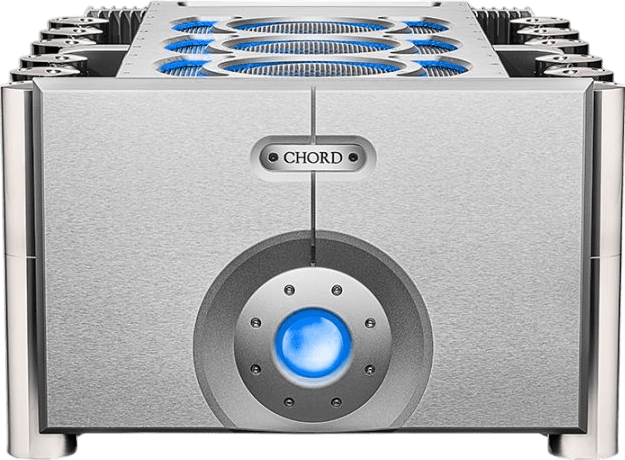
What reviewers think
Product Strengths
- Offers a remarkably smooth, unforced, and natural presentation with a touch of warmth
- Excels in detail retrieval and textured presentation of instruments and vocals, making the music feel alive
- Presents a wide and holographic soundstage, especially when paired with speakers that are already strong in this area
- Demonstrates agility, precision, and clarity, combined with a naturalness that eluded earlier generations of Chord amplifiers
- Scales dynamically and has the ability to punch hard when required
Product Considerations
- Has a minimalist design with just four line-level inputs, lacking features like phono stages, tone controls, headphone outputs, or DAC modules
- Some may find its sonic signature prioritizes articulation over qualities such as richness and authority, potentially sounding thin if partnered poorly
- Balance control has no center indent or marked position
- The polychromatic lighting may be an issue for the color-blind
- Remote operation can be affected by direct sunlight
Comparisons (according to reviewers)
- Vs Rega Elex-R Mk3, the Chord Ultima Integrated delivers undeniably elevated sound in all respects, with greater dimensionality and smoother vocals
- Vs Bryston 7B 3 monoblocks, the Chord Ultima Integrated offers a weightier and more thunderous delivery, especially in the midrange and vocals, with more inner warmth in tone
- Vs Benchmark AHB2, the Chord Ultima Integrated provides a more energetic and fun listening experience, with Thor-like bass impact and overall superior dynamics
- Vs Accuphase E-270, the Chord Ultima Integrated is warmer, rounder, more powerful, and refined, with a more fluid and emotionally engaging performance
Takeaway: The Chord Ultima Integrated is a unique and well-built amplifier that combines a visually pleasing design with a captivating sound, full of detail and dynamic precision. It brings music to life with an engaging and immersive experience, making it a worthy addition to any audiophile's setup.
Video review
About the brand
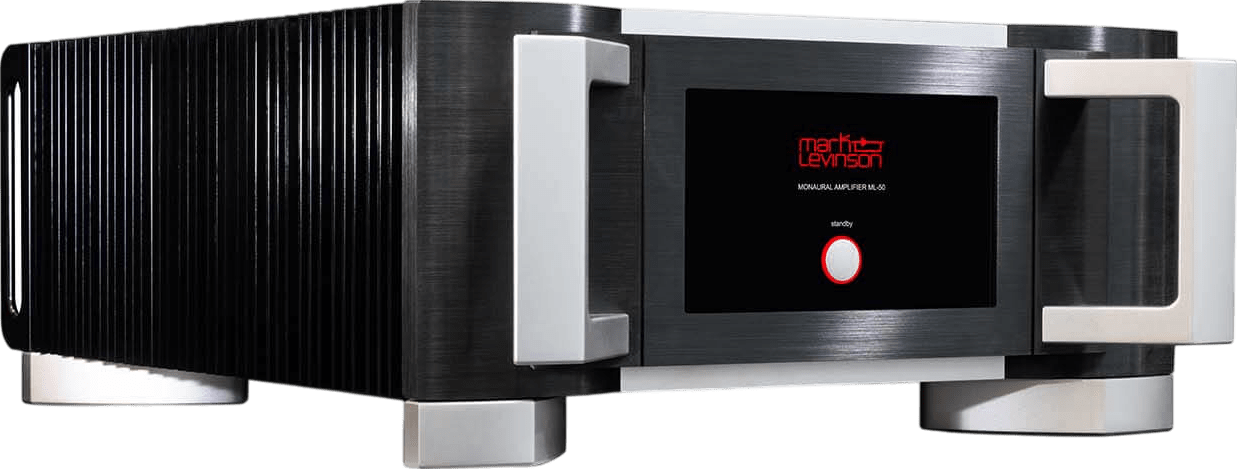

What reviewers think
Product Strengths
- Pleasing and natural sound at lower listening volumes, reminiscent of tube amplifiers
- Remarkable level of dynamic control over the loudspeaker load, even when pushed to high volumes, resulting in no perceived distortion, sibilance, or unpleasantness
- Warm and engaging sound stage with clarity in imaging and separation of musical elements
- Capable of handling massive dynamic shifts without compromising its panoramic soundstage—showing immense grace under pressure
- Design ensures efficient heat dissipation through convection cooling, ensuring optimal thermal management
Product Considerations
- No functionality to allow for dimming of the internal lighting, which could prove problematic in some light-sensitive home theatre configurations
Comparisons (according to reviewers)
- Vs McIntosh MC1201 monoblocks: Hard to notice a difference in their performance, even at insane listening levels, despite the McIntosh having a much higher power rating
Takeaway: The ML-50 is a visually stunning and technologically advanced amplifier that produces a lovely, subtly warm tonality whilst still sounding crystal clear. It is neutral yet detailed enough to handle any genre of music, making it a worthwhile investment for audiophiles seeking a no-compromise system.
Video review
About the brand

What reviewers think
Product Strengths
- The ratio of power output to size and weight is remarkable
- An internal heat-pipe cooling system allows multiple units to be stacked
- The M1 is mechanically silent
- It offers immense power reserves and complete control over the speakers
- The amplifier doesn't have much character in terms of frequency response aberrations or colorations
Product Considerations
- One reviewer found the initial sound quality 'among the worst-sounding amplifiers' they had ever heard, though this seemed to resolve after a break-in period
- The soundstage can be a touch flat compared to some other amplifiers
- Some listeners might prefer greater air and dimensionality in the high frequencies
- Frequency response may vary in the treble with impedance
- Class D amplifiers can run into trouble because of high-frequency harmonic distortion
Comparisons (according to reviewers)
- Vs Musical Fidelity Titan: The M1 lacked the initial 'shock and awe' bass presence of the Titan, but could deliver subterranean bass when the music demanded it
- Vs Halcro dm68 monos: The M1 was not as groundbreakingly quiet as Halcro, but still very quiet for the price
- Vs Gryphon Antileon Signature: The M1 did not have the lushness of the Gryphon
- Vs Simaudio Moon Evolution W-8: The M1 didn't have as huge a soundstage
Takeaway: The Anthem Statement M1 offers enormous power in a compact size and doesn't impart much of its own sonic character, making it a neutral amplifier. This amp will likely drive any speaker with great control.
Video review
About the brand
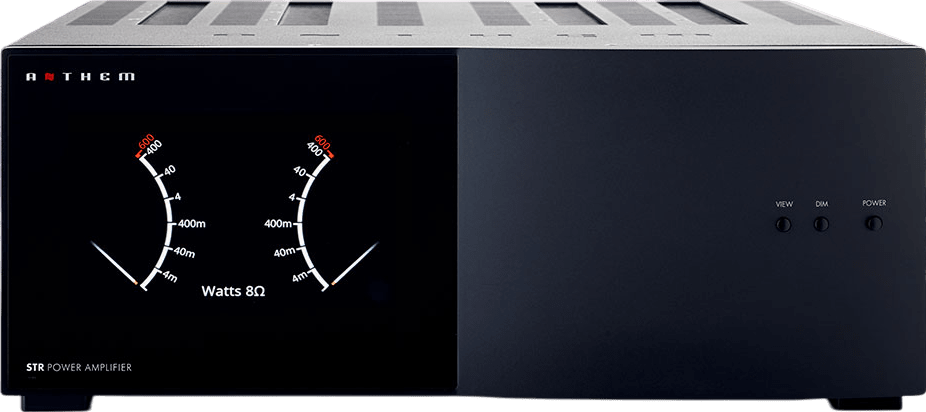
What reviewers think
Product Strengths
- Comprehensive connectivity is offered with a wide array of inputs and outputs, including balanced and unbalanced options
- Anthem Room Correction (ARC) is included, recognized as a highly effective room correction system, contributing to improved sound quality
- A powerful amplifier section delivers ample power to drive a variety of speakers with ease
- Features a high-resolution DAC capable of handling various digital formats
- Customizable settings and virtual inputs are provided for personalized sound preferences
Product Considerations
- The remote control is considered basic
- Menu navigation on the onscreen display (OSD) can be challenging due to the extensive features and customization options
- HDMI connectivity is lacking
Comparisons (according to reviewers)
- The Anthem STR's internal DAC is a bit more capable in the area of strings and percussion
- Reviewers could not discern much audible difference between the STR preamp DAC and Oppo UDP-205
- Spatiality and low-end weight were excellent—STR amplifier compared head-to-head with a far pricier pair of Pass XA60.8 monoblocks
Takeaway: The Anthem STR is a versatile and powerful audio component with effective room correction that delivers great sound for both digital and analog sources. It's a worthwhile investment for anyone seeking high-fidelity audio in a single, feature-rich package.
Video review
About the brand
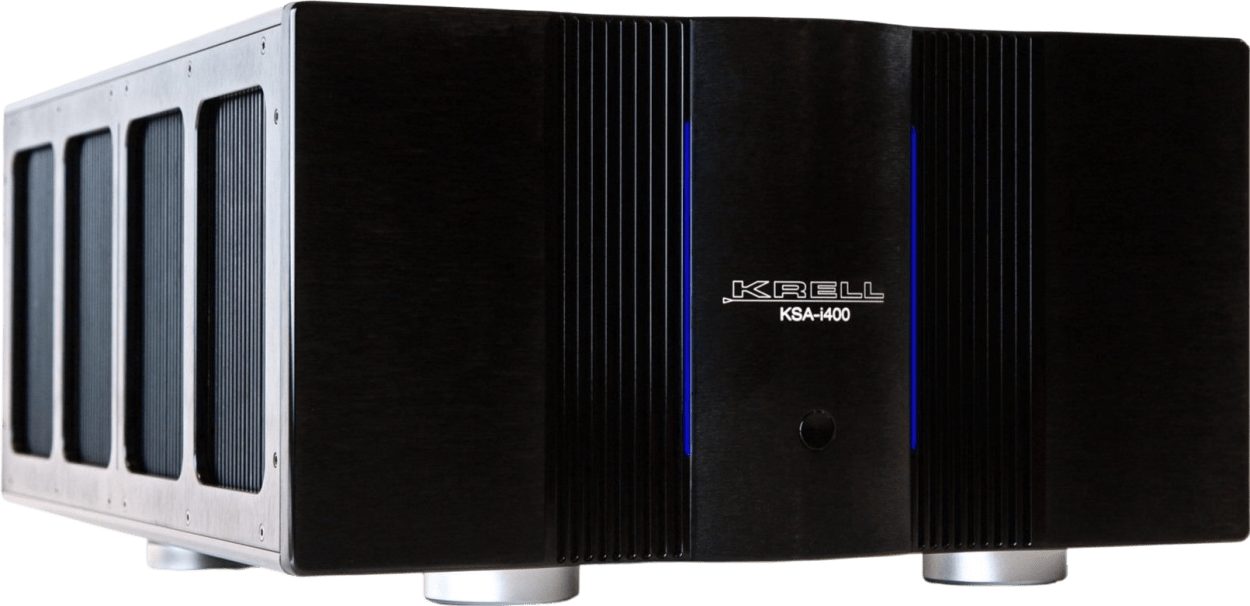

What reviewers think
Video review
About the brand
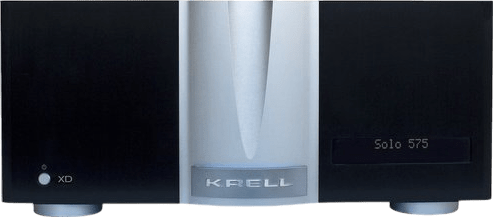
What reviewers think
Product Strengths
- Superior grip on woofers
- Muscular, well-textured bottom end
- Unusually powerful for a class-A amp, outputting a claimed 575W RMS into 8 ohms or 900W into 4 ohms, yet weighing only 70 lbs and having no external heatsinks
- Weight and power were undeniable
- Transient slam and grip on the Wilson Audio woofers took it to another level of excitement
Product Considerations
- Aesthetic design uses a thin, U-shaped cover which is more common for home-theater receivers and processors, suggesting it saves on cost compared to milled-aluminum cases
- LCD screen has a somewhat dated look
- Initial impressions were negative, sounding 'broken: glazed and spatially flat, with weak bass,'—but this was resolved
Comparisons (according to reviewers)
- Vs darTZeel NHB-458 monoblocks, the Solo 575 exerted a superior grip on the woofers of the reviewer's Wilson Audio Specialties Alexandria XLF speakers
- Vs Bel Canto Design's Black amplification system, the Krells had a bottom-end whomp that reminded the reviewer of the Bel Canto system
Takeaway: The Krell Solo 575 is a powerful amplifier that delivers impressive bass control and a muscular sound. It could be a great choice for audiophiles looking for a class-A amp with high power output without the need for massive heatsinks.
Video review
About the brand
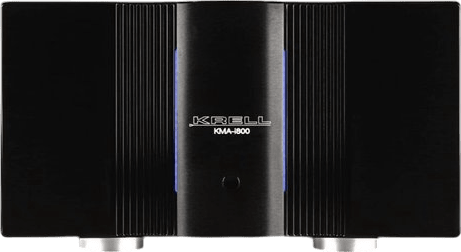
What reviewers think
Product Strengths
- Delivers 800W of class-A power regardless of the speaker load
- Features XD technology that lowers output impedance, resulting in more control over the speaker drivers and improved soundstage depth
- Employs Sym-Max technology to significantly reduce second-order harmonic distortion, bringing out more detail and improving the sense of timing and pacing
- Has a power supply consisting of 5400VA of transformers and 188,000µF of filter capacitance for substantial power delivery
- Offers protection against excess direct current, short circuits, and voltage sags—brown outs
Product Considerations
- It may be too much power for some users
- High idle heat dissipation at 890 btu/hr per channel
Takeaway: The Krell KMA-i800 is a powerful amplifier with technologies that aim to provide a clean and controlled sound. Its high power output helps to improve sound quality even at average listening levels.
Video review
About the brand