Welcome
A pair of bookshelf speakers under $1,000 is the most common first serious purchase, and the choice at this price is wide and good. The brands here have been making this exact product for decades and the designs are mature. Ranked by review count. Under $500, the Q Acoustics, Wharfedale, Dali and ELAC pairs are the usual picks; the rest sit between $500 and $1,000.


Products on this list





What reviewers think
Product Strengths
- Superb value for money in terms of looks, build quality, and sound quality
- Full bass and overall full and bassy sound, impressive for its size and price
- Clear and precise soundstage with good width
- Impressive detail and a coherent, unforced presentation
- Excellent tonal balance with both upper and lower frequencies in sync
Product Considerations
- Mid-range may not deliver a sound to match the bass, with some softening of certain notes or vocals
- Soundstage doesn't rise very high above the physical speakers
- Not the prettiest speaker, with unusual proportions that may not be aesthetically pleasing
- Limitations can be revealed when driven hard
Comparisons (according to reviewers)
- Vs Bowers & Wilkins 606: The 3030i sounds more substantial in its bass
- Vs Q Acoustics 3020i: The 3030i offers a sense of space and air around the soundstage, and bass weight is more substantial
- Vs Martin Logan 15i: The 15i speakers provide an impressive precision that the 3030i speakers couldn't match, but the bass did travel a tad further downwards than the 15i speakers could fall
Takeaway: The Q Acoustics 3030i offers amazing quality at a low price point, making it a terrific value and a perfect first hifi speaker. It is an easy-going speaker that is easy to set up and is very undemanding for a new user on their system quality and setup.
Video review
About the brand

What reviewers think
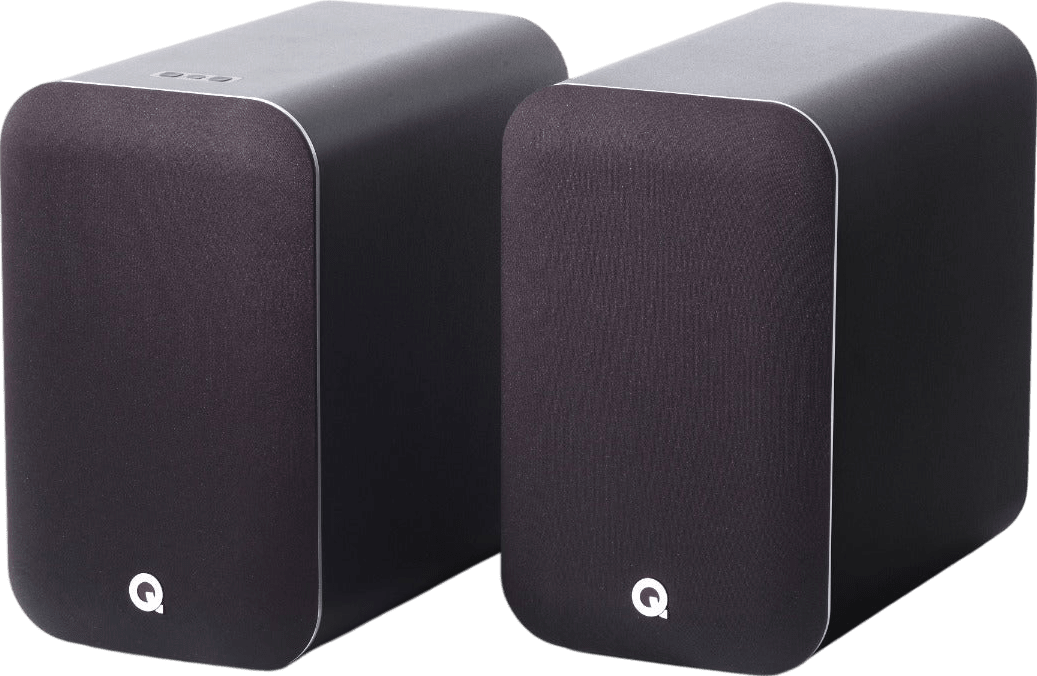
Product Strengths
- Effortlessly detailed and balanced sound
- Excellent stereo imaging and dynamics
- High-quality Bluetooth streaming
- Simple setup and control
- Multiple connection options, including subwoofer output, digital input for TV, and analog inputs
Product Considerations
- No HDMI ARC for seamless control with TV remote
- No dedicated app for adjusting settings
- Bass output may be lacking for some listeners, potentially requiring a subwoofer
- Grilles are non-removable
- Speakers power down after 20 minutes at rest, requiring manual Bluetooth pairing each time
Comparisons (according to reviewers)
- Compared to Ruark Audio MR1 Mk2, the Q Acoustics M20 sounds fuller, louder and less compressed
Takeaway: The Q Acoustics M20 HD speakers offer detailed, balanced sound and are easy to set up with various devices. They're a versatile audio solution for upgrading sound, whether for music, movies, or gaming.
Video review
About the brand


What reviewers think
Product Strengths
- The GoldenEar BRX is a compact speaker that delivers a large, high-quality sound
- The HVFR tweeter contributes to a bright, airy, and detailed presentation
- Authoritative and accurate bass response, even at higher volumes, is achieved thanks to its passive radiators
- It images precisely and soundstages well
- The BRX exhibits a smoothish midrange and relative lack of harshness
- Exceptional engineering, design, and quality control
- The BRX reproduces the timbral and harmonic complexities and spatial qualities of real acoustic settings
- The tweeter is agile, airily transparent, and non-fatiguing, and the critical sibilance range is smooth and natural
Product Considerations
- At lower volumes, the bass can be less pronounced, leading to a leaner tonal balance
- Some reviewers noted a flatter soundstage with less depth and spaciousness compared to more expensive speakers
- The tweeter's output drops significantly when not listening on-axis, requiring careful positioning and stand height
- The BRX requires a fair amount of power to sound confident and alive—needing a more muscular amp
- May sound slightly soft and polite in the high frequencies
- Passive radiators look awkward with the grilles removed
Comparisons (according to reviewers)
- Vs Magnepan .7: The BRX has more bite and sparkle in sitar plucks and harmonics, while the .7s sound slightly muffled, and the .7s have a bigger and more solid sound in the 50Hz-500Hz range, reproducing the Carnegie stage floor better
- Vs KEF LS50: The BRX specializes in reproducing luster and harmonically charged atmospherics, unlike the drier, more precise LS50, and the LS50's notes seem tight and slightly hardened compared to the supple-sounding BRX
- Vs Falcon Acoustics LS3/5a: The BRX goes much louder and deeper than the LS3/5a
- Vs Focal Chora 806: The BRX has punchier, faster bass, and cleaner sound in the complex chorus sections than the Chora 806
- Vs Revel M126Be: The BRX is close to the Revel M126Be in overall sound, particularly in tonal balance, but the Revels go deeper in bass and retrieve a bit more detail
Takeaway: The GoldenEar BRX is an affordable speaker with a well-rounded performance, particularly excelling in clarity, imaging, and bass for its size. For listeners seeking high-end sound without a huge speaker, these could be a suitable choice.
Video review
About the brand


What reviewers think
Product Strengths
- Vocals sound good and natural, and are engaging
- Horns and certain drums, especially snare drums, sound good
- Open speaker with a decent soundstage
- Easy to push with low sensitivity
- Best at sale price
Product Considerations
- Lacks depth with certain types of bass instruments
- Mid-range is not the clearest, and vocals can come off a bit nasally
- Top end can be a little bright, which means some may find it a bit fatiguing for long-term listening
- Does not come with grills
- Limited layering and depth
Comparisons (according to reviewers)
- Compared to the KEF LS50, the Q150 has surprisingly full and pleasant bass, is more balanced, and pleasant to listen to
- Compared to the Emotiva B1+, the KEF Q150 is preferred due to its soundstage depth
Takeaway: The KEF Q150 is a good value, especially when on sale, because it offers an engaging listening experience and good soundstage. These speakers are small enough to fit most spaces and provide good sound.
Video review
About the brand

What reviewers think
Product Strengths
- Rich, warm sound with full bass and precise treble delivers a pleasing listening experience
- Improved detail levels across the frequency range lead to greater sonic maturity compared to predecessors
- Large-scale sound fills the room more than expected for its size and price
- Stylish and refined appearance, with rounded edges and corners, and attractive finish options
- Excellent build quality, with internal bracing and well-engineered design elements to minimize cabinet resonance
Product Considerations
- Deeper-than-average cabinet dimensions can make placement on a bookshelf tricky
- Some reviewers found the chrome surrounds around the drivers less appealing aesthetically, preferring the look with the grilles on
- The soundstage is not as rhythmically precise as some competitors
- Placement near a wall can reduce openness and agility, suggesting they benefit from some space to breathe
Comparisons (according to reviewers)
- Against the Dali Spektor 2, the 3020i has a better scale and dynamic reach, but the Dali is clearer through the midrange
- Against the Q Acoustics 3020 (predecessor), the 3020i has better refinement in the treble and more spatial awareness, while the original 3020 offers more focus on pure detail
- Against the Paradigm Monitor SE Atom, the 3020i offers tighter bass and a more stylish look
- Against the Q Acoustics 3050i, the 3020i might lack bass fullness compared to the 3050i, but offers clearer midrange and tighter bass
Takeaway: The Q Acoustics 3020i is a well-built and attractive speaker that delivers a rich and detailed sound. It is an excellent option for those seeking a refined listening experience in a small to medium-sized room.
Video review
About the brand

What reviewers think
Product Strengths
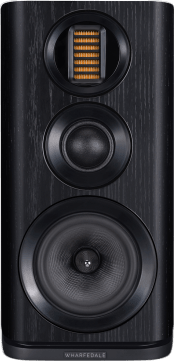
- Excellent focus and separation, with the speakers 'disappearing' to create a natural soundstage
- Impressive low-end performance, adding authority to the music
- Cohesive driver integration, with no perceivable handover between the AMT tweeter, midrange dome, and woofer
- Remarkable neutrality in the midrange, with a detailed yet smooth treble—avoiding harshness even at higher volumes
- Clear and detailed sound reproduction, extracting nuances and levels of information outstanding for its price
Product Considerations
- Vertical off-axis performance of the AMT tweeter is not good, so correct speaker height and toe-in are important
- Soundstage is not super wide, with the presentation mostly between the speakers
- Some reviewers found the aesthetics or proportions to be awkward or not to suit all tastes
- Bass may be a bit polite for some listeners wanting subwoofer-type rumble
- The midrange can be fatiguing if the listener's ear is at the midrange driver level
Takeaway: The Evo4.2 is a well-rounded speaker that delivers excellent sound quality with impressive imaging, detail, and tonal balance. It is capable of providing an audiophile experience at an affordable price.
Video review
About the brand

What reviewers think
Product Strengths
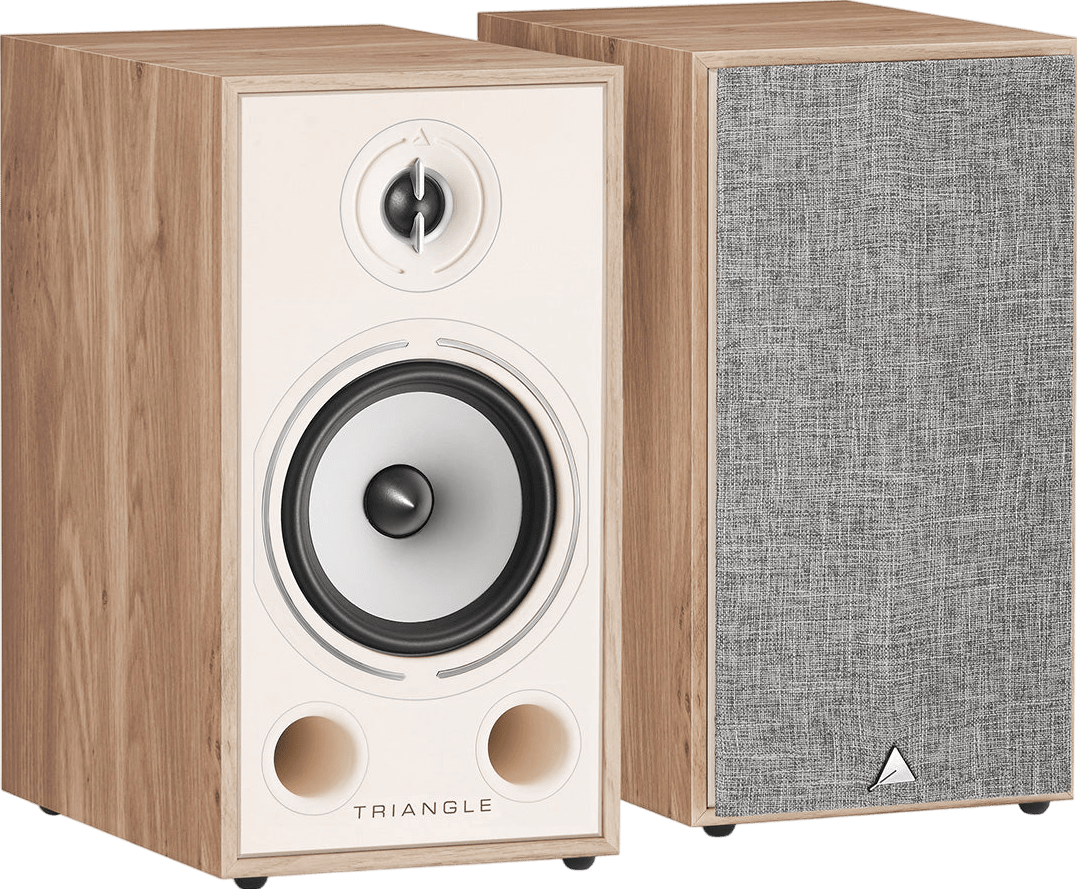
- Open, airy, lively midrange that was smooth yet rich, and with inviting tonality
- Imaging prowess and transparency were evident, with every nuance of the sounds of plucked strings untainted by any speaker-cabinet colorations
- The tweeter is designed to make high frequencies less directional, thus improving off-axis performance
- Positions every tone with precision, creating a good soundstage width
Product Considerations
- Treble can be bright, requiring careful matching with other equipment to avoid excessive brightness
- A lack of midrange was noticed, giving a mellow sound rather than a warm one
- One reviewer found inconsistent sound and technical flaws, like resonances, breakups, and other problems that make the midrange sound recessed compared to the higher frequencies
- Bass extension and fullness were a bit underwhelming for a ported minimonitor of this size
- The speaker's sound has a definite character with a little bit of emphasis in the midrange and the top of the treble
Comparisons (according to reviewers)
- Vs Q Acoustics 3030i: The Borea BR03 is more engaging and forward-sounding, with more punch and a livelier sound overall—but probably needs more care with pairing
- Vs Klipsch RP-600M: The RP-600M can create an even wider soundstage and equals Triangle when it comes to dynamics, but the Borea BR03 is better when it comes to imaging and layering
- Vs ELAC Debut 2.0 B5.2: The Elac is tonally more balanced and its frequency spectrum is more coherent, while the Triangle Borea BR03 offers bassline authority, dynamics, speed, resolution, and overall engagement that Elac simply can't match
- Vs Bowers & Wilkins 685 S1: The Borea BR03 presented a more spacious, detailed, and airy midrange, and better high-frequency extension
Takeaway: The Triangle Borea BR03 is an engaging speaker that offers a lively sound, especially in the midrange and treble frequencies. With its detailed sound and good imaging, it can bring a lot of enjoyment to listening sessions.
Video review
About the brand
What reviewers think
Product Strengths
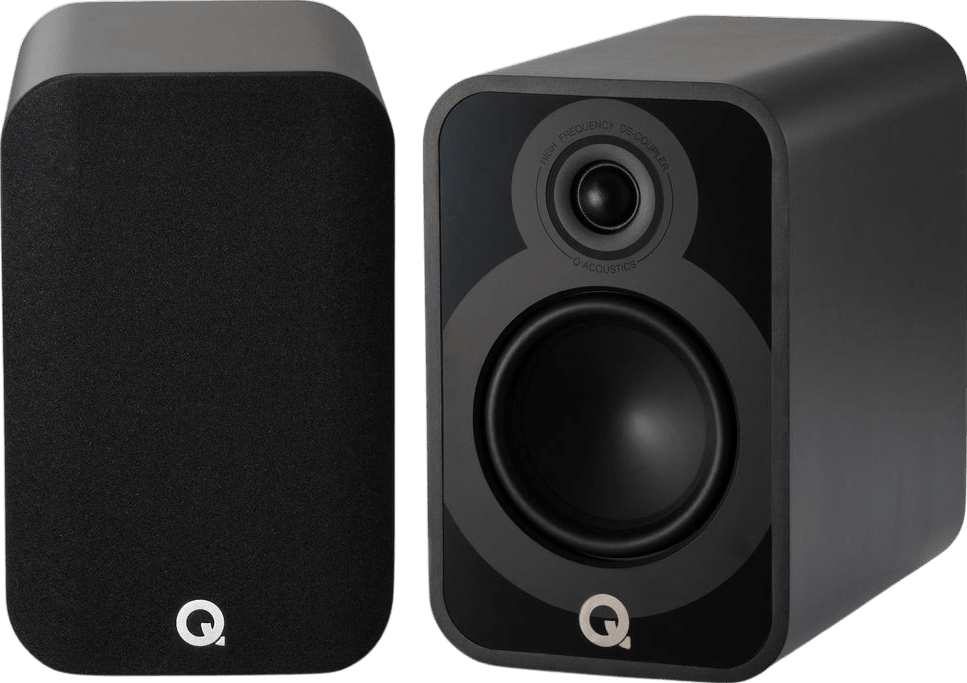
- Attractive design with rounded cabinet edges and multiple finish options (Satin Black, Satin White, Santos Rosewood, Holme Oak)
- Good midrange reproduction—clean and uncolored—especially for the price
- Clear and detailed sound with good separation of instruments
- Taut and agile bass performance
- Internal bracing (P2P) stiffens the cabinet, reducing vibrations and improving stereo image
- Connectivity options such as binding posts
Product Considerations
- Can tend towards brightness, potentially causing fatigue during longer listening sessions—especially with the wrong equipment pairing
- Cabinet size is relatively large for a bookshelf speaker
- Bass response is somewhat subdued
- Some reviewers noted imaging issues, with vocals lacking a firm presence in the center
- Grilles muddle the sound
Takeaway: The Q Acoustics 5020 is a great-looking speaker that offers a rich and musical sound, making it a very entertaining listen for the price. With its ability to reveal details from recordings, it's a wise choice for those looking for a well-built and sonically pleasing speaker.
Video review
About the brand


What reviewers think
Product Strengths
- Agile, articulate, and expressive sound delivers music with considerable finesse, precision, and energy
- Balanced tonal presentation, without over-enthusiastic treble, makes them easy to partner with different systems and less fussy about recording quality
- Good detail retrieval, wide sound dispersion, and the ability to create an expansive and stable soundstage
- Well-built and compact, with a high quality of workmanship and finish relative to their price
- Versatile placement options make them suitable for stand mounting, wall mounting, or placement on a bookshelf
Product Considerations
- Sensitivity is a little on the low side, requiring an amplifier with a decent amount of power to drive them effectively
- Bass can sometimes be a little weaker than needed, not matching the sound quality of more expensive speakers
- The design is considered classic and elegant by some, though others may find it too plain
- They may not be ideal for poor recordings, as clarity and detail can be emphasized
- In larger rooms, they may not cope as well as larger, more powerful speakers
Comparisons (according to reviewers)
- Vs Q Acoustics 3020s, the Spektor 2s tread a middle path, adding greater verve and involvement, also not far off the sophisticated Q Acoustics 3020s in tonal balance
- Vs ELAC Debut B6.2, the ELAC Debut B6.2 had a slightly warmer sound signature than the Spektor 2
- Vs Bowers & Wilkins 606 S2, the Bowers & Wilkins 606 S2 are a good option if you prefer your bass on the overpowering side
Takeaway: The Spektor 2 is a top-class pair of budget standmounters that offers a generous dose of entertainment and clear sound for its size. These speakers are a great choice for those looking for excellent sounding, affordable speakers, or for those who have a small space.
Video review
About the brand

What reviewers think
Product Strengths
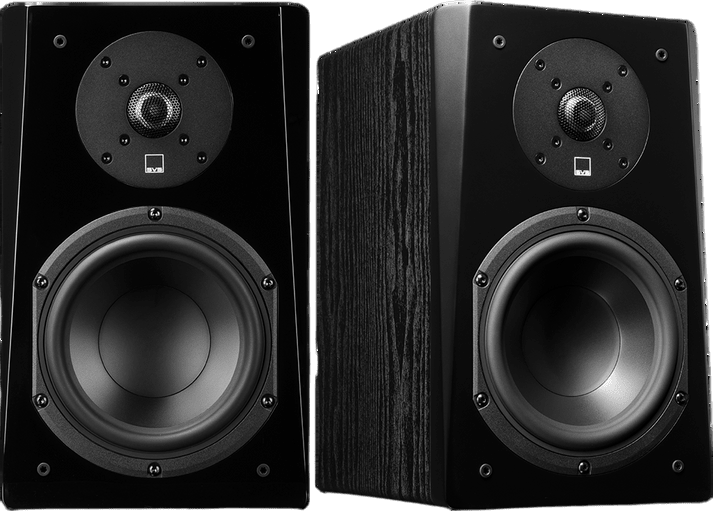
- Good ability to get loud, clean sound without distortion or compression issues above 80 Hz when paired with a subwoofer
- Really good build quality cabinet
- Very clear, immediate, vivid sounding speaker
- Ultra-focused sounding, clean, and nicely balanced vocals
- A lot of treble liveliness combined with quality clarity and crispness
Product Considerations
- Treble is a little bit bright
- Not the most neutral speaker
- Leaner sound in terms of bass delivery
- Very tight, tuneful, and on-point bass, but the perceived amount of bass is less substantial than other speakers reviewed
- Some port noise or chuffing can be heard when setting the speakers to deliver as much bass as the Klipsch RP600M
Takeaway: The SVS Prime bookshelf is a sweet little speaker that delivers clear and vivid sound and has great build quality. It's also versatile, as it can be used in a stereo setup or as part of a home theater system.
Video review
About the brand

What reviewers think
Product Strengths
- Detailed yet easy-going sound with a smooth and balanced tonal nature
- Good build quality with a solid and well-constructed cabinet designed to control resonances
- Impressive bass performance for its size and price, exceeding expectations
- Vocals are clear, never lost, and have a balanced presentation
- Excellent price-to-performance ratio, offering great value for the money
Product Considerations
- Slight softening of the upper mid frequencies
- Treble may be a bit rolled-off or mellow, lacking some sparkle or edge for some listeners
- Bass lacks precision and focus and can sound 'bouncy' with certain music genres, leading to slight 'chuffing' or port noise at times
- Requires a good amplifier with sufficient power (50-60W) to fully open up and avoid sounding strained
- Vertical directivity issues can impact sound if listener is not positioned at the correct height
Comparisons (according to reviewers)
- Compared to the ELAC Debut B5.2/B6.2, the ELAC offers more transparency in the midrange and a greater rhythmic snap—better dynamics, while the Diamond 12.1 counters with a less analytical, more easy-going nature
- Compared to the Q Acoustics 3030i, the Q Acoustics 3030i has a larger overall sound presentation with more bass but less clarity, organization, and balance than the Diamond 12.1
- Compared to the Wharfedale EVO 4.2, the EVO 4.2 provides a larger sound with more clarity but at more than twice the price of the Diamond 12.1
- Compared to the DALI Oberon 1, the Diamond 12.1 has a more homogeneous and comfortable soundscape, while the Oberon 1 offers a more accurate perspective but can be a bit slim
- Compared to the Triangle Borea BR03, the Triangle Borea BR03 gives a tad more insight
Takeaway: The Wharfedale Diamond 12.1 speakers offer great sound for the price, with clear sound and strong build. They are a good choice for listeners wanting speakers that are easy to enjoy and won't cost too much.
Video review
About the brand

What reviewers think
Product Strengths
- Gorgeous design, available in different color options
- Vast soundstage with amazing clarity
- Easy to position in a room
- The 7-inch wood fiber woofer has a unique and cool look, and is lightweight
- Balanced in price, performance, and aesthetics
Product Considerations
- Need a little room to breathe because of its bass reflex port
- When toed in, the treble seemed a bit aggressive, and taking the grilles off heightened the effect
- Bigger than average, which affects low-level dynamics
- Lack finesse, voices are not sounding as open and intimate as they do on other speakers
- Could not resolve the lower octaves in the same way as another product
Comparisons (according to reviewers)
- Vs ELAC Debut 2.0 B5.2: The DALI made the ELAC sound like it was pasted to a Shrinky Dink sheet and sent through the oven
- Vs GoldenEar BRX: The GoldenEar BRX gives more weight and a richer, more full-bodied presentation as compared to the Oberon 3
Takeaway: The DALI Oberon 3 speakers have a compact, elegant design and deliver a warm, pleasant, and clear sound. They can be used in both stereo and surround sound systems.
Video review
About the brand

What reviewers think
Product Strengths
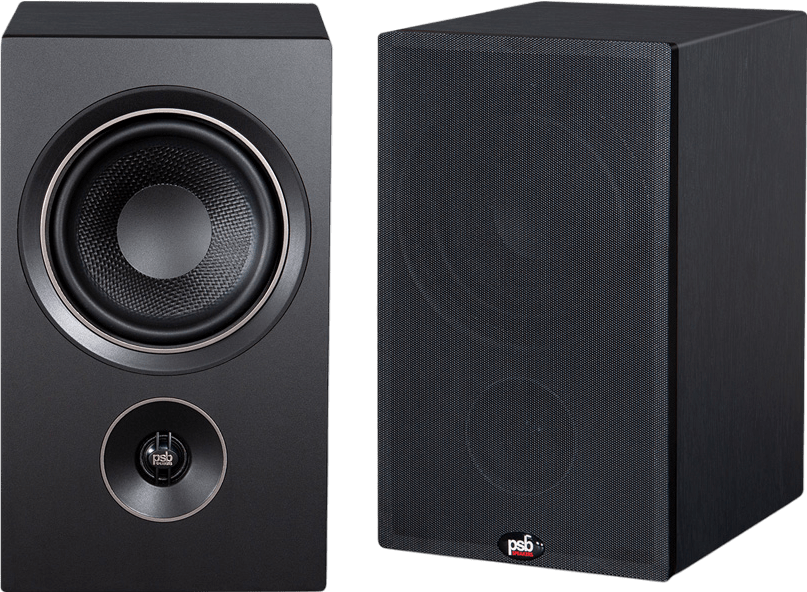
- Solid build with braced cabinetry to minimize resonance
- Dynamic sound with excellent imaging in a small footprint
- Engaging naturalism with a nicely weighted midrange and non-fatiguing treble
- Commendably neutral frequency response with no obvious or disqualifying flaws
- High-quality finish for a speaker in its price range
Product Considerations
- Bass extension is limited and may require a subwoofer for deeper bass response
- The tweeter sounded a bit hard at first, and smoothed out after some extended break-in time
- The tweeter doesn't offer quite the refinement and sweetness expected from more expensive designs
Comparisons (according to reviewers)
- Compared to the Dynaudio Emit M10, the Alpha P5 marries smoothness, warmth, and refinement with a level of resolution that serves detail in a less forced manner
- Compared to the Paradigm Monitor SE Atoms, the P5 offers more microdetail, body, urgency, and power
- Compared to the ELAC Uni-Fi Slim FS U5, the P5 offers more exquisite midrange and effortless—linear top end
- Compared to the KEF LS50, the two speakers sounded remarkably similar in terms of overall tonal balance, with the PSBs offering more low bass extension
Takeaway: The PSB Alpha P5 bookshelf speakers offer a great sound for the price, with a quality build that makes them a good choice for music enthusiasts with limited space. They bring high-end technology to an affordable price point, making them a worthwhile addition to any audio setup, especially when paired with a subwoofer.
Video review
About the brand
What reviewers think
Product Strengths
- Incredible power handling capabilities, performing as well as speakers in the $2,000–$3,000 range
- Sound quality is comparable to stand-mount speakers in the $1,500–$2,000 range
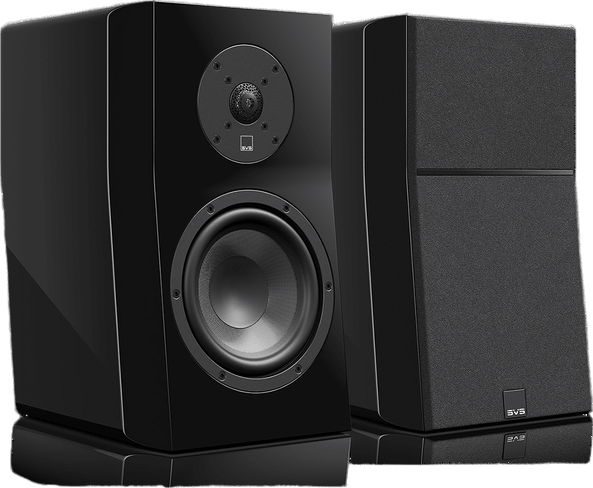
- Build quality is phenomenal for its price point, with real wood veneer options available
- Produces a dense and deep soundstage, especially for a two-way design
- Neutral and clean sound with nice extension in the upper mid-range to high-frequency extension, avoiding a 'hot' sound
Product Considerations
- Stereo imaging is decent, but not as precise as some listeners may prefer
- The mid-range can be a weak point due to some potential resonance in the upper frequencies of the woofer's range
- The speakers are not the easiest to drive and pairing with neutral, slightly warmer amps is recommended
- The treble response is slightly forward with some extra sparkle which may not be ideal for those sensitive to higher frequencies
- While the bass is good, listeners of bass-heavy music may want to add a subwoofer
Comparisons (according to reviewers)
- Vs. SVS Nano: The Ultra Evolution has a more open and expansive midrange and more linear bass, while the Nano has punchier—slightly boosted—bass
- Vs. Heco Salon Revolution 3: The Ultra Evolution is a good replacement since the Heco is discontinued, the Ultra Evolution favors neutrality, while the Heco has a warmer midrange, but the treble is very similar on both
- Vs. KEF R3 Meta: The SVS Ultra Evolution disappears better, but the R3 Meta sounds more neutral
- Vs. Dali Opticon II Mark IIs: Dali is warmer and more nuanced in the midrange but the Ultra Evolution is a little more exciting in its presentation
Takeaway: The SVS Ultra Evolution Bookshelf speakers provide exceptional performance for the price and create an immersive listening experience. They are well-built, attractive, and offer a balanced sound that makes them a strong contender in their price range.
Video review
About the brand

What reviewers think
Product Strengths
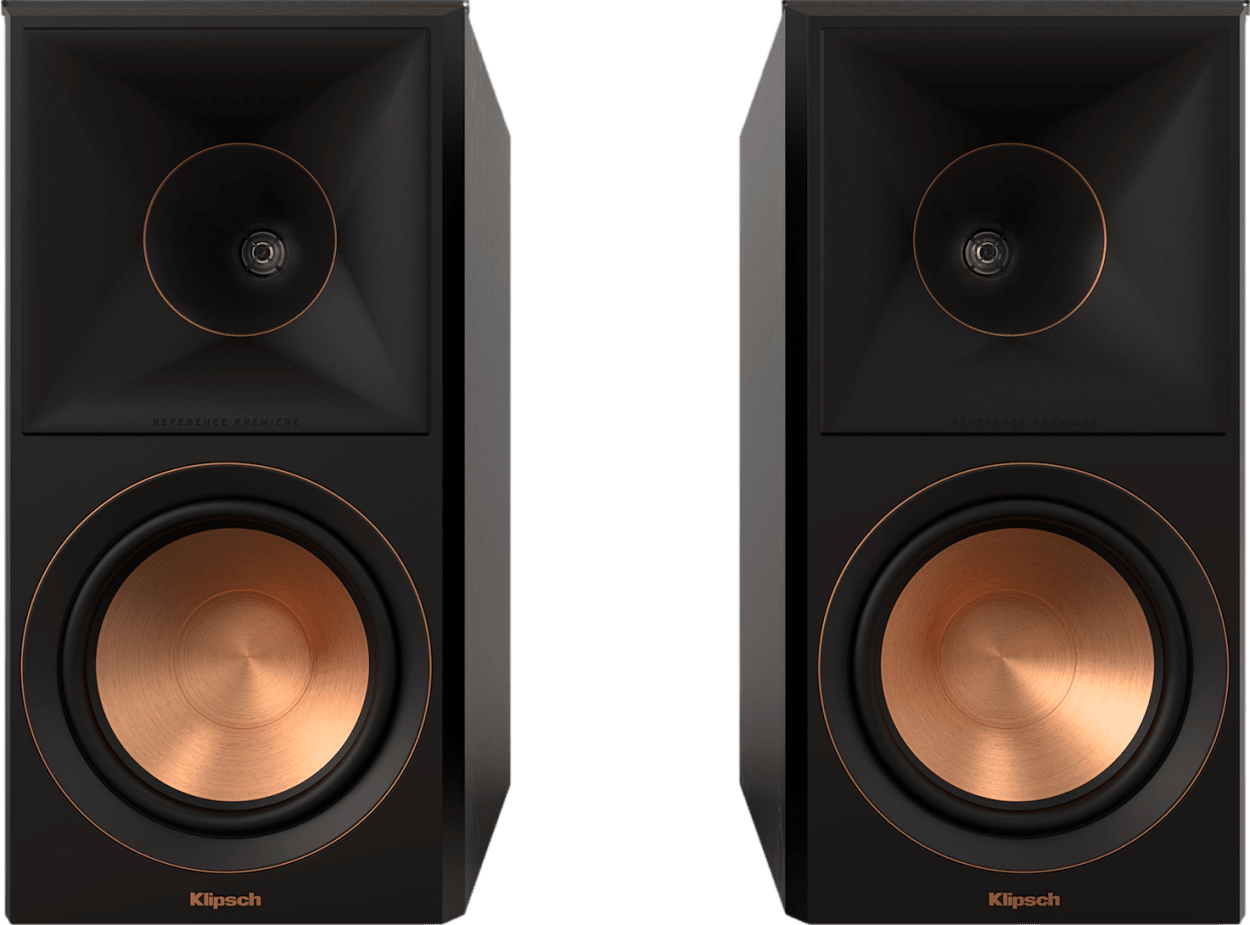
- Larger horn tweeter and a new Cerametallic woofer, compared to its predecessor
- Upgraded binding posts and crossover plate elevate to Reference Premiere status
- Larger diameter voice coils and aluminum shorting rings on the woofers give the speaker better linearity throughout the bass, decrease distortion while upping power handling resulting in improved speed and accuracy
- Better detail retrieval, more articulate bass, and vastly improved soundstage width and imaging, compared to the RP-600M
- The binding posts are the same that are found on costlier Heritage speakers
Product Considerations
- Finish options did not receive an upgrade over the outgoing model, leaving customers with the same ebony or walnut wraps
- The tweeter may be too bright for some listeners who are sensitive to a more aggressive top end
- Rated sensitivity is 94.5dB, which is a decrease compared to the original's reported sensitivity of 96
- Needs a bit of space behind them and to the sides, or at least positioning on open shelves, if the powerful output from that port isn't to muddy the sound
Comparisons (according to reviewers)
- Compared to the older RP-600M, the new sounds far more linear
- The new is very easy to listen to for long periods of time, and while it still has a presence, a speed and transparency to the artist or instrument—at least with respect to the midrange—it is not as forward sounding as past designs
- The new proved to be surprisingly flat, but best of all, not the least bit fatiguing
- There was very little difference in tone with respect to the mids between the new and a costlier Revel bookshelf
- These two are actually pretty neck and neck
- As for the Wharfedale Evo 4.1, the Evo is better constructed, not to mention nicer looking
Takeaway: The RP-600M II is a refined speaker with better components, improved sound, and better bass response and imaging. It's a speaker that would be great for someone who likes to listen to a variety of music genres and wants a good-sounding speaker that can last a long time.
Video review
About the brand


What reviewers think
Product Strengths
- Nice neutral balance and really nice tonality, tuned naturally
- Soundstage depth and precise instrument placement and imaging
- Detailed and organised sound with precision and cohesion that's rare for this level
Product Considerations
- Can get a bit bright at louder volumes
- Lacks punch and impact in the bass
- Compression can be bothersome
- Not as colorful, vivid, and nuanced as some more expensive speakers
- Very eager to scrutinize less capable systems
Comparisons (according to reviewers)
- Vs Fluance, and Sony SSC S5—the Debut B5.2 is better in the aggregate
- Vs KEF Q150—the KEF Q150 presented Every Day is the Same by Nine Inch Nails better than ever before
- Vs Wharfedale Diamonds—the Debut 2.0 B5.2 images better and creates a deeper soundstage
- Vs Monitor Audio Bronze 2—the Debut 2.0 B5.2 images better and has a deeper soundstage, but the Monitor Audio Bronze 2 is more forgiving of partnering equipment
- Vs Klipsch RP-600M—the Klipsch has more energy, slam, and punch
Takeaway: The Debut B5.2 is an impressive speaker for the price with a remarkably balanced sound, especially suited for listeners who appreciate soundstage depth and imaging. It handles complex arrangements well and offers great value.
Video review
About the brand


What reviewers think
Product Strengths
- Exceptionally clear and lively highs with remarkable detail are delivered by the Folded Motion tweeter
- The midrange sounds natural and balanced thanks to the Nomex-reinforced Kevlar driver
- Clean and modern aesthetic design
- Efficient, and should go loud with relatively little power
- A wide and immersive soundstage with precise imaging
Product Considerations
- The highs might be a little too lively for some listening settings due to a slight boost in the high frequencies
- Relatively narrow horizontal sweet spot
- The bass, while tight and controlled, lacks the deep, visceral impact of larger speakers or subwoofers due to the driver size
Comparisons (according to reviewers)
- Compared to the PSB Passif 50, the XT B100 makes the piano appear more realistic, with a purer and more natural tonality, and vocals are smoother and more tightly controlled
- Compared to the Bowers & Wilkins 606 S3, the XT B100 boasts superior high-frequency performance
- Compared to the Focal Aria EVO X N°1, the Focal provides a warmer midrange and a slightly smoother high end
Takeaway: The MartinLogan Motion XT B100 speakers offer a fantastic listening experience thanks to their clear highs and balanced sound. They also look great and can fit well into any room.
Video review
About the brand