Welcome
A streaming amplifier is the modern one-box hifi: amplifier, DAC and network streamer in one chassis, controlled from an app. You add a pair of passive speakers and, if you like, a turntable. Ranked by review count, from a $300 WiiM to the Naim Uniti range. The integrated amps list covers the same category without the streaming.


Products on this list




What reviewers think
Product Strengths
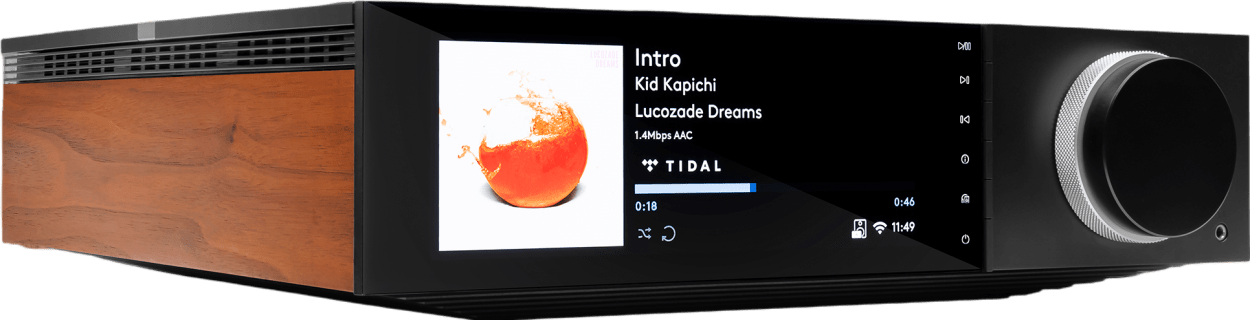
- Packs many features into a small frame, offering an 'all-in-one' solution by integrating streaming, DAC, preamp, and amplification
- The sound quality is clear, detailed, smooth, refined, articulate, and neutral, with good soundstage and imaging
- Offers a wide array of input options (analog and digital) and streaming service compatibility, making it versatile
- Its Class D amplification (Hypex NCore) is powerful (150Wpc) and efficient, running cool compared to traditional amps
- The industrial design and aesthetics are highlighted positively, with its sleek look, swappable side panels, and user-friendly interface, enhancing its lifestyle appeal
Product Considerations
- The headphone preamp may not satisfy serious headphone enthusiasts without a dedicated amp
- There is a noted lack of bass management
- The StreamMagic app lags behind the likes of Bluesound and Yamaha MusicCast in terms of its interface
- Some reviewers found a slight softening of the bottom end
- One review notes some power supply noise in bench tests, but at inaudible levels
Comparisons (according to reviewers)
- Offers wider soundstage, depth, and polish than the Naim Uniti Atom, but the Naim Uniti Atom has a greater sense of musicality and tighter rhythmic fabric
Takeaway: The Cambridge Audio Evo 150 is a versatile and attractive all-in-one system with excellent sound quality and a comprehensive feature set, making it a great choice for those seeking a simple yet high-performing audio solution. It provides a streamlined experience without sacrificing sound fidelity.
Video review
About the brand



What reviewers think
Product Strengths
- Feature-rich, combining a preamp, amplifier, streamer, and DAC into a single unit
- Eigentakt Class D amplifier delivers a good amount of clean power
- BluOS platform is easy to use and integrates various streaming services
- Dirac Live room correction improves sound quality by addressing room acoustics, though some suggest that the full version is more effective
- Stylish design, with a high-quality build
- Useful touchscreen interface
- NAD's MDC architecture allows for future upgrades
- Extensive connectivity options, including digital, analog, and wireless inputs/outputs
Product Considerations
- Some found the sound character to be analytical or clinical, and less engaging
- No USB-B input for direct computer connection
- Phono input is digitized
- Some users have reported very low output from the subwoofer output line, which has made it challenging to get the performance they'd expect, especially at low listening levels and for Dirac calibration, and NAD acknowledged this as a known issue with no timeline for a fix planned
- While it improves sonic performance for some, others have noted that the Dirac implementation made little difference in their listening room
Comparisons (according to reviewers)
- Vs NAD M10: The M33 is a scaled-up M10 with more features and power
Takeaway: The NAD M33 is a versatile all-in-one system that offers a combination of features and performance. It simplifies a high-end system into a single, attractive unit that is future-proofed, easy to use and offers room correction for optimized sound in most environments
Video review
About the brand


What reviewers think
Product Strengths
- Improved DAC from the H90, using the same DAC as the H120 and H190 models, which offers a massive step up in D/A conversion
- Well-balanced, neutral, and realistic sound, with better dynamics, transparency, and soundstage than its predecessor, the H90
- Streaming capabilities, such as Spotify Connect, AirPlay, and UPnP, make it a versatile all-in-one system
- SoundEngine 2 technology reduces distortion effectively
- Simple, clean, and understated aesthetic
- Requires LAN cable for network connection, as it has no wireless connectivity
Product Considerations
- Front panel is made of plastic
- USB input is limited to PCM resolutions of 24bit/96kHz
- Lacks Roon endpoint capability and does not support playback of DSD files
- Remote control is plastic; the metal RC8 remote is an additional cost needed to set start up and maximum volume levels
Comparisons (according to reviewers)
- Vs H90—H95 has a better power supply, a new board with streaming circuitry and digital-to-analog conversion, and an improved headphone output
- Vs H90—H95 also provides better dynamics, transparency, and soundstage
- Vs H120 & H190—H95 shares the DAC from these models but lacks some of their higher-end features and custom installation facilities
- Vs Primare I15 Prisma—the Primare I15 Prisma is a serious rival, offering a bolder sound and Prisma network platform
- Vs Schiit Ragnarok 2 Fully Loaded—H95's sound was slightly smoother
- Vs Cyrus ONE Cast—the H95 is sailing on much closer waters to the Cyrus ONE Cast, thanks to its thick blend of connectivity, features and ergonomics
Takeaway: The H95 is an integrated amplifier for those seeking modern streaming features and quality sound without overspending. It is an all-around good choice for building a simple home audio system.
Video review
About the brand

What reviewers think
Product Strengths
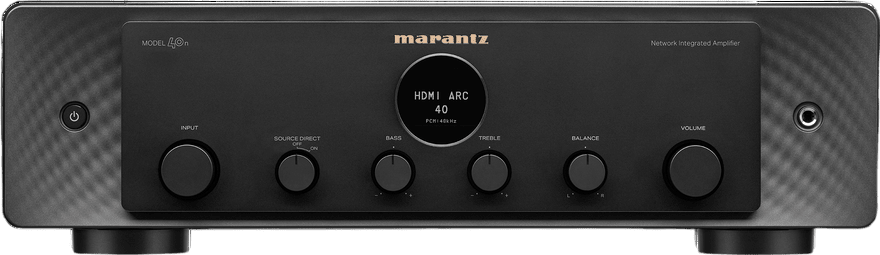
- High-quality build and aesthetics, with a metal casing and elegant fascia made to a high standard
- A clear, powerful, and spacious sound, with a presentation that is appealing right from the beginning
- Plenty of power on tap, specified at 70W per channel into 8 ohms and 100W per channel into 4 ohms
- Fantastic connectivity, with three pairs of line-level inputs, an MM phono stage, and outputs for a recorder and subwoofer
- Capable network DAC/streamer with digital controls
Product Considerations
- The dimpled effect flanking the extruded front panel gives the unit a further distinctive look, but the finish feels like plastic upon closer inspection
- The HEOS app isn't bespoke to the 40n, many of the product's set-up options can only be accessed through the unit using the included remote control
- Bluetooth pairing took longer than expected, and there were occasions when the app stopped being able to see or display the music server when switching inputs
- The lettering on the remote control is impossible to read in dim light, and the buttons are too similar in size, resulting in fumbling in the dark
Comparisons (according to reviewers)
- The Marantz Model 40n is a different proposition compared to the Marantz PM7000N, Marantz is keen to reposition itself as a luxury hifi brand and that intent is clear in the 40n's gorgeous build and aesthetics
- Rival systems such as the Cambridge Audio Evo 150 and Naim Uniti Atom do a better job of engrossing listeners in the music, being more insightful, musically engaging, and dynamically exciting by degrees
- Is super-sexy and distinctive styling, a higher level of fit and finish, a much better remote, and access to Sound United's HEOS streaming/multiroom audio platform wanted—or more coaxial and optical digital inputs, Dirac Live room-correction capabilities, more power, a more efficient topology, and access to Lenbrook's BluOS streaming/multiroom audio platform
- At first glance it's hard to distinguish the Model 40n from its slightly costlier Marantz Model 30 sibling
Takeaway: The Marantz Model 40n is a stylish and feature-packed streaming amplifier that offers a musical and inviting performance. With its versatile connectivity options and impressive sound quality, the Model 40n is a great choice for modern, lifestyle hifi systems.
Video review
About the brand

What reviewers think
Product Strengths
- Class-leading clarity and insight, a noticeable upgrade from previous models, makes the music feel like it's coming from inside the room
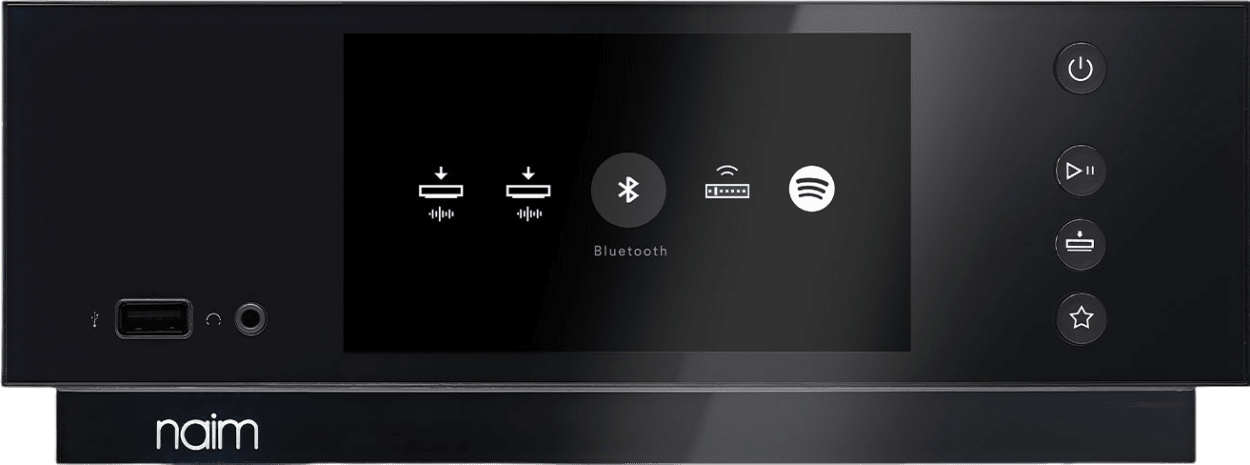
- Beautifully designed with clean lines and a responsive 5" color TFT panel
- Offers compatibility with every music source including high-res streaming, Bluetooth, and vinyl
- Well-built from sturdy, brushed and anodized aluminum, it has a satisfyingly smooth volume wheel action
- Well-designed, stable, intuitive, and simple to use app
- Non-standard speaker connectors requiring banana plugs
- Naim hangs their hats on UPnP as a method of getting networked music into their systems, which can be cryptic in their setup and less than stellar in performance
Product Considerations
- Does not come with an internal phono stage, requiring the end user to supply their own
- Felt just a tad lacking with low-end thump
Comparisons (according to reviewers)
- Atom has better clarity and insight, compared to the Naim Uniti Qute 2
- Musical delivery is a double shot espresso to the Peachtree nova300's long black or the AURALiC Polaris' ristretto
- The difference between the Atom's DAC and the Chord Qutest was only modest when played over the Falcon's
Takeaway: The Naim Uniti Atom is a beautifully designed, versatile all-in-one system that provides a wealth of connectivity options and high-quality audio. It simplifies the audio experience, making it a great centerpiece for a modern music system.
Video review
About the brand

What reviewers think
Product Strengths
- Punchy and musical performer
- BluOS is a treat to operate
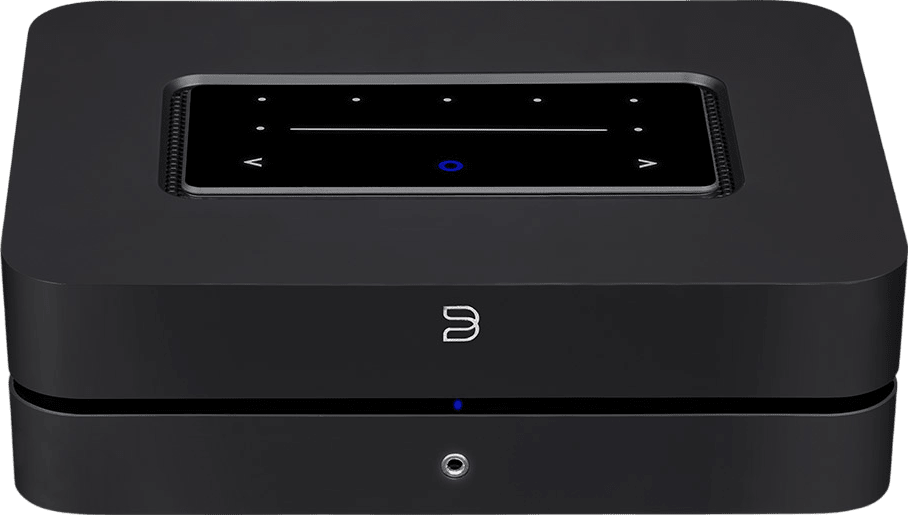
- Convenient design as a source and amplifier in one, only needing speakers to complete the system
- Engagingly musical performer—dynamically fluid and punchy, with plenty of energy
- More neutral sounding now, making gains in clarity and insight across the frequency range
- Connectivity options are through 3.5mm headphone-type connectors, shared with mini-TosLink connections
Product Considerations
- Tough competition from other streaming amplifiers
- No way to send data out to an external DAC
- The Powernode was occasionally hard on transients and dynamic bursts
- There is no included remote
Comparisons (according to reviewers)
- The Marantz has a wider-scale, roomier soundstage and greater subtlety
Takeaway: The Bluesound Powernode is a superb streaming amplifier that is better than ever, offering excellent sonic talent and a well-rounded feature set. It provides a convenient and high-quality music experience for anyone looking to simplify their home audio setup.
Video review
About the brand

What reviewers think
Product Strengths
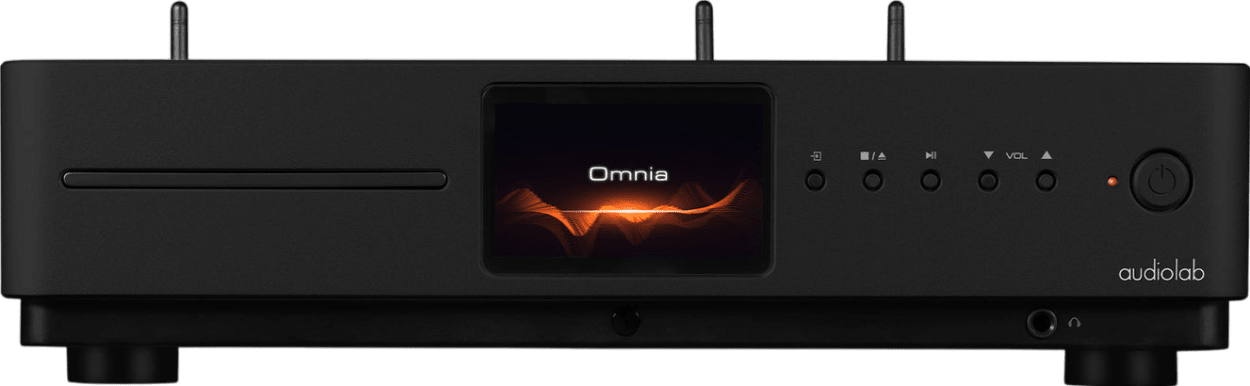
- Offers a comprehensive set of features including CD player, streamer, Bluetooth, headphone amplifier, phono amplifier, and power amplifier, all in one box
- Sounds very good across digital and analogue inputs, the combination of digital decoding and amplification is exceptionally cohesive
- Has a sturdy, well-built casework that feels every inch of its price tag, and is built to last
- Provides clear, detailed and large, spacious sound with an easy-going presentation, and can be part of an expansive wireless multi-room system
- Incorporates a high-quality ESS Sabre DAC and amplifier based on the Audiolab 6000A design
Product Considerations
- The software interface using DTS Play-Fi is a little slow, and Play-Fi is still not gapless, Play-Fi is not delivering at the same level of user experience as competitor solutions
- Rivals have greater dynamic punch, rhythmic accuracy, and energy
- Some reviewers find that the unit can be a bit sensitive with scratched CDs
- Remote and fascia controls aren't all that responsive
- There is no album art displayed on the screen during streaming
Comparisons (according to reviewers)
- Compared to the Technics SA-C600, the Technics may not be as big-scaled, open or reveal as much detail as the Audiolab Omnia, but it's more adept at conveying enthusiasm, rhythmic precision and dynamic punch
- In direct competition with the Cambridge Audio Evo 75, the Audiolab Omnia ties Audiolab styling touches into something that is not slavishly retro and gives away absolutely nothing in terms of feel, solidarity and design
- Compared to the NAD C700, the Audiolab Omnia has functionality they cannot get anywhere near—indeed functionality that leaves everything else under two grand looking rather limited
Takeaway: The Audiolab Omnia is a versatile and well-built all-in-one system that offers a wide range of features and delivers enjoyable sound, making it a great option for those seeking convenience without sacrificing audio quality. It's especially appealing for those who still value CD playback.
Video review
About the brand

What reviewers think
Product Strengths
- BluOS integration offers a slick interface with robust functionality, lossless streaming, and great sound quality
- Compact form factor and lightweight design make it easy to place in various settings
- The 5-inch color display shows album art and track information, contributing to a sleek and sophisticated user experience
- HDMI eARC input allows for easy connection to smart TVs for enhanced audio
- A wide array of connectivity options is available, including digital and analog inputs, pre-outs, and a subwoofer output
Product Considerations
- Lacks a phono stage input for direct connection of turntables without a preamp
- Not a touchscreen
- May sound flat or experience coloration at its peak volume levels
- May lack the macro dynamics of a more powerful amplifier—better suited for efficient speakers and smaller rooms
- Some reviewers found it does not pause playback from the main unit, only mutes it
Takeaway: The NAD C 700 is a versatile streaming amplifier with a compact design and a wide range of features, making it a great option for those seeking a simple way to enjoy high-resolution music. Its intuitive BluOS platform and various connectivity options make it a convenient centerpiece for a modern audio setup
Video review
About the brand

What reviewers think
Product Strengths
- Pleasing aesthetic and ergonomic design, excellent finish, and welter of facilities
- Smooth and sophisticated sound that's not edgy in the least
- A significant improvement over the already highly competent Röst design
- Delivers a good deal of power plus lots of detail—and strings it altogether in a musically coherent way
- An essential audition for anyone in the market for a modern mid-price integrated amplifier
- Offers pleasing connectivity options
Product Considerations
- Lacks Wi-Fi connectivity
- Not as self-consciously 'swish' as some Japanese products around this price
- The reviewer was slightly less fond of the small buttons on the remote control
- Doesn't reach the heights of sound quality enjoyed by the more-expensive integrated-DAC, the H390
- It has a USB input limited to a maximum resolution of 24/96 and won't accept the sampling rate of 88.2kHz
Comparisons (according to reviewers)
- Vs Naim SuperNait 3: Treble is more open and spacious
- Vs Röst: Offers improved networking, an enhanced digital section and lower noise floor with headphones
- Vs Röst: Has better bass control and less distortion on the headphone output when playing loud music
- Vs NAD C658: Has a warmer and more inviting sound
- Vs Cambridge Audio CXA81: Provides a more detailed sound
Takeaway: The Hegel H120 is a well-rounded amplifier that provides a great level of detail and refinement, and is easy to use, so users can focus on enjoying music. It delivers a lot of features and is worth checking out for anyone who wants a good all-in-one amplifier.
Video review
About the brand

What reviewers think
Product Strengths
- Powerful amplifier with good control, delivering 250 watts into 8 ohms
- Dynamic and stable sound, often described as punchy and with impressive bass
- Improved OLED display compared to its predecessor, showing input, volume, and sampling rate
- Versatile with built-in DAC and streamer and various connectivity options (analog, digital, USB, Ethernet)
Product Considerations
- Streaming relies on third-party apps, as there's no dedicated Hegel app
- Wired network connection required for streaming, as it lacks built-in Wi-Fi
- No phono stage included
- Some reviewers found the onscreen setup menu unintuitive
- While powerful, some found other amplifiers in its class to show slightly more finesse
Comparisons (according to reviewers)
- Vs. Hegel H360: H390 is smoother, cleaner, and more resolving, the H360 can sound coarse in comparison
- Vs. Hegel H590: H590 is better overall—smoother, more insightful, more powerful—but H390 closes the gap significantly at a lower price
- Vs. Naim Supernait 3: Naim has a slight advantage at low to moderate sound levels, but H390 has more muscle when playing loudly
Takeaway: The H390 is a powerful and versatile integrated amplifier-DAC that delivers a dynamic and engaging listening experience. It's a great choice for those seeking a complete and high-performing audio solution without spending a fortune.
Video review
About the brand
What reviewers think
Product Strengths
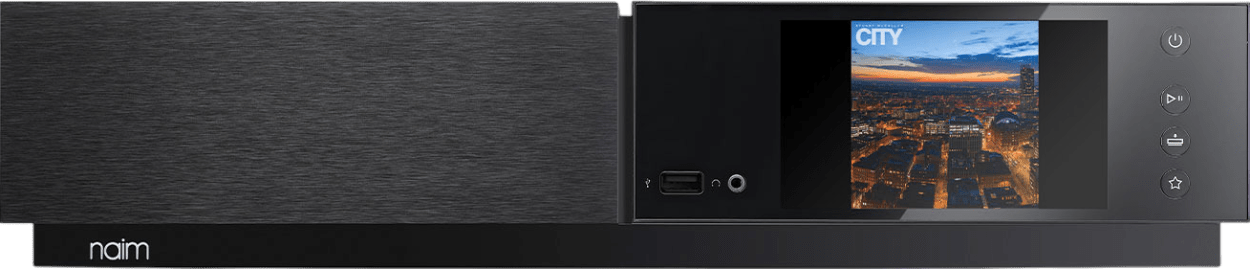
- Combines comprehensive functionality, connectivity and usability with good performance, and elegant design
- Exceptional sound quality is described as refined, muscular, detailed, confident, transparent, and natural
- Easy to use, has a great control app, a remote, and an intuitive interface that removes itself from the system
- Well-built with premium materials, including CNC-machined aluminum casework, finned heat sinks, and a hefty toroidal transformer
- Has a musicality that makes it hard to be objective about, the music flows as you listen and makes you want to repeat
Product Considerations
- Overheating may occur due to undersized heatsinks under demanding conditions
- Naim's speaker connectors may be unique, although banana plugs are an acceptable workaround
- Although a detail performer, it isn't the quietest digital source or imaging performer in the market
Comparisons (according to reviewers)
- Vs Uniti Star: The Nova has a more substantial amplifier section, with greater current delivery and stability into tricky loads
- Vs SuperUniti: The Nova offers a more dynamic, detailed, fluid, and natural sound–with a bigger soundstage
- Vs Chord Electronics CPM2800 MkII: The Nova is closer spiritually to separates like the Chord CPM2800 MkII than to other all-in-one systems
- Vs NAD M10: The Naim Unit Nova has full unwavering control of the entire frequency range, from the deepest chest-thumping bass to the most delicate highs
- Vs Naim Uniti Atom: The Nova has more power to get a good result in bigger rooms, whereas the Atom needs to be in a smaller room
Takeaway: The Naim Uniti Nova is a well-designed and easy-to-use all-in-one system that combines comprehensive functionality with very good sound quality. It's a good choice for those who want a convenient and high-performing audio solution without the complexity of separates.
Video review
About the brand

What reviewers think
Product Strengths
- Retro design takes cues from the NAD 3030
- Modern features include HDMI eARC, digital inputs, phono input, and Bluetooth
- Can be expanded with an optional module to add BluOS streaming and Dirac room correction
- The BluOS app is easy to use and gives access to many streaming services
Product Considerations
- The 'wood' finish is often a vinyl wrap instead of real wood
- Limited analog line ins compared to older amplifiers
- The infinite volume rotary makes it difficult to set precise listening levels
- Dirac Live room correction is limited to 500Hz without purchasing the full version
Comparisons (according to reviewers)
- Vs Technics SU-GX70: The Technics is more expensive, has a modern look, and a solid DAC, but has less power and no built-in streamer
- Vs NAD C700: The C700 has BluOS built-in, but less power and no room correction
Takeaway: The NAD C3050 is a great-sounding amplifier with a vintage look that's packed with modern features like streaming and room correction. For those seeking an amplifier that combines excellent sound quality with retro aesthetics and contemporary technology, it is a worthwhile option.
Video review
About the brand


What reviewers think
Product Strengths
- Doesn't generate any heat, even at high volumes.
- Convenient built-in Chromecast feature automatically turns on the device and allows volume control from a phone.
- Includes RoomPerfect room calibration system.
- Amazing sound quality
Product Considerations
- Lacks a built-in headphone amplifier
- Remote control is optional and sold separately
- The app user interface isn't as elegant or user friendly as other offerings
- Limited power
Comparisons (according to reviewers)
- Vs Naim Uniti Atom: Lyngdorf TDAI-1120 has the advantage with its RoomPerfect software
Takeaway: The TDAI-1120 is a versatile, all-in-one unit that combines streaming, DAC, and amplification, making it a great choice for those seeking simplicity and quality sound. With its RoomPerfect technology, it adapts to your room for the best possible listening experience.
Video review
About the brand

What reviewers think
Product Strengths
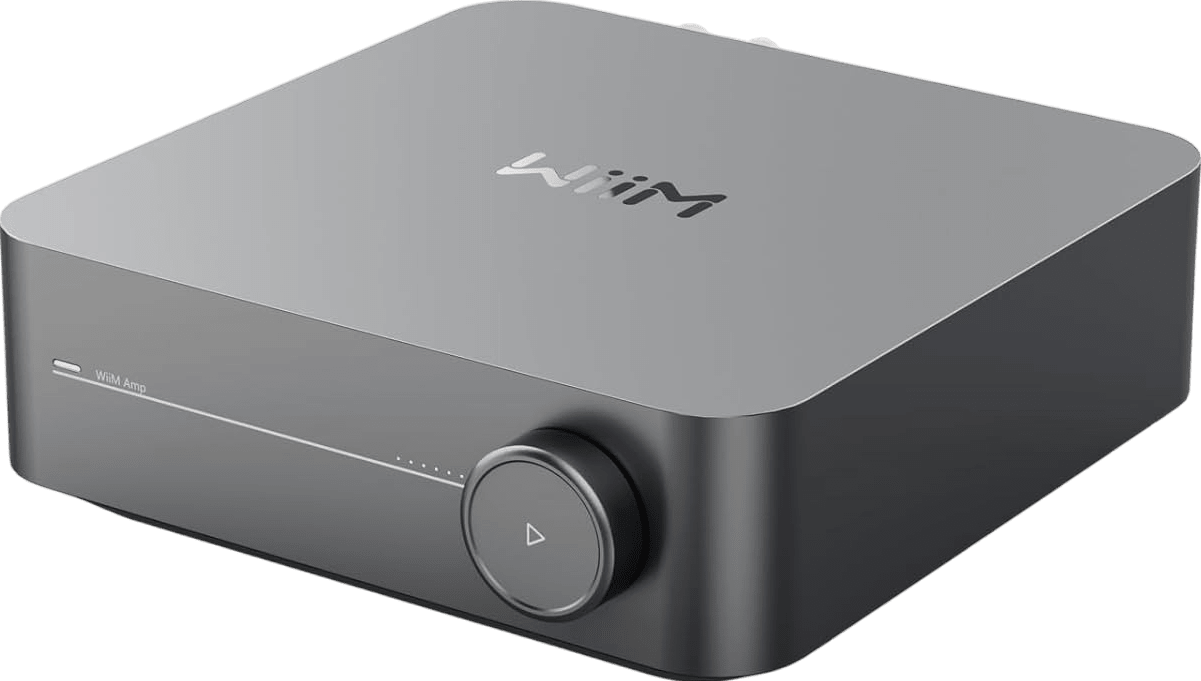
- Features and performance at an affordable price
- Stylish, well-made design
- Native support for nearly all streaming services like Spotify and Tidal, both wired and wirelessly
- Simple setup via smartphone and the WiiM Home app
- Includes HDMI with ARC as well as CEC, and a dedicated subwoofer output with bass management
Product Considerations
- Bluetooth and AirPlay communication can be inconsistent, particularly for iPhone users
- At higher volumes, the amp can struggle with certain genres of music or recordings with greater dynamic range, resulting in audible distortion and clipping
- Sound can become more sterile and two-dimensional at higher volumes, glossing over nuance and fine detail
- May not be suitable for larger spaces or for those who prefer listening at higher volumes, especially with speakers that are hard to drive
- Some users might hear a faint whine from the chassis or speaker tweeters, as the amplifier is not completely silent
Comparisons (according to reviewers)
- Vs Arylic B50: The WiiM Amp has a more complete chassis design with an internal power supply, a slicker app, and better overall industrial design, even if they use similar chipsets
- Vs Bluesound PowerNode/Audiolab 6000A Play/7000A: The Bluesound and Audiolab products are better options for larger spaces or higher listening volumes
- Vs Denon AV receiver: The Denon AV receiver does not have the streaming comprehensiveness of the WiiM Amp
- Vs Sonos Amp: The Sonos Amp may sound better, but the WiiM Amp combined with a subwoofer can provide a more complete sound experience for less money
- Vs PS Audio Sprout 100: The WiiM Amp's amp and DAC sections are superior
Takeaway: The WiiM Amp is a versatile and affordable streaming amplifier packed with features, making it a great entry point into hifi or a convenient solution for smaller spaces. Its comprehensive streaming capabilities and user-friendly app provide a seamless listening experience.
Video review
About the brand
What reviewers think
Product Strengths
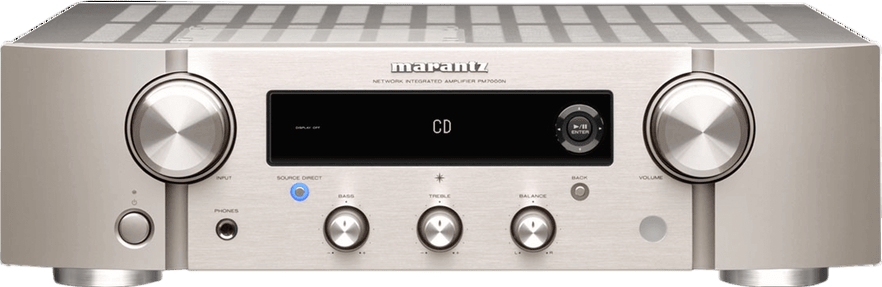
- The Marantz PM7000N is a 'just-add-speakers' streaming system with an entertaining performance and class-leading clarity
- It provides big, spacious and insightful sound
- It integrates a DAC, network module, and access to various music streaming services via the HEOS platform
- Many reviewers point out its versatility, being an all-in-one solution
- It has a nice sparkly treble and a deep rounded mid-bass
Product Considerations
- The HEOS app is considered robust and easy to use, but some find it not as good as BluOS or Naim streaming apps, some point out that it is not integrated with Qobuz
- The front-panel navigation buttons are described as plasticky
- Some find the on-unit display screen small, but this is not always seen as a negative
- It lacks a USB-B input, so it cannot be used as a USB DAC
Comparisons (according to reviewers)
- The PM7000N offers a more dynamic mid-bass and is tonally more even than the Cyrus 1 Cast, but the Cyrus 1 Cast is more dynamic in the bass department
- The PM7000N trumps the Bluesound Powernode 2i with greater clarity and expression
Takeaway: The Marantz PM7000N offers a practical way to enjoy a wide variety of music sources with great sound and comprehensive features. Its all-in-one design simplifies a home audio system, and it could be a good choice for audiophiles who appreciate functionality and streaming.
Video review
About the brand
What reviewers think
Product Strengths
- Entertaining and informative sound, with musical cohesion and excitement
- Extensive features including CD player/ripper, streaming options, and physical connections
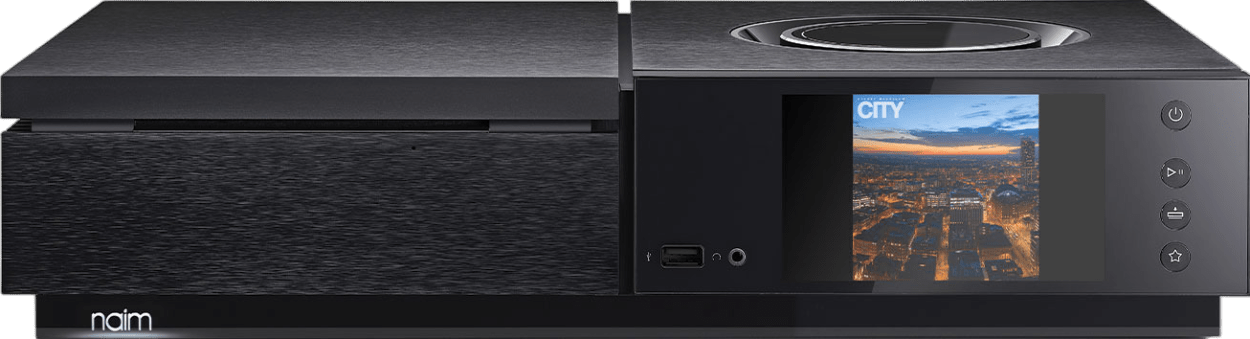
- Fine build quality and premium design, made from high-grade materials
- Easy to set up and use, sliding easily into most audio systems
- The 5' LCD display screen looks amazing and is visible from almost anywhere
Product Considerations
- The app that pairs with the Uniti Star can be difficult to work with and unresponsive at times
- Artwork sometimes gets stuck on the display, requiring a restart to fix
- Time can be frequently wrong on a restart
- Some may find the power rating a bit mild for driving big, full-range speakers
Takeaway: The Naim Uniti Star is a versatile, all-in-one system that sounds great and has lots of features, including CD playback and high-resolution streaming. It offers excellent performance and a premium design, so it could be a great choice if someone wants a convenient and high-quality music system.
Video review
About the brand
What reviewers think
Product Strengths
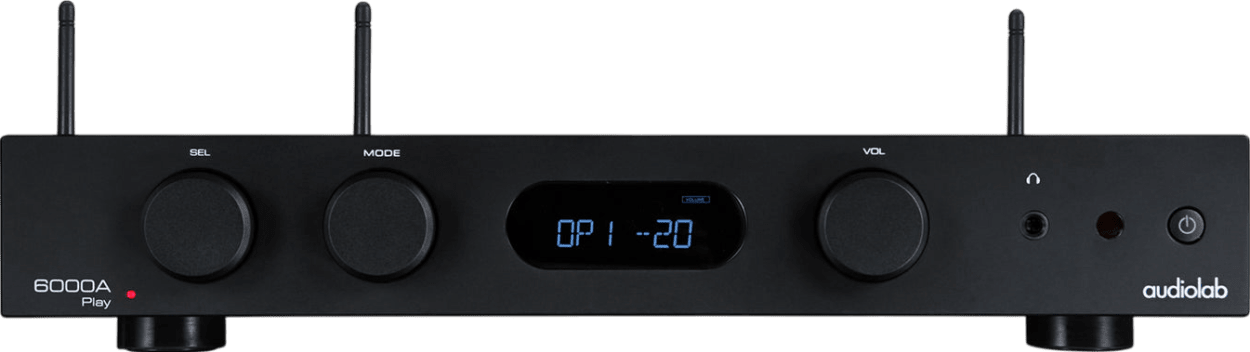
- Analog, digital, and wireless connectivity options are provided, integrating a moving magnet phono preamp, and preamp outputs
- A neutral and resolute sound is delivered, with impressive control over connected loudspeakers, bringing out the best in each speaker
- Well-dampened, controlled, firm, and textural bass is offered, with detail and definition, especially noticeable with rock music
- Great high-frequency performance is featured, airy and delicate without causing tweeter glare or fatigue, making it a great fit for speakers with horn-loaded or brighter tweeters
- It operates as an integrated amplifier, preamplifier, or a straight power amplifier, and is programmable via a menu system or remote
Product Considerations
- DTS Play-Fi streaming can introduce five-second gaps between tracks, affecting enjoyment of albums intended for seamless playback
- The DTS Play-Fi app has limitations as streaming services travel through the phone, meaning your phone or tablet must always be turned on
- The OLED display prioritizes input and volume information over playback details
- The phono preamp may be prone to some noise, specifically ground loop hum, requiring cable or outlet adjustments
- It lacks tone controls, though it does have balance control
Comparisons (according to reviewers)
- Compared to the Yamaha AS801, the Audiolab comes out ahead in every category, save for maybe looks
- Compared to the Bluesound PowerNode, it has a more organic sound compared to the Bluesound's Class D architecture
- Compared to the Musical Fidelity M5SI, the reviewer prefers it, though the M5SI offers more power
- Compared to the Naim Unity Atom, it is more compelling due to budget concerns and the built-in phono preamp
- Compared to the Cambridge Audio AXR100, the reviewer likes it better
Takeaway: The Audiolab 6000A Play is a versatile and capable amplifier that sounds impressive and is a strong option for those wanting an all-in-one streaming solution. Its ability to function as a preamp or power amp, along with its neutral sound signature, makes it a great starting point or even an end-game system for many listeners.
Video review
About the brand