Main list product image
HiFi Audio List

Best Used Speakers to Buy

Our used-listings data is the thing I am proudest of on this site. These speakers show up so often, at such a steady discount, that buying new is hard to justify.
Website author headshot
Julian Shapiro
ExtremeHiFi
Curated
No items found.
Our used-listings data is the thing I am proudest of on this site. These speakers show up so often, at such a steady discount, that buying new is hard to justify.
Julian Shapiro
ExtremeHiFi Writer

Welcome

Some speakers are made in such numbers that the used market is always full of them, and the discount against new is large and steady. These are the ones our used-listing data shows most often, with the average asking price against the new price on each product page. Each entry links to the current used listings and the average asking price.


Video Transcript
Scroll ↓

Products on this list

Product image
Brand logo
KEF
LS50 Meta
1639
/
20
Reviews
The World's First Speakers with Metamaterial. LS50 Meta is a highly precise, emotionally engaging loudspeaker built on revolutionary acoustic technology. Designed around the Uni-Q 12th Generation with Metamaterial Absorption Technology driver array, this solid, compact loudspeaker is capable of delivering detailed sound anywhere in the room.
KEF's idea is the Uni-Q driver, which puts the tweeter in the center of the woofer so every frequency leaves from the same point and the stereo image holds together. The British company, founded in 1961 by former BBC engineer Raymond Cooke, builds almost its whole range around it. Recent models add Metamaterial Absorption Technology, a maze-like structure that absorbs the sound coming off the back of the driver, and the LS50 Wireless II and LS60 Wireless put Uni-Q in a powered cabinet with streaming built in.
Expand Details

What reviewers think

Product Strengths

  • Uni-Q driver array technology creates a wide sweet spot
  • Good imaging and soundstage definition
  • Cabinet is built very solid and weighty, minimizing resonance
  • Smooth and controlled off-axis response
  • Detailed and accurate sound reproduction
  • Produces more detail than expected for the price

Product Considerations

  • Requires a gutsy amplifier to drive them properly due to 85dB sensitivity and impedance dipping below 4 ohms
  • Bass extension limited to around 47Hz, may require a subwoofer for full-range listening
  • Won't play very loud, struggles at high volumes and may not satisfy listeners who prefer loud playback levels
  • Detail in mid-range and soundstage can become muddy if not paired with good amplification
  • Some reviewers found them to be boring

Comparisons (according to reviewers)

  • Vs Neat Iota Alpha, the LS50 Meta has better soundstage depth and bass/treble balance, but Neat has wider dispersion and more biting treble
  • Vs Definitive Technology Demand D11s, the LS50 Meta has better detail and dynamics for small/medium rooms, while D11s are more dispersive and suit larger rooms
  • With tighter bass and no concern for punch/volume, the LS50 challenge the PMC 2523
  • Metas offer transparency reminiscent of the Magnepan 1.7i, and sweet—airy highs similar to the Harbeth SHL5

Takeaway: The LS50 Meta is a well-built speaker that delivers a detailed and accurate sound with impressive imaging. With the right amplifier and positioning, these speakers can provide a very enjoyable listening experience in smaller to medium-sized rooms.

Video review

About the brand

KEF's idea is the Uni-Q driver, which puts the tweeter in the center of the woofer so every frequency leaves from the same point and the stereo image holds together. The British company, founded in 1961 by former BBC engineer Raymond Cooke, builds almost its whole range around it. Recent models add Metamaterial Absorption Technology, a maze-like structure that absorbs the sound coming off the back of the driver, and the LS50 Wireless II and LS60 Wireless put Uni-Q in a powered cabinet with streaming built in.
Website author headshot
Julian Shapiro
ExtremeHiFi Writer
LS50 Meta
Product Page
Product Page
Product image
Brand logo
KEF
LSX II
1299
/
9
Reviews
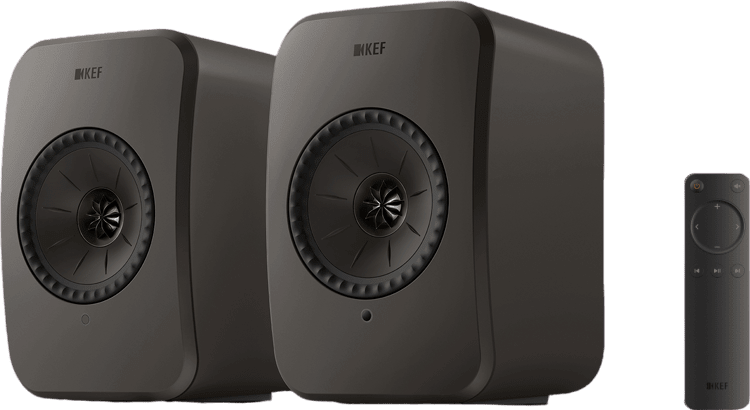
Welcome to a world of High-Fidelity sound that is true enough to touch. This all-in-one speaker system in its second generation: upgraded to deliver a more balanced sound in higher resolution with all-inclusive connectivity. Simply stream anything including AirPlay 2, Chromecast, Spotify and Tidal, or seamlessly connect the LSX II to your laptop, TV and many other devices.
KEF's idea is the Uni-Q driver, which puts the tweeter in the center of the woofer so every frequency leaves from the same point and the stereo image holds together. The British company, founded in 1961 by former BBC engineer Raymond Cooke, builds almost its whole range around it. Recent models add Metamaterial Absorption Technology, a maze-like structure that absorbs the sound coming off the back of the driver, and the LS50 Wireless II and LS60 Wireless put Uni-Q in a powered cabinet with streaming built in.
Expand Details

What reviewers think

Product Strengths

  • Delivers fantastic, room-filling sound from a small footprint
  • Is simple and straightforward to set up using the KEF Connect app
  • Imaging and dynamics are excellent, with the sound mostly spread between, above, and behind the speakers, creating a palpable and impressive sense of the music being there in space
  • Well-balanced sound with punchy dynamics and excellent instrumental separation
  • Offers a wide array of connectivity options including Wi-Fi, Bluetooth, Apple AirPlay 2, Google Chromecast, Spotify Connect, Tidal Connect, Amazon Music, Deezer, USB-C, and HDMI ARC

Product Considerations

  • Bass is good, but those who focus on EDM or hip-hop might want a sub
  • Treble can be slightly rough in the upper midrange to treble transition region, more noticeable with lower quality recordings or data rates
  • For native 24-bit/192kHz playback, a wired connection is required between the speakers
  • KEF Connect app lacks robust full equalizer controls

Comparisons (according to reviewers)

  • Vs Sonos: KEF LSX II offer superior sound quality
  • Vs Q Acoustics M20HDs: KEF LSX II has a more sophisticated app and integration of Spotify Connect and Tidal Connect
  • Vs Original LSX: KEF LSX II's setup is much easier and more seamless thanks to wireless updates
  • Vs KEF LS50 Wireless II and LS60 Wireless: KEF LSX II lacks Metamaterial Absorption Technology (MAT) present in these models

Takeaway: The KEF LSX II is a stylish and versatile wireless speaker system that delivers impressive sound quality and is easy to set up and use. Its wide range of connectivity options and excellent imaging make it a great choice for those looking for a compact and convenient audio solution.

Video review

About the brand
KEF's idea is the Uni-Q driver, which puts the tweeter in the center of the woofer so every frequency leaves from the same point and the stereo image holds together. The British company, founded in 1961 by former BBC engineer Raymond Cooke, builds almost its whole range around it. Recent models add Metamaterial Absorption Technology, a maze-like structure that absorbs the sound coming off the back of the driver, and the LS50 Wireless II and LS60 Wireless put Uni-Q in a powered cabinet with streaming built in.
Website author headshot
Julian Shapiro
ExtremeHiFi Writer
LSX II
Product Page
Product Page
Product image
Brand logo
KEF
LSX II LT
1199
/
11
Reviews
LSX II LT shares the same immersive High-Fidelity sound and key technologies as LSX II at a price you'll love. Powered by KEF's Music Integrity Engine and signature Uni-Q driver array, this compact wireless HiFi speaker system delivers unparalleled sound clarity.
KEF's idea is the Uni-Q driver, which puts the tweeter in the center of the woofer so every frequency leaves from the same point and the stereo image holds together. The British company, founded in 1961 by former BBC engineer Raymond Cooke, builds almost its whole range around it. Recent models add Metamaterial Absorption Technology, a maze-like structure that absorbs the sound coming off the back of the driver, and the LS50 Wireless II and LS60 Wireless put Uni-Q in a powered cabinet with streaming built in.
Expand Details

What reviewers think

Product Strengths

  • Good sound quality that is true to form for KEF
  • Sleek design that appeals to many
  • User-friendly KEF Connect app allows control over volume, source selection, and EQ
  • Integration with streaming services like Spotify, Tidal, Deezer, and Amazon Music is well done
  • Versatile connectivity, including HDMI, USB, optical inputs, Wi-Fi, and Bluetooth

Product Considerations

  • Lacks analog input, preventing direct turntable connection
  • Bass response may require a subwoofer for a full range experience—especially for bass-heavy music or home theater
  • May exhibit some diffraction elements that can affect the sound, though this may reduce sibilance
  • Not Roon Ready, though it can stream via AirPlay or Chromecast
  • Can suffer when playing super bass heavy music at very high volumes

Comparisons (according to reviewers)

  • Vs PSB Alpha IQ: The KEF LSX2 LT offers a mellower take on music

Takeaway: The KEF LSX II LT is a stylish, compact, and versatile wireless speaker system that delivers very good sound quality for its size. It's a great option for desktop use, small to medium-sized rooms, or as an alternative to a soundbar, especially when paired with a subwoofer.

Video review

About the brand

KEF's idea is the Uni-Q driver, which puts the tweeter in the center of the woofer so every frequency leaves from the same point and the stereo image holds together. The British company, founded in 1961 by former BBC engineer Raymond Cooke, builds almost its whole range around it. Recent models add Metamaterial Absorption Technology, a maze-like structure that absorbs the sound coming off the back of the driver, and the LS50 Wireless II and LS60 Wireless put Uni-Q in a powered cabinet with streaming built in.
Website author headshot
Julian Shapiro
ExtremeHiFi Writer
LSX II LT
Product Page
Product Page
Product image
Brand logo
KEF
LS50 Wireless II
2499
/
24
Reviews
LS50 Wireless II is more than a high-performance loudspeaker; it's the perfect all-in-one speaker system, streaming from any source thanks to wireless compatibility with AirPlay 2, Chromecast and more, plus wired connections for your TV, games console and turntable.
KEF's idea is the Uni-Q driver, which puts the tweeter in the center of the woofer so every frequency leaves from the same point and the stereo image holds together. The British company, founded in 1961 by former BBC engineer Raymond Cooke, builds almost its whole range around it. Recent models add Metamaterial Absorption Technology, a maze-like structure that absorbs the sound coming off the back of the driver, and the LS50 Wireless II and LS60 Wireless put Uni-Q in a powered cabinet with streaming built in.
Expand Details

What reviewers think

Product Strengths

  • Smart powered speakers combine convenience with high sound quality.
  • Delivers an incredibly wide and deep soundstage with precise instrument layering and imaging.
  • Produces clear mids, detailed highs, and controlled bass, creating an enjoyable listening experience.
  • Great for both two-channel listening and basic 2.1 home theater setups.
  • Offers multiple connectivity options including Wi-Fi, Bluetooth, AirPlay 2, Chromecast, HDMI, optical, coaxial, analog, USB, and subwoofer outs.
  • Easy to set up and use with a user-friendly app, which offers custom sound profiles, bass and treble adjustments, and subwoofer integration.

Product Considerations

  • Bass response may lack some organic or live quality on certain recordings, potentially sounding clinical to some listeners.
  • Highs lack some sparkle for those who prefer a more metallic ring or sheen.
  • While detailed, the width of the soundstage isn't as pronounced as the depth, at least in some room setups.
  • The speaker prioritizes control, which could make the sound a bit sterile compared to the LS50 Meta.

Comparisons (according to reviewers)

  • The LS50 Wireless 2 offers better stability and flexibility than B&W Formation Duos.
  • The LS50 Wireless 2 provides a decidedly different experience than Kanto YU6.
  • The LS50 Wireless II is warmer and sweeter sounding than KEF LS60 Wireless.
  • KEF LS50 remind a lot of Harbeth speakers with their ability to present details without sounding fatiguing.

Takeaway: The KEF LS50 Wireless 2 is a convenient, all-in-one speaker system that delivers excellent sound quality and ease of use. They are a great choice for those seeking a high-fidelity listening experience without the complexities of separate audio components.

Video review

About the brand

KEF's idea is the Uni-Q driver, which puts the tweeter in the center of the woofer so every frequency leaves from the same point and the stereo image holds together. The British company, founded in 1961 by former BBC engineer Raymond Cooke, builds almost its whole range around it. Recent models add Metamaterial Absorption Technology, a maze-like structure that absorbs the sound coming off the back of the driver, and the LS50 Wireless II and LS60 Wireless put Uni-Q in a powered cabinet with streaming built in.
Website author headshot
Julian Shapiro
ExtremeHiFi Writer
LS50 Wireless II
Product Page
Product Page
Product image
Brand logo
KEF
LS50
1599
/
6
Reviews
LS50 Wireless II is more than a high-performance loudspeaker; it’s the perfect all-in-one speaker system, streaming from any source thanks to wireless compatibility with AirPlay 2, Chromecast and more, plus wired connections for your TV, games console and turntable. Great sound, no strings attached.
KEF's idea is the Uni-Q driver, which puts the tweeter in the center of the woofer so every frequency leaves from the same point and the stereo image holds together. The British company, founded in 1961 by former BBC engineer Raymond Cooke, builds almost its whole range around it. Recent models add Metamaterial Absorption Technology, a maze-like structure that absorbs the sound coming off the back of the driver, and the LS50 Wireless II and LS60 Wireless put Uni-Q in a powered cabinet with streaming built in.
Expand Details

What reviewers think

Product Strengths

  • Agile sounding with precise notes
  • Balanced tonality, neither bright nor dark
  • Capable of creating a rich and big soundstage
  • Excellent taught bass for a 5 inch woofer, can reach 50 Hz in smaller rooms
  • Very high build construction and gorgeous piano black cabinetry

Product Considerations

  • May miss something in the middle and a bit at the top
  • Bass can occasionally sound one note and a little dead
  • Requires a serious amplifier to reward the listener, may sound lightweight with wimpy receivers
  • Can be slightly rough on lesser recordings or strings' leading edges due to the metal tweeter

Comparisons (according to reviewers)

  • Vs Harbeth P3ESR: The KEF trumps the Harbeth in the lack of 'cabinet fog'—which allows a clarity and detail the Harbeth can't quite muster

Takeaway: The KEF LS50 is a speaker that can sound amazing when paired with the right equipment and placed with care, creating a great soundstage. It is worth getting if you want a small speaker with balanced sound and precise imaging.

Video review

About the brand
KEF's idea is the Uni-Q driver, which puts the tweeter in the center of the woofer so every frequency leaves from the same point and the stereo image holds together. The British company, founded in 1961 by former BBC engineer Raymond Cooke, builds almost its whole range around it. Recent models add Metamaterial Absorption Technology, a maze-like structure that absorbs the sound coming off the back of the driver, and the LS50 Wireless II and LS60 Wireless put Uni-Q in a powered cabinet with streaming built in.
Website author headshot
Julian Shapiro
ExtremeHiFi Writer
LS50
Product Page
Product Page
Product image
Brand logo
KEF
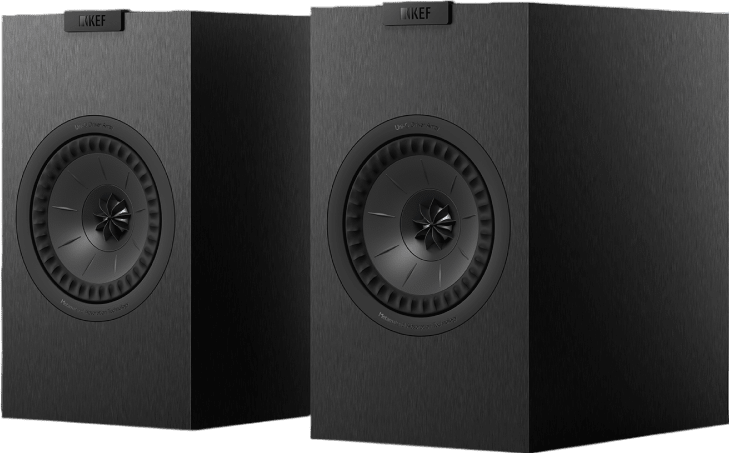
Q1 Meta
599
/
2
Reviews
The compact Q1 Meta HiFi speaker punches above its size, refusing to compromise your listening enjoyment. Like all new Q Series speakers it features a 12th generation Uni-Q driver array and Metamaterial Absorption Technology. The Q1 Meta is the ultimate entry-level speaker for those looking to build their first HiFi sound system.
KEF's idea is the Uni-Q driver, which puts the tweeter in the center of the woofer so every frequency leaves from the same point and the stereo image holds together. The British company, founded in 1961 by former BBC engineer Raymond Cooke, builds almost its whole range around it. Recent models add Metamaterial Absorption Technology, a maze-like structure that absorbs the sound coming off the back of the driver, and the LS50 Wireless II and LS60 Wireless put Uni-Q in a powered cabinet with streaming built in.
Expand Details

What reviewers think

Product Strengths

  • The Q1 Meta delivers detail and realism exceeding its price point
  • Metamaterial technology noticeably improves sound quality compared to previous models like the Q350, LS50, and R3
  • It handles loud volumes without breaking up, with one reviewer noting they experienced peaks of 100dB with an Arcam amplifier
  • Detail retrieval capabilities showcase the differences between various amplifiers, providing flexibility in system building
  • The speaker does exactly what it advertises, and is considered remarkable

Product Considerations

  • The aluminum dome tweeter produces a metallic sheen in the high frequencies, which may not be preferred by all listeners
  • It requires bass support from a subwoofer for optimal performance, as it only goes down to 51Hz
  • The reviewer felt vibrations on the speaker when playing loud, suggesting damping could be improved
  • While it sounds shockingly good in the location, putting it on open back bookshelf speakers near a corner can be less than ideal
  • The Decware Zen Triode (2.3 watts) does not drive the speaker well, and it sounds thin

Takeaway: The Q1 Meta is an affordable speaker that delivers impressive detail and clarity, thanks to its innovative metamaterial technology. With the right amplifier and potentially a subwoofer, it offers a high-quality listening experience that can be enjoyed for a long time.

Video review

About the brand
KEF's idea is the Uni-Q driver, which puts the tweeter in the center of the woofer so every frequency leaves from the same point and the stereo image holds together. The British company, founded in 1961 by former BBC engineer Raymond Cooke, builds almost its whole range around it. Recent models add Metamaterial Absorption Technology, a maze-like structure that absorbs the sound coming off the back of the driver, and the LS50 Wireless II and LS60 Wireless put Uni-Q in a powered cabinet with streaming built in.
Website author headshot
Julian Shapiro
ExtremeHiFi Writer
Q1 Meta
Product Page
Product Page
Product image
Brand logo
Bowers & Wilkins
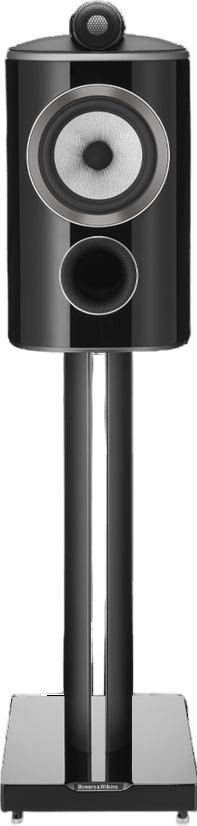
805 D4
9500
/
22
Reviews
Little Diamond 805 D4 might be smaller than its tower speaker siblings, but it's no lightweight: its beautifully constructed Reverse-Wrap cabinet, stiff aluminum bass pods and 165mm (6.5-in) Continuum™ mid-bass cone afford it exceptional bass extension and scale for a relatively compact speaker.
Bowers & Wilkins develops many of its own components in pursuit of a speaker that adds nothing to a recording and takes nothing away. The British company, founded in 1966 by John Bowers, pioneered Kevlar cones and developed the Matrix cabinet to cut resonance. The flagship Nautilus, built for dedicated listening rooms, uses tapered damping tubes to lower distortion. The 606 S3 and 603 S3 open the range with a Titanium Dome tweeter, and the 700 Series adds a Carbon Dome tweeter and Continuum cones. The Zeppelin is on our Best Wireless Speakers list.
Expand Details

What reviewers think

Product Strengths

  •   Excellent build quality, featuring a blend of aluminum, leather, and wood veneer, or gloss paint.
  •   Detailed sound with excellent stereo imagery.
  •   Good detail and clarity.
  •   Wide and deep soundstage.
  •   Design features contribute to cabinet rigidity and reduced coloration.

Product Considerations

  •   May sound bright with the wrong amplifier or cables.
  •   May require a high-power solid-state amp.
  •   Needs quality amplification and may sound soft if underpowered.
  •   Requires stands, adding to the overall cost.
  •   Bass may not satisfy those seeking high-output bass without a subwoofer.

Takeaway: The 805 D4 is an excellent speaker that is beautifully built and delivers a detailed and engaging sound. It's a great option for those seeking a premium listening experience.

Video review

About the brand
Bowers & Wilkins develops many of its own components in pursuit of a speaker that adds nothing to a recording and takes nothing away. The British company, founded in 1966 by John Bowers, pioneered Kevlar cones and developed the Matrix cabinet to cut resonance. The flagship Nautilus, built for dedicated listening rooms, uses tapered damping tubes to lower distortion. The 606 S3 and 603 S3 open the range with a Titanium Dome tweeter, and the 700 Series adds a Carbon Dome tweeter and Continuum cones. The Zeppelin is on our Best Wireless Speakers list.
Website author headshot
Julian Shapiro
ExtremeHiFi Writer
805 D4
Product Page
Product Page
Product image
Brand logo
Bowers & Wilkins
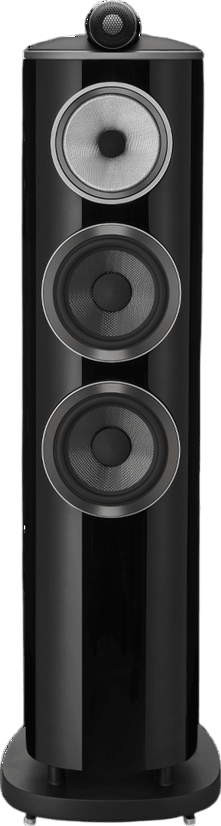
804 D4
15000
/
4
Reviews
For listeners who crave the performance of an 800 Series Diamond tower speaker but prefer a more conventional aesthetic, the 804 D4 is the perfect choice. Its new cabinet and plinth make it our best-performing 804 yet.
Bowers & Wilkins develops many of its own components in pursuit of a speaker that adds nothing to a recording and takes nothing away. The British company, founded in 1966 by John Bowers, pioneered Kevlar cones and developed the Matrix cabinet to cut resonance. The flagship Nautilus, built for dedicated listening rooms, uses tapered damping tubes to lower distortion. The 606 S3 and 603 S3 open the range with a Titanium Dome tweeter, and the 700 Series adds a Carbon Dome tweeter and Continuum cones. The Zeppelin is on our Best Wireless Speakers list.
Expand Details

What reviewers think

Product Strengths

  • The 804 D4 includes all the technology developed for the 800 Series Diamond, but presents them in a more traditional enclosure design and size
  • The midrange driver is a completely new design for Bowers & Wilkins, featuring a biomimetic spider that doesn't create its own sound
  • The speakers deliver a smoother, more realistic midrange and high frequencies that sparkle brighter and with greater purity than previously
  • The reverse-wrap cabinet and internal Matrix bracing minimize resonance due to its stiffer and more inert structure
  • The speaker is easy to position and is happy working fairly close to the rear boundary wall, likely due to its new down-firing bass reflex port

Product Considerations

  • The height of the cabinets and the relatively small footprint of the plinth at the bottom means they're fairly easy to knock over sideways
  • Bowers & Wilkins is assuming that most purchasers of the 804 D4 will bi-wire their speakers because it has not provided the usual solid buss-bars to link the negatives and positives together for customers who do not bi-wire
  • Positioning the 804 D4s proved to be a little more difficult than expected, with the lowest-frequency room mode being excited too much
  • The bass is limited in power and extension in absolute terms
  • They are ever so slightly bright in the higher registers

Comparisons (according to reviewers)

  • Vs Bowers & Wilkins 804 D3, the D4 has a more dynamic sound and is more musically expressive than before

Takeaway: The Bowers & Wilkins 804 D4 is a classy speaker that sounds good with all kinds of music. It is easy to put in your room and is enjoyable to listen to.

Video review

About the brand
Bowers & Wilkins develops many of its own components in pursuit of a speaker that adds nothing to a recording and takes nothing away. The British company, founded in 1966 by John Bowers, pioneered Kevlar cones and developed the Matrix cabinet to cut resonance. The flagship Nautilus, built for dedicated listening rooms, uses tapered damping tubes to lower distortion. The 606 S3 and 603 S3 open the range with a Titanium Dome tweeter, and the 700 Series adds a Carbon Dome tweeter and Continuum cones. The Zeppelin is on our Best Wireless Speakers list.
Website author headshot
Julian Shapiro
ExtremeHiFi Writer
804 D4
Product Page
Product Page
Product image
Brand logo
Bowers & Wilkins
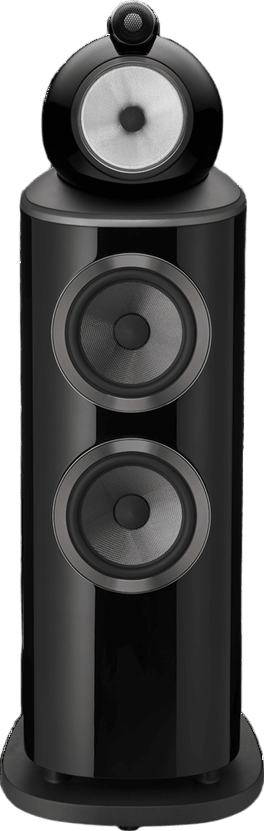
802 D4
31000
/
13
Reviews
Built to similar proportions as the flagship 801 D4, the 802 D4 offers much of the performance of its sibling, including the same Turbine™ Head enclosure for its midrange drive unit, yet is more affordable overall.
Bowers & Wilkins develops many of its own components in pursuit of a speaker that adds nothing to a recording and takes nothing away. The British company, founded in 1966 by John Bowers, pioneered Kevlar cones and developed the Matrix cabinet to cut resonance. The flagship Nautilus, built for dedicated listening rooms, uses tapered damping tubes to lower distortion. The 606 S3 and 603 S3 open the range with a Titanium Dome tweeter, and the 700 Series adds a Carbon Dome tweeter and Continuum cones. The Zeppelin is on our Best Wireless Speakers list.
Expand Details

What reviewers think

Product Strengths

  • Exceptional build quality with meticulous sanding, polishing, and assembly
  • High level of detail reproduction with a clean and uncolored treble, thanks to the diamond tweeter
  • Stable and efficient design with a wide frequency range and high sensitivity
  • Iconic design with a teardrop-shaped cabinet to minimize diffraction and internal Matrix skeleton to reduce resonances
  • Delivers music with extremely low distortion, allowing complex passages to breathe freely

Product Considerations

  • Wheels underneath may mark parquet floors
  • May lack some punch and dynamics in the mid-bass for some listeners
  • Setup can benefit from careful physical adjustments for optimal performance
  • Grills may be compelling as toys for young children

Comparisons (according to reviewers)

  • The 802 D4 is more musically compelling than the 802 D3
  • The 802 D4 delivers more accuracy, especially in the mids and highs, than the 800 D2/D3
  • The 802 D4 has an advantage in airiness, transparency and resolution, though the KEF Blade Two Meta has more brutal dynamics
  • The 802 D4 has less exaggerated sibilance, though the Focal Sopra No3 is more powerful in the midrange

Takeaway: The 802 D4 is an ultra high-end speaker that combines advanced technology and top-shelf materials, delivering exceptional detail and a clean soundstage for an immersive listening experience. It is a speaker that may fill the soul with music.

Video review

About the brand

Bowers & Wilkins develops many of its own components in pursuit of a speaker that adds nothing to a recording and takes nothing away. The British company, founded in 1966 by John Bowers, pioneered Kevlar cones and developed the Matrix cabinet to cut resonance. The flagship Nautilus, built for dedicated listening rooms, uses tapered damping tubes to lower distortion. The 606 S3 and 603 S3 open the range with a Titanium Dome tweeter, and the 700 Series adds a Carbon Dome tweeter and Continuum cones. The Zeppelin is on our Best Wireless Speakers list.
Website author headshot
Julian Shapiro
ExtremeHiFi Writer
802 D4
Product Page
Product Page
Product image
Brand logo
MartinLogan
Motion 20i
999
/
4
Reviews
A compact floorstanding loudspeaker with a performance that is anything but small, the new Motion 20i features a Folded Motion® tweeter, dual 5.5-inch aluminum cone woofers with a rear-firing bass port, and a proprietary Vojtko crossover network.
MartinLogan's idea is the CLS, or curvilinear line source, electrostatic panel, curved horizontally so high frequencies fan out across the room instead of beaming. The American company was started in Lawrence, Kansas, by Gayle Martin Sanders and Ron Logan Sutherland, whose middle names make up the brand. Its hybrid models pair the panel with powered woofers blended by DSP, and Anthem Room Correction can fit the bass to the room. Listeners who prefer cone speakers can choose the Motion series, built around Folded Motion tweeters.
Expand Details

What reviewers think

Product Strengths

  • The Folded Motion tweeter aims to replicate some qualities of electrostatic speaker panels and produces a distinctly natural, organic, and smooth presentation of sound
  • Handsome and comes in a choice of gloss black or white or a walnut wood veneer, its slender dimensions allow these mini-towers to blend nicely in even the most formal of rooms
  • The cabinet features reinforced internal bracing, with 1.2-inch thick MDF baffles and 0.7-inch thick MDF walls, which help to reduce cabinet resonances that might otherwise color the sound
  • Broad imaging characteristic provides a wide soundstage, which translates into a large listening sweet spot
  • Build quality is excellent, with flawless cabinet quality, and fine details such as a front trim plate that covers the driver mounting hardware

Product Considerations

  • Getting the Motion 20i to create a believable stereo image is not quite as simple as it might seem, careful toe-in is required
  • There is a mild deficit in image depth, and bass extension isn't particularly competitive, low bass falls short of what many may expect from a floorstanding loudspeaker
  • Placement requires care and can sound too laid back
  • The Motion 20i doesn't always possess the type of clarity and definition in the midrange to create an accurate stereo image

Comparisons (according to reviewers)

  • Vs GoldenEar Technology's Triton Seven: Pricing is in line, making them directly comparable, and the Triton Seven has a deeper bass response down to 29Hz, while the Motion 20i has the luxurious finish
  • Vs Emotiva's Airmotiv T1+: The Airmotiv T1+ is a tremendous value, however, the appearance of the T1+ is not as refined as the Motion 20i
  • Vs Spendor's A2: The Spendor can't quite match the space and three dimensionality of the Motion 20i and is less sensitive, but the A2 is far less demanding about where it is placed in a room and delivers a far superior level of rhythmic engagement
  • Vs Focal Kanta No. 2: The Motion 20i could come as close as it did to the Focal Kantas presenting more bass and midrange, as well as overall image size, due to the substantially larger overall speaker cabinet size, and with the upper-frequency range, it was a dead heat
  • Vs Monitor Audio Gold GX50: The 20is had a slightly narrower sweet spot, and, compared to the GX50's, the 20is don't always possess the type of clarity and definition in the midrange to create an accurate stereo image
  • Vs MartinLogan Electro Motion ESL: The Electro Motion ESL has a disparate design, if someone was shopping around for a MartinLogan speaker in this price range, they would be tempted to bump up their budget and clear a little extra floorspace

Takeaway: The MartinLogan Motion 20i is a well-built and handsome speaker with a Folded Motion tweeter that delivers a smooth and natural sound, making it a great choice for long listening sessions. If a user is willing to spend a little time making sure it is working correctly in their room, this is a supremely talented and highly appealing small floorstander.

Video review

About the brand

MartinLogan's idea is the CLS, or curvilinear line source, electrostatic panel, curved horizontally so high frequencies fan out across the room instead of beaming. The American company was started in Lawrence, Kansas, by Gayle Martin Sanders and Ron Logan Sutherland, whose middle names make up the brand. Its hybrid models pair the panel with powered woofers blended by DSP, and Anthem Room Correction can fit the bass to the room. Listeners who prefer cone speakers can choose the Motion series, built around Folded Motion tweeters.
Website author headshot
Julian Shapiro
ExtremeHiFi Writer
Motion 20i
Product Page
Product Page
Product image
Brand logo
MartinLogan
Motion Foundation F1
562
/
1
Reviews
The Foundation F1 is perfect for those desiring the performance of a floorstanding speaker but would prefer a more compact design. Offering a tighter footprint than the larger Foundation F2, the Foundation F1 is ideal for those with smaller spaces.
MartinLogan's idea is the CLS, or curvilinear line source, electrostatic panel, curved horizontally so high frequencies fan out across the room instead of beaming. The American company was started in Lawrence, Kansas, by Gayle Martin Sanders and Ron Logan Sutherland, whose middle names make up the brand. Its hybrid models pair the panel with powered woofers blended by DSP, and Anthem Room Correction can fit the bass to the room. Listeners who prefer cone speakers can choose the Motion series, built around Folded Motion tweeters.
Expand Details

What reviewers think

Product Strengths

  • Crisp and detailed highs due to the Gen2 Obsidian Folded Motion Tweeter (FMT) and Folded Motion Waveguide
  • Clear, detailed, and well-balanced sound through the combination of the Folded Motion XT tweeter, mid-range drivers, and woofers
  • User-friendly manual and straightforward setup
  • Sleek, modern, and beautifully made design
  • Versatile for different media types due to its wide frequency range, making it suitable for movies, music, and gaming

Product Considerations

  • May require a stout amplifier due to its 4-ohm nominal impedance
  • Sensitive to placement, requiring trial and error to find the optimal position for the best sound quality

Comparisons (according to reviewers)

  • Vs Martin Logan Foundation F2: The F1 has a more compact design and is suitable for smaller spaces, while the F2 has a larger footprint and delivers more substantial sound with deeper bass, but the F2 comes at a higher cost

Takeaway: The MartinLogan Motion Foundation F1 speakers offer exceptional sound quality and a sleek design, making them a worthwhile investment for audiophiles and home theater enthusiasts. They are versatile speakers that enhance the listening experience across various media types.

Video review

About the brand

MartinLogan's idea is the CLS, or curvilinear line source, electrostatic panel, curved horizontally so high frequencies fan out across the room instead of beaming. The American company was started in Lawrence, Kansas, by Gayle Martin Sanders and Ron Logan Sutherland, whose middle names make up the brand. Its hybrid models pair the panel with powered woofers blended by DSP, and Anthem Room Correction can fit the bass to the room. Listeners who prefer cone speakers can choose the Motion series, built around Folded Motion tweeters.
Website author headshot
Julian Shapiro
ExtremeHiFi Writer
Motion Foundation F1
Product Page
Product Page
Product image
Brand logo
Magnepan
1.7i
2995
/
6
Reviews
This is a genuine Hall of Famer, and an easy pick for TAS 2021 Budget Product of the Year. In Issue 107, JV (Jonathan Valin - the absolute sound) selected Magnepan's tall, skinny, three-way, full range, quasi-ribbon, dipole MG 1.7 floorstander as one of his favorite loudspeakers of the last 70 years.
Magnepan is an American speaker maker founded in 1969 by Jim Winey, the inventor of the Magneplanar. In place of a cone and box, a thin aluminum strip attached by hand to Mylar film drives the whole surface of the film, so the panel radiates front and back as a line source. The 3.7i and 20.7 add a true ribbon tweeter, and every pair is made in Minnesota. The panels act like a simple resistor, a natural match for amplifiers comfortable with four ohms, and the LRS+ heads our All Planar and Electrostatic Speakers list.
Expand Details

What reviewers think

Product Strengths

  • Very obvious increase in bass compared to the .7 or the LRS
  • Incredible soundstage
  • Unparalleled holographic soundstage
  • The placement and spacing of performers in the venue were truly remarkable
  • Clear, detailed, and enjoyably realistic

Product Considerations

  • The amplifier is critical—driving them correctly is essential for true fidelity
  • Some sonic damping material on the walls behind the speakers can reduce the ratio of reflected-to-direct sound
  • More room is needed than the LRS or the 0.7
  • Significant break-in time is required before certain sonic constraints gradually melt away, leaving a far better transducer

Comparisons (according to reviewers)

  • Compared to the Dahlquist DQ-10—the bottom end of the Maggies was the best, quick, clean, and had exemplary pitch definition
  • Compared to the Harbeth M40.1—Harbeths can definitely make poorer and brighter recordings easier on the ear, whereas, Maggies have a lot less mercy

Takeaway: The Magnepan 1.7i is a highly detailed speaker that realistically reproduces the soundstage and spacing of instruments, especially for live music. It is an exceptional choice for those who appreciate the beauty of live music.

Video review

About the brand
Magnepan is an American speaker maker founded in 1969 by Jim Winey, the inventor of the Magneplanar. In place of a cone and box, a thin aluminum strip attached by hand to Mylar film drives the whole surface of the film, so the panel radiates front and back as a line source. The 3.7i and 20.7 add a true ribbon tweeter, and every pair is made in Minnesota. The panels act like a simple resistor, a natural match for amplifiers comfortable with four ohms, and the LRS+ heads our All Planar and Electrostatic Speakers list.
Website author headshot
Julian Shapiro
ExtremeHiFi Writer
1.7i
Product Page
Product Page
Product image
Brand logo
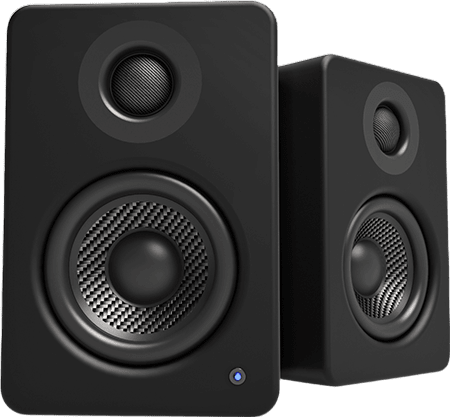
Kanto
YU2
299
/
4
Reviews
A design element in its own right, YU2 brings character and substance to your desktop. Its built-in soundcard lets you stream high-quality audio directly from your computer's USB port, delivering sound that challenges the notion that bigger is better.
Kanto is a Canadian maker of powered speakers, founded in 2007, with its design studio in Vancouver. Since the early 2010s its signature has been compact speakers in bright colors that need no receiver or separate amplifier. The YU4 and YU6 put a phono preamp inside the speaker, so a turntable can plug straight in. The TUK adds an Air Motion Transformer tweeter, which Kanto credits for its clarity, and the ORA is a small studio-style desktop pair. The TUK and YU6 are on our Best Powered Speakers for Turntables list.
Expand Details

What reviewers think

Product Strengths

  • Small and compact size is ideal for desktop setups
  • Good sound quality is described as clear, tight, and detailed
  • High-quality build and premium feel
  • Includes all necessary cables for setup
  • Built-in DAC bypasses computer's sound card for improved audio experience

Product Considerations

  • Lacks bass without a subwoofer, which is recommended to purchase separately
  • Some reviewers find the sound signature a little too bright and potentially fatiguing
  • Volume knob is located on the back of the speaker, making adjustments inconvenient

Comparisons (according to reviewers)

  • Vs Audioengine A2 Plus—YU2 has higher resolution, wider soundstage, and overall more exciting sound signature

Takeaway: The Kanto YU2 is a great choice for those looking for compact desktop speakers with good sound quality. The speakers are small, well-built, and offer a clear audio experience.

Video review

About the brand
Kanto is a Canadian maker of powered speakers, founded in 2007, with its design studio in Vancouver. Since the early 2010s its signature has been compact speakers in bright colors that need no receiver or separate amplifier. The YU4 and YU6 put a phono preamp inside the speaker, so a turntable can plug straight in. The TUK adds an Air Motion Transformer tweeter, which Kanto credits for its clarity, and the ORA is a small studio-style desktop pair. The TUK and YU6 are on our Best Powered Speakers for Turntables list.
Website author headshot
Julian Shapiro
ExtremeHiFi Writer
YU2
Product Page
Product Page

Brands

No items found.
What's ExtremeHiFi?

We're the encyclopedia of hifi—the largest library of hifi audio products and reviews. We read every review, talk to every brand, and help you figure out what to buy. We also have the largest database of used products to browse. Search our database to see everything.

Product Categories