Welcome
Below $1,000 the DAC market is crowded with units that measure at or past the limits of hearing, so the differences are inputs, outputs, build and the sound of the output stage. The Chinese brands compete on measurements; iFi, Schiit and Cambridge compete on character and features. Ranked by review count.


Products on this list




What reviewers think
Product Strengths
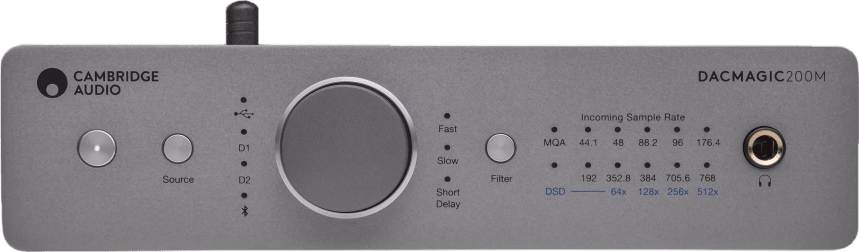
- Rich feature set is its ace card
- Presents a very clean, detailed, and dynamically punchy sound
- Tonal smoothness and expansive soundstage
- Balanced and unbalanced outputs, plus a headphone output
Product Considerations
- Front fascia is a wee bit cluttered
- Lacklustre feel of the volume control
- No remote control
- The headphone output is a useful convenience feature, but it doesn't live up to the unit's performance in other areas
- Auto-shut-off feature turns it off after a little while of not being used
Comparisons (according to reviewers)
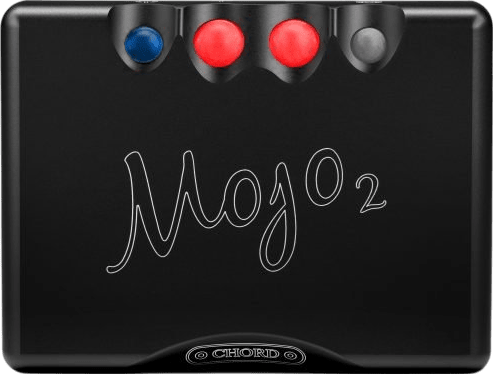
- Vs Chord Mojo: Chord edges ahead in performance, delivering even greater subtlety and rhythmic precision, but it can't match the DacMagic 200M's impressive feature versatility
- Vs Schiit Bifrost: Bifrost offers more meat on music's bones, making the DacMagic 200M sound comparatively lighter weight, presenting a skinnier version of the music at hand
- Vs Denafrips ARES II: The DacMagic 200M sounds pale as it does its best to tease out music's kaleidoscope of tone colors
- Vs Audiolab M-DAC+: Rhythmically the DacMagic 200 does a good enough job, it can't compete with the next tier up of DACs costing close to twice its price
- Vs Pro-Ject Pre Box S2 Digital: The sound of the Pro-Ject DAC was not as different from that of the DacMagic
Takeaway: The DacMagic 200M is a feature-rich device with good sound, offering balanced and unbalanced outputs, plus a headphone output. Its versatile feature set makes it a great all-rounder at its price point.
Video review
About the brand


What reviewers think
Product Strengths
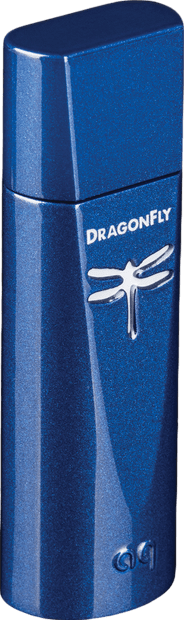
- Provides a simple, effective, and affordable solution to improve sound quality from computers
- Delivers a bold sound that is brimming with punch and detail, offering a more natural and vivid listening experience
- Improves clarity and cohesiveness of sound with seamless transitions between low, middle, and high frequencies
- Offers excellent value for money, representing a worthwhile upgrade for those who care about sound quality and listen to music on laptops, tablets, or smartphones
- The slow roll-off filter in the Cobalt allows for a more natural and balanced sound
- Connectivity options offer usage with a variety of devices
Product Considerations
- Maximum output voltage before clipping drops quite early on as load impedance decreases, due to the output stage's finite current supply
- Maximum PCM sample rate remains 96/24, and DSD is not supported natively
- DragonTail adaptor fits poorly
- Some users reported a firmware bug, on some mobile devices turning volume down to zero results in full blast volume
Takeaway: The DragonFly Cobalt is a small, portable device that improves music sound quality. It is a great choice for anyone wanting to improve their listening experience.
Video review
About the brand

What reviewers think
Product Strengths
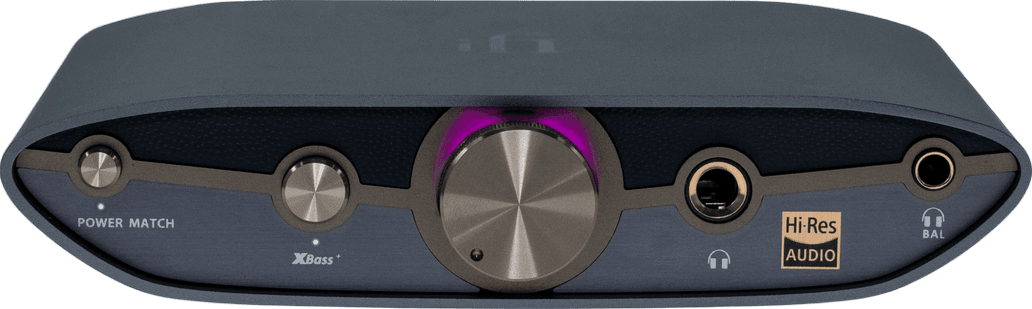
- Delivers clean, musical, and entertaining sound
- Features a new USB-C input
- Good build quality and aesthetic design
- Includes XBass+ for bass enhancement
- Simple to set up and use
Product Considerations
- Audible noise floor reported, especially with sensitive IEMs
- May not have enough power for demanding planar headphones
- Simultaneous output to all connected devices may require manual switching
- XBass+ may be too much for some users or cause distortion at higher volumes
- Some reviewers feel the power output is a downgrade from previous models
Comparisons (according to reviewers)
- ZEN DAC 3 has more practical outputs for desktop use, but Go Bar has lower noise floor and is more portable
- ZEN DAC 3 is more colorful, dynamic, and crisp, while C200 sounds flatter
- Similar vivid sound, but ZEN DAC 3 has warmer, punchier bass
- ZEN DAC 3 sounds warmer and punchier, while X5 creates a wider soundstage
- DX3 Pro+ offers more power and a more neutral sound, while ZEN DAC 3 offers a more musical sound signature
Takeaway: The iFi ZEN DAC 3 is a stylish and easy-to-use DAC/AMP that delivers a musical and engaging sound, making it a good all-around choice for desktop audio. It offers a lot of features for the price, like balanced outputs and XBass+, so listeners can enjoy music with great sound.
Video review
About the brand
What reviewers think
Product Strengths
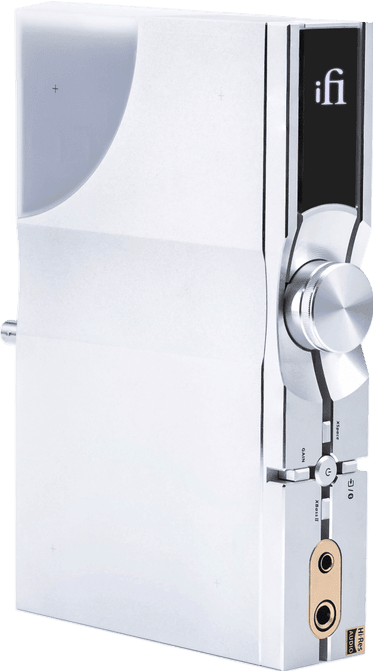
- The NEO iDSD 2 functions as a versatile all-in-one (AIO) solution, working as a DAC, headphone amplifier, and preamplifier
- It has a significantly more powerful amplifier section than its predecessor, making it better at driving a wider range of headphones
- Includes sound-shaping features such as XBass and XSpace, plus selectable digital filters, allowing users to customize the sound
- Comprehensive connectivity options include USB, S/PDIF (coaxial/optical), Bluetooth 5.4 with aptX Lossless, and both balanced XLR and single-ended RCA outputs
Product Considerations
- The amplifier section may not be powerful enough to drive some very power-hungry headphones to their full potential
- The Nexis app only works with a 2.4ghz WiFi signal
- There is a slight click or noise when switching inputs as a pre-amp
- Some reviewers would have preferred the inclusion of the iPower X power adapter instead of the iPower V2, considering the unit's price
- The variable volume output may not save the last used settings
Takeaway: The iFi Audio NEO iDSD 2 combines a high-quality DAC with a significantly improved headphone amplifier, making it a good all-in-one solution for desktop audio. With its wide range of features, solid build quality, and pleasing sound, the NEO iDSD 2 is a worthwhile upgrade.
Video review
About the brand

What reviewers think
Product Strengths
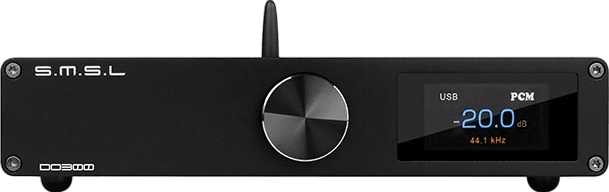
- The DO300 is packed with features like XMOS XU-316, PCM support up to 32-bit/768 kHz, DSD support to DSD512, I2S input, and Bluetooth 5.0 with LDAC, aptX HD, AAC, and SBC
- Offers a wide range of input and output options, including USB, Optical, Coaxial, AES/EBU, I2S, RCA, and XLR
- Provides a clean, detailed, and neutral sound signature with a smooth texture and no audible distortion or background noise
- Offers a variety of digital filters (PCM and DSD) and 'Sound Color' DSP settings to tweak the sound characteristics to personal preferences
- Good build quality, featuring a solid, well-built aluminum chassis
Product Considerations
- Stage depth and microdynamics are lacking compared to higher-end DACs
- Issues with DSD file playback have been noted, citing high replay gain and reduced dynamic range
- The matte black coating of the chassis tends to attract fingerprints and grease
- The rotary encoder (volume knob) is described as feeling cheap and mushy
- Lacks an auto-standby feature and a status LED when the LCD screen is turned off, potentially leading to the device being left on unintentionally
Comparisons (according to reviewers)
- Compared to the SMSL SU-9 Pro, the SU-9 Pro has a more laid-back midrange and a tidier bassline, while the DO300 has a more forward presentation, fuller bass, and warmer midrange
- Compared to the Topping E70 Velvet, the E70 Velvet is tonally somewhere in between the SU-9 Pro and DO300, slightly warmer than the SU-9 Pro but not as warm as the DO300
- Compared to the HIFIMAN EF400, the EF400 is more natural-sounding, making instruments sound more like themselves, but it's not as quiet or detailed as the DO300
- Compared to the SMSL M400, the DO300's treble is not as etched as the M400's, and it doesn't push upper-mids forward as much
- Compared to the SMSL DO200 MKII, the DO300 provides more nuance, separation, depth, and detail
- Compared to the Pro-Ject DAC BOX DS, the SMSL DO300 has better connectivity, detailed, dynamic, impactful sound, a wider soundstage, and better instrument separation
Takeaway: The SMSL DO300 is a feature-rich DAC that delivers a clean and enjoyable listening experience. It could be a great addition to an audio setup to provide versatile connectivity and a customizable sound.
Video review
About the brand

What reviewers think
Product Strengths
- Great sound quality, with a clean, detailed, and neutral sonic performance for the price
- A versatile list of input options, including USB-C, coaxial, optical, and Bluetooth 5.0 with LDAC support
- Compact size, taking up less desktop space than many other home audio solutions
- Includes a remote control that provides a comprehensive set of controls
- The DAC reflects the track as it is, without added coloration
Product Considerations
- After a year of usage, one review indicates that their SU-6 developed distortion issues, and customer support was difficult to deal with, leading them to distrust the brand
- It only has single-ended RCA outputs, lacking balanced output options
- The touch-sensitive button on the front can be unpractical
- Bluetooth connection is not the primary choice for critical listening, because the images tend to blur together more often
- Slighty bright signature, with a taut note texture and mostly balanced throughout the spectrum, with an etched—slightly sharp-sounding—high end which can sound a little intense on amplified instruments
Comparisons (according to reviewers)
- Vs Topping E30: Healthier baseline and a little bit more of high frequency extension
- Vs FX Audio Deck M1: Sounds a little bit warmer and a little bit more laid-back spatially and dynamically, while Deck M1 is simply clearer, cleaner, a touch more aggressive and forward, and overall sounds a little bit more spacious
- Vs Topping D30 Pro: Clearly a more capable DAC
Takeaway: The SMSL SU-6 is a compact and versatile DAC that delivers a great listening experience. With all of its features, it is a good starting point for experiencing the world of hifi.
Video review
About the brand
What reviewers think
Product Strengths
- Complete set of input and output sections, including Bluetooth
- Feature-rich with many options and settings for tweaking the sound
- Sleek and modern design, with a premium-looking, solid build quality
- Expansive imaging performance and a natural soundstage
- Balanced and engaging sound signature
Product Considerations
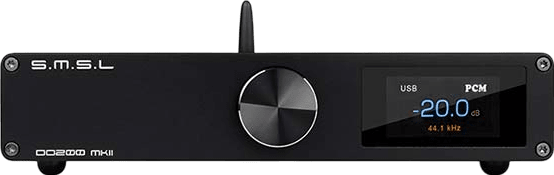
- Essentially the same DAC as the original DO200
- No status LED exists when the LCD screen is off, making it difficult to tell if the device is powered on or off
- Remote control is made of plastic and is not considered particularly special
- Strong competition exists at the same price point from other DACs
- Could use more finesse to keep up with the competition
Comparisons (according to reviewers)
- Vs SMSL M500 MKII: The M500 MKII is more extended up top and feels more open, with a slightly more forward sound, though both share a similar level of detail retrieval
- Vs Topping E70 Velvet: The E70 Velvet digs more inner tone texture and air from the recording without sacrificing any of the tone richness and fullness, making it a better deal
- Vs SMSL SU-9 Pro: The SU-9 Pro sounds almost the same as the E70 Velvet
- Vs SMSL DO200 (original): The sonic presentation is similar
- Vs HIFIMAN EF400: The DO200 MKII sounds somewhere in between the two sonic modes of EF400
- Vs KECES S3: The Keces S3 has a brighter treble, colder tonality, wider soundstage—and better extension in both the treble and the bass
Takeaway: The SMSL DO200 MKII is a versatile DAC that offers a lot of features and a clean sound, making it a good choice for users who want options and good performance. A competent device with a great selection of inputs and sonic adjustment options makes it a solid addition to any audio setup.
Video review
About the brand

What reviewers think
Product Strengths
- Excellent sonic performance, characterized by neutrality, transparency, and detail retrieval
- The MA Remote app is intuitive and feature-rich, offering access to various streaming services and settings
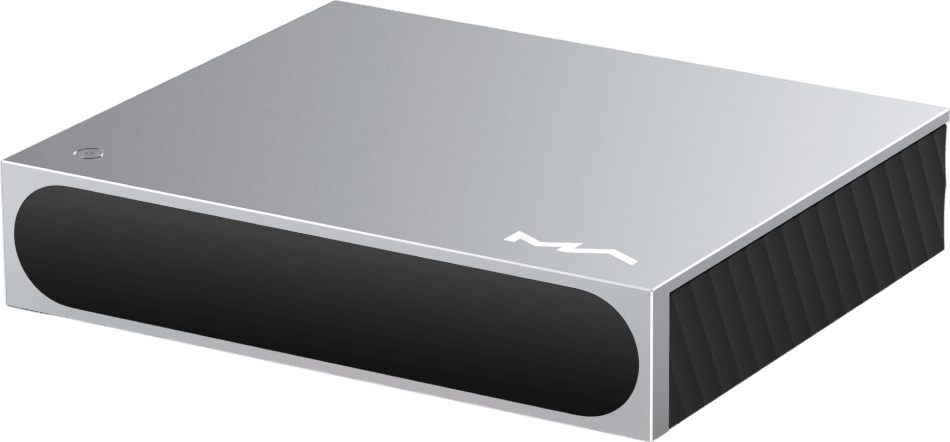
- Solid build quality with an aluminum chassis, though the sides are plastic, and a bright, clear LCD screen
- Versatile connectivity with a wide array of inputs, including USB-C for external storage, HDMI ARC, optical, coaxial, and analog RCA inputs
Product Considerations
- Lacks wireless connectivity—no Wi-Fi or Bluetooth
- Does not come with a physical remote, the RM5 is sold separately
- Some users have experienced issues with navigating large local music libraries
- Some reviews mention the touch screen controls being a bit fiddly
- No digital output to support an external DAC
Comparisons (according to reviewers)
- Vs Bluesound Node (2021): Mini-i 4 has better detail retrieval and is cleaner sounding
- Vs EverSolo DMP-A6: DMP-A6 sounds more natural with bolder bass and better soundstaging, while Mini-i 4 sounds tonally and spatially flatter
- Vs Matrix Audio Mini-i 3 Pro: Mini-i 4 has a wider range of source repositories and USB storage reader
Takeaway: The Matrix Audio Mini-i 4 is a great sounding device for anyone wanting a DAC and streamer that can do it all. With its comprehensive set of features and focus on audio quality, enjoying music becomes easy.
Video review
About the brand


What reviewers think
Product Strengths
- Clean and transparent sound signature, faithfully reproducing the source material without adding coloration
- Excellent measured performance, achieving some of the highest signal-to-noise ratio and lowest distortion levels
- Higher output setting of 5V XLR/2.5V RCA can cause input overload with some preamplifiers or headphone amplifiers
- Supports a wide array of digital inputs including USB, I2S, Optical, Coaxial, AES, and Bluetooth with comprehensive codec support
Product Considerations
- Included remote control found to be basic or not fully functional by some reviewers
- Menu system can be cumbersome to access
- 'Louder' sound signature compared to other devices was not always ideal for some reviewers
- ESS DAC chip employed might not be the best for DSD playback
Comparisons (according to reviewers)
- Vs Topping D90 MQA: The D90SE has better bass impact and transient response, with more detail and transparency, while the D90 MQA is smoother and more relaxed
- Vs Gustard X-16: Sonic differences are difficult to discern, with the D90SE offering a similar level of performance
- Vs Topping EX-5: The D90SE plays a little bit cleaner—the notes are just a little bit more in their lane, everything is just a little bit sharper, a little bit cleaner
- Vs Matrix Audio Element X: The D90SE had a clearer and more transparent sound, but the Element X has a much nicer volume control and preamplifier section
- Vs Schiit Modi Multibit: The D90SE provides superior detail retrieval, making the sound more transparent, dynamic, and accurate
Takeaway: The Topping D90SE is a top-performing DAC that delivers incredibly clean and detailed sound, making it a great choice for audio enthusiasts seeking a transparent and accurate listening experience. It provides great value for its price.
Video review
About the brand

What reviewers think
Product Strengths
- Exceptional build quality, with a premium feel thanks to the aluminum chassis and attention to detail
- Clean, crisp, and clear sound, with a neutral presentation that resolves detail well
- Well-implemented headphone amplifier that can drive a wide range of headphones, and the headphone level reverts to the last used
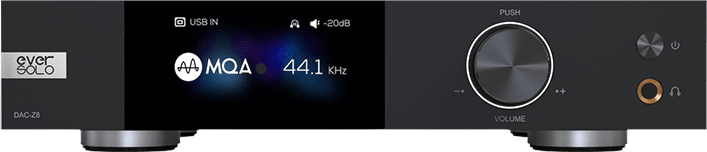
- Bright and crisp LCD screen with VU meters adding to its visual appeal
- Versatile connectivity with USB-B, USB-C, optical, coaxial, and Bluetooth inputs, as well as balanced XLR and RCA outputs
Product Considerations
- Lacks HDMI ARC input, which would be useful for hybrid setups
- Some reviewers find the treble a little aggressive and fatiguing with certain recordings or speakers
- No Wi-Fi or Ethernet connectivity, meaning a computer or other network streaming device is needed
- No dedicated subwoofer output
- Not a tone control, those looking for a colored or editorialized sound should look elsewhere
Comparisons (according to reviewers)
- The Z8 has a more nuanced presentation and better separation than the Cambridge Audio DACMagic 200M
- The Z8 is smoother with a darker background on the headphone output, but the SMSL M500 MKII is warmer and fuller sounding on the line outputs
- The Z8 has a cleaner sound, darker background, and deeper soundstage on the line-outs than the Topping DX5, but the DX5 has more powerful headphone amplification
- Java Hi-Fi gives a slightly cleaner presentation with more authority in the bass than the Z8
Takeaway: The Eversolo DAC-Z8 is a well-built and versatile DAC that delivers a clean and detailed sound. It is a great option for users looking for a high-quality DAC with a range of features, including a headphone amplifier and preamp capabilities.
Video review
About the brand

What reviewers think
Product Strengths
- Easy streaming setup
- BluOS streaming platform is stable, responsive, and organized, which allows one to access local and networked libraries
- The internal DAC allows one to run the NODE directly into a preamp, integrated amplifier, or pair of powered/active loudspeakers as a source
- Has digital and analog outputs, a USB, Optical, and COAX out, as well as a SUBWOOFER OUT
Product Considerations
- BluOS control app isn't as user-friendly as some competitors, taking time to master
- There's no supplied remote
- Tone controls remain oddly limited in variable range
- Some reviewers recommend connecting via ethernet cable for a stable connection
- The BlueOS apps have issues, and the player intermittently will not be detected in iphone, ipad and windows desktop app
Comparisons (according to reviewers)
- The Cambridge Audio MXN10 offers superior dynamic transparency and rhythmic insight, but the Bluesound Node is still an appealing affordable box
Takeaway: The Node is a great way to add streaming to an existing system and delivers high-quality audio with versatile connectivity. It offers a comprehensive set of features to turn an audio system into a modern music-streaming system.
Video review
About the brand


What reviewers think
Product Strengths
- Comprehensive streaming service integration, offering AirPlay 2, Chromecast, Spotify Connect, and Tidal Connect
- Clean and detailed sound
- Roon Ready certified
Product Considerations
- The user experience is not seamless and can be frustrating due to a disjointed app
- Lacks Bluetooth connectivity
- The on-unit menu is difficult to navigate
Comparisons (according to reviewers)
- Vs Cambridge Audio CXN (V2): The CXN is more dynamic, agile, and unearths a greater degree of texture and depth in recordings
Takeaway: The Arcam ST5 is a well-built streamer with solid sound and integration of many streaming services. It is a good choice for those wanting to enhance their listening experience.
Video review
About the brand
What reviewers think
Product Strengths
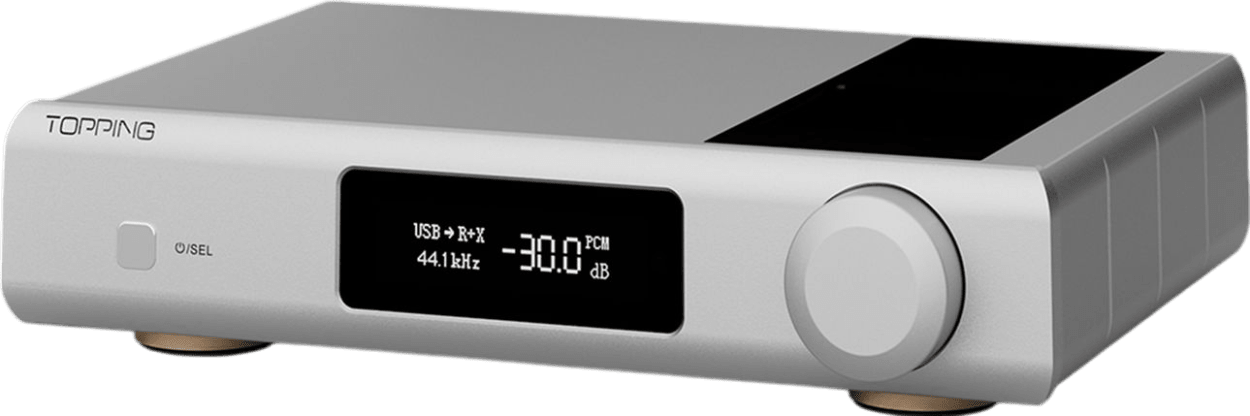
- Very detailed and resolving sound, capable of revealing nuances in music
- Fast, punchy, and dynamic sound, especially good for electronica, rock, and metal
- Produces a holographic soundstage with good depth and focus, better than some entry-level R2R DACs
- Has a very low noise floor, making it easy to focus on faint sounds
- Tonally neutral and linear frequency response, revealing the quality of the recording
Product Considerations
- The plastic remote control may feel cheap compared to the unit
- Some reviewers would prefer more warmth and life in the midrange
- Can sound analytical at times, lacking some refinement or lushness compared to some other DACs
Comparisons (according to reviewers)
- D90 Discrete is more detailed and resolving than the D90 SE/MQA
- D90 Discrete has higher resolution, dynamics, and snappiness, than the SMSL SU-10
- D90 Discrete has greater resolution, inner tone textures, and is snappier and punchier, than the Chord Cutest
- D90 Discrete is faster, more precise, and punchier, than the Holo Audio Scion 2
- D90 III Sabre has better transparency and dynamics, and is more forward-sounding, than the Topping D70 Pro Octo
- D90 III Sabre is more neutral, with a tidier and quicker bassline, and more etched tone edges, than the SMSL SU-10
Takeaway: The D90 offers impressive resolution, dynamics, and a holographic soundstage, making it a great option for those seeking a detailed and accurate listening experience. It has an honest, ultra-linear sound, especially good for audiophiles who don't want colorations.
Video review
About the brand

What reviewers think
Product Strengths
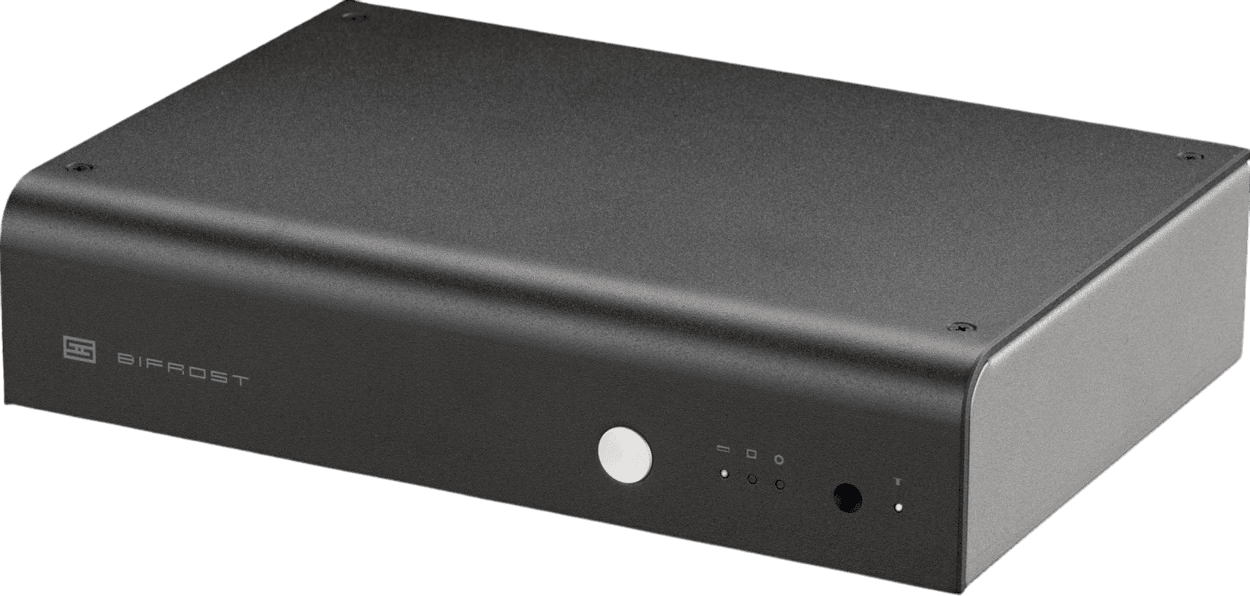
- Better clarity than previous versions
- Better low-end definition, layering, wider soundstage, and dynamics compared to previous versions
- Is upgradable with user-serviceable cards and firmware
- High build quality, and products are made in the USA
- Has a warmer sonic climate, and a slightly laid-back groove
Product Considerations
- The original Bifrost had a hazy sound, while the AK4399 version was a little bright with not a lot of bass
- The multibit version can sound hazy, with less low-end definition and not much punch
- The highs on the BF 2/64 may stick out a little bit more than the original BF 2
- On its own, the Bifrost 2 can be unrelentingly sharp in its presentation, and sometimes come across as too harsh or focused
Comparisons (according to reviewers)
- Vs Schiit Gungnir: The Bifrost 2 offers almost the same performance as the Gungnir for almost half the price
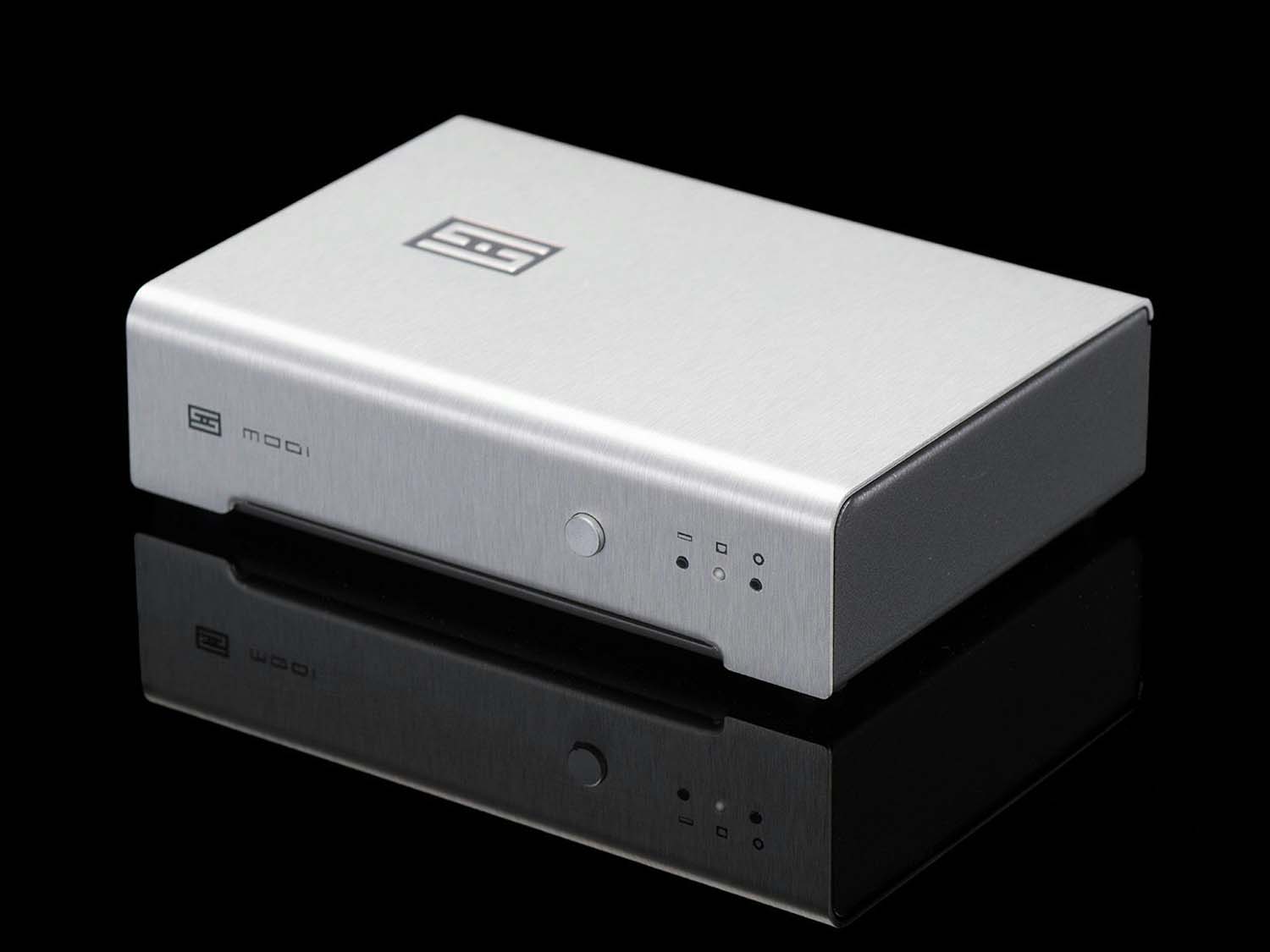
- Vs Schiit Modius: The Bifrost has added front–back dimensionality, with layering and sparkle in the treble making it more exciting than the Modius
- Vs Schiit Asgard 3 Multibit: The Bifrost feels like turning up the brightness and vividness on your TV by a couple of percent
Takeaway: The Bifrost is a great DAC that connects the listener to their music, giving excellent clarity and a wider soundstage. It is a steal of a deal because it has a better low end and is very dynamic.
Video review
About the brand


What reviewers think
Product Strengths
- Versatile device functions as a DAC, DSP unit, preamplifier, and headphone amp.
- Feature-rich with extensive equalization function, selectable filters, and a remote control.
- Clean, neutral sound signature allows the music to shine through.
- Impressive specs like low distortion and noise figures, with clarity and neutrality.
- Clear and detailed manual, making it user-friendly despite its many features.
Product Considerations
- Headphone amp is underwhelming, being described as having a low-fi sound, dynamically compressed, and lacking in soundstage depth and width.
- The array of functions can be dizzying, and the multi knob navigation system takes some getting used to.
- Soundstage can be relatively flat compared to competing DACs, with the soundstage almost seeming to come from the wall behind it.
- Can sound a little mechanical or even sterile with top-notch audiophile-grade recordings.
Comparisons (according to reviewers)
- Vs S.M.S.L D300: The RME has a wider, more spatial soundstage and greater functionality.
- Vs Matrix Audio X-Sabre Pro: The X-Sabre is more detailed with better treble clarity, but the RME presents a startling amount of detail and sonic organization.
- Vs PS Audio DirectStream: The RME comes much closer to the PS Audio than expected in terms of tonality, dynamics, and resolution.
- Vs Schiit Modi 3: The ADI-2 surpasses the Modi 3 in smoothness, overall detail, and “blackground”.
- Vs Ayre Codex: The RME is a more accurate and satisfying DAC than the Ayre Codex.
Takeaway: The RME ADI-2 DAC FS is a versatile and high-performing digital solution with many features, making it a great value. It stays out of the way of the music while offering opportunities to tweak the sound to your liking.
Video review
About the brand