Welcome
A cartridge puts out a few millivolts with the bass rolled off, so a phono stage has to add a lot of gain and undo the RIAA curve without adding noise. It is the part of a vinyl system where a modest spend changes the most. MM-only stages at the top of the budget range, MM and MC stages through the middle, and the units people buy for low-output moving coils at the end.


Products on this list




What reviewers think
Product Strengths
- Clear and composed sound
- Impressive build quality with a luxury feel
- Neat and compact design
- Wide range of adjustment for moving magnet and moving coil cartridges
- Excitement without being overly excitable, and detailed without being cold
- Connectivity options are available
Product Considerations
- Could sound more dynamic and exciting compared to class leaders
- Lacks a little punch and definition in bass frequencies
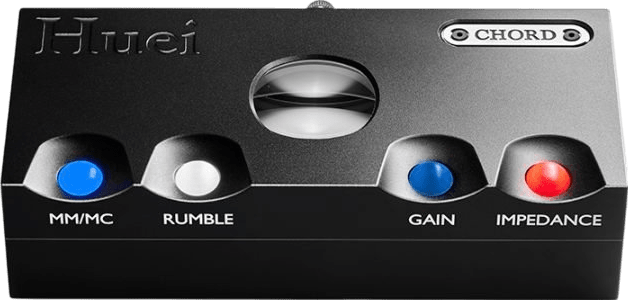
- Buttons turn a different color to indicate the setting chosen, some sort of proper display would be more intuitive to use
- Polychromatic color-coded controls require a look-up table to determine precisely what a color denotes in terms of loading
- Noise floor higher than average
Comparisons (according to reviewers)
- Vs Vertere Acoustics Phono-1 MkII and Cyrus Phono Signature, the Chord isn't as dynamically expressive as these fine performers, nor does it sound as open or exciting
- Vs Croft Micro 25R pre-amp, the Huei improved dramatically when put in front of better amplification, and the Chord Huei was preferred with the Cayin; with the Schiit Asgard 3, the phono stage in the Croft was preferred
- Vs Chord Qutest DAC, the Chord Qutest DAC sounds smoother, warmer, more organic, than the Chord Huei phono stage; likewise, the Huei sounds cleaner, more forward, and slightly hard on top
- The innards of Huei are based on the company's high-end Symphonic phono stage, and show much of the same thinking in electronic design terms
Takeaway: The HUEI is well built, compact, and delivers enough insight and composure to be taken seriously in a vinyl setup. Its adjustability makes it future-proof, and its design may be the last phono stage one might ever need or want.
Video review
About the brand


What reviewers think
Product Strengths
- Ultra-low noise with remarkably quiet backgrounds and effortless transparency
- Delivers Al Harewood's delicate brush work with an outstanding balance of brush "edge" and "swish"
- Clear and distinct sound, with a soundstage that is tall, wide, and deep
- Natural and matter-of-fact nature, one that doesn't feel processed or constrained in any particular way
- The V10 is a highly musical phonostage that resolves fine details, honors tonal colors, and allows the dynamic life in music to breathe at levels that belie the unit's modest price
Product Considerations
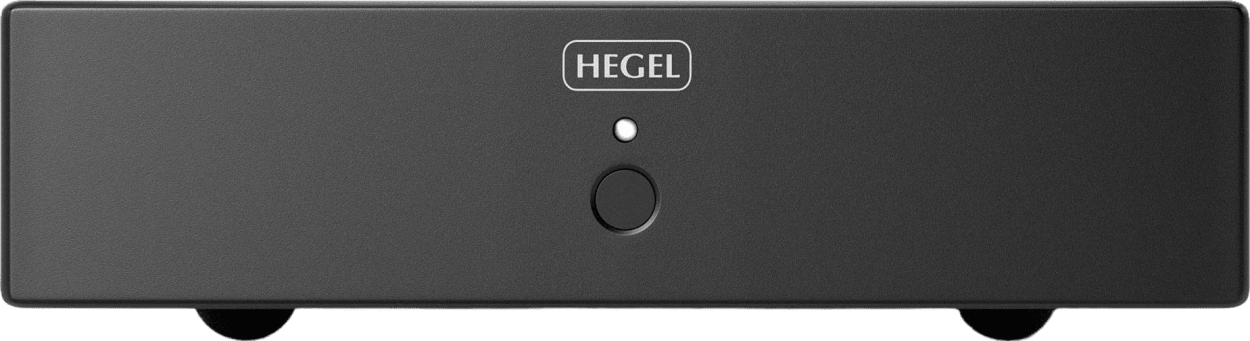
- Adjustments to capacitance, gain, and impedance are accomplished by means of a bank of DIP switches on the rear panel, which can be a bit confusing
- The instruction manual states it's possible to set impedance "freely between 50 and 550 ohms" and add 6 addition dB of gain, but to do so contact your Hegel dealer for more information
- Not as versatile as the PS Audio Stellar
- The V10 does not try to mask physical imperfections on the record
Comparisons (according to reviewers)
- Vs Simaudio MOON by Simaudio 610LP—the Hegel V10 performs so well in comparison to the much more expensive 610LP as to be encouraging
- Vs Aurorasound VIDA Prima—the Hegel V10 seemed to pull out more detail than the VIDA Prima
- Vs Aqvox Phono 2 Ci—V10 allows one to easily explore the musicians' context and intent better
- Vs Rega Aria 3—the V10 betters it by quite a way, showing how the Hegel has a more incisive and detailed nature
Takeaway: The Hegel V10 is a great sounding, well-made phono stage that produces the 3D, of both the music and the space behind it, while honoring the purity and simplicity of the recording. It has connectivity and configurability as well.
Video review
About the brand

What reviewers think
Product Strengths
- A very low noise floor, even with high gain settings for moving coil cartridges
- Various gain settings for moving magnet and moving coil cartridges, making it versatile
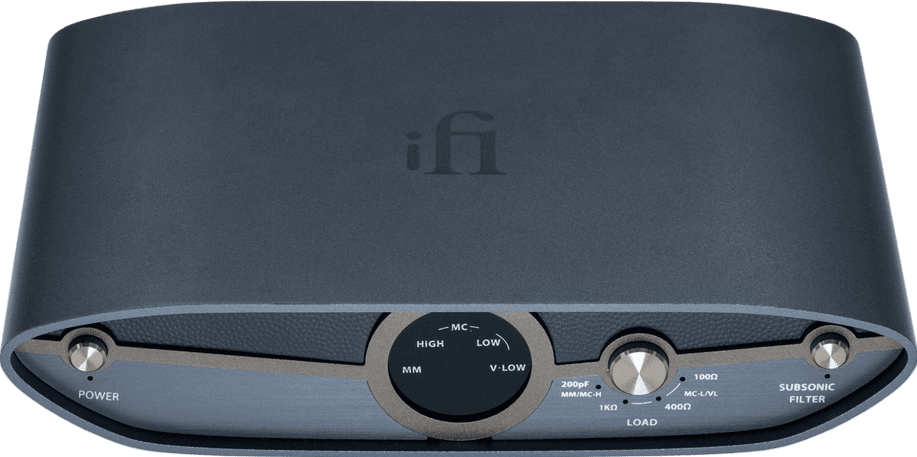
- An 'intelligent' subsonic filter effectively reduces rumble without negatively impacting bass frequencies
- A balanced 4.4mm output, which is uncommon in phono stages at this price point
- Impressive sound quality for its price, including a wide soundstage and good dynamics
Product Considerations
- Large diameter RCA plugs may not fit due to the small chassis
- The number of load settings is stated inconsistently across sources, with some stating four and others stating three
- Connecting RCA and balance output together simultaneously to two different amplifiers can result in noticeable humming noise
- One reviewer mentioned a 'clinical' sound that might pair better with warmer cartridges, though this was addressed by changing the setup
Comparisons (according to reviewers)
- The ZEN Phono 3 has a wider soundstage and better dynamics than the iFi Zenfone Stage
- The ZEN Phono 3 has deeper bass than the Accuphase AD-60, but slightly less clarity and definition in the bass region
- The ZEN Phono 3 delivers a larger, beefier—and more rhythmic sound than the built-in phono stage in the U-Turn Orbit Special
- The ZEN Phono 3 produces significantly less noise than the Musical Fidelity M5SI phono stage
Takeaway: The ZEN Phono 3 is a valuable phono stage that provides a clean and dynamic sound, along with features typically found in more expensive units. It is especially useful for those looking to upgrade from a basic phono stage or for vinyl enthusiasts who want to explore different cartridge types.
Video review
About the brand


What reviewers think
Product Strengths
- Boasts a host of features, including various equalisation curves, nine load impedances, and facilities for MM and MC carts
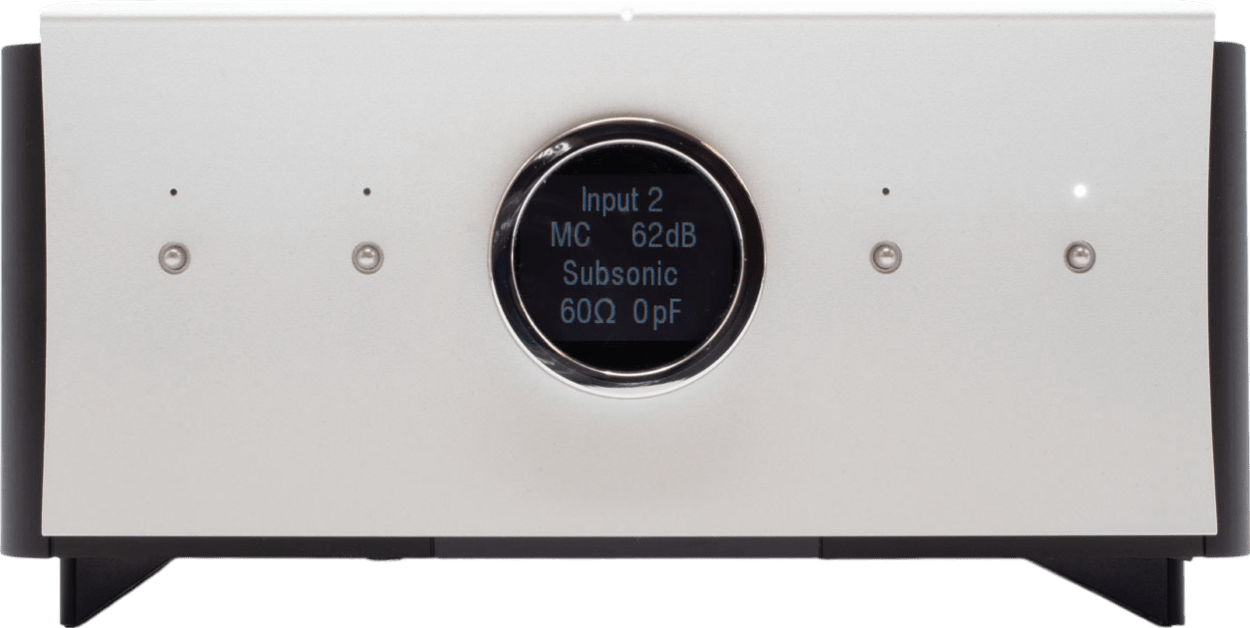
- User friendly with a clearly laid out colour display and a single knob control (SKC) that allows easy managing of the unit's function, without any annoying sub menu diving
- The unit is made of a solid machined aluminum with a shell body that minimizes frequency resonance and feedback vibrations
- Has two separate and independently set inputs, allowing a real full control of two arms/cartridges that can be either MM or MC
- Delivers detail, speed, and transparency, with an excellent noise floor and frequency range that far belies its modest price
Product Considerations
- The front design with the gold icon on top left and button bottom right is perhaps the only afterthought in this unit
- Not quite such a front-to-back soundstage as one would hope, but well within expectations for any phono-stage south of £5000
- Lacks depth, sounding flat and two-dimensional, possibly requiring break-in time to improve
Comparisons (according to reviewers)
- Compared to the Cambridge Audio Azur 651P, the Gold Note PH-10 offers immediately apparent and striking improvements, with everything turned up—details, clarity, instrument separation
Takeaway: The Gold Note PH-10 is a versatile and user-friendly phono stage with exceptional sound quality and many customizable features. This phono stage is an amazing product that provides serious vinyl speed, depth, detail and transparency, making it an excellent choice for any vinyl enthusiast.
Video review
About the brand


What reviewers think
Product Strengths
- Excellent clarity and transparency, allowing the music to flow without adding coloration
- Incredibly low noise floor, enhancing image dimensionality and instrumental textures
- Solid and precise bass response
- Variable MC load adjustment independent for each channel using Vishay potentiometers
- Built-in AC line conditioner to minimize noise
Product Considerations
- Solid-state design may not appeal to those seeking a warmer, tube-like sound
- Midrange can be perceived as aggressive by some listeners
- May lack the ultimate dynamic authority and bass weight compared to more expensive options
Comparisons (according to reviewers)
- The JC3+ pulled more detail, delicacy, and weight, while projecting a larger and airier soundstage than the Hegel V10
- The Manley Chinook gave a bit more sparkle, a bit more light, a bit more magic in the air sensation
- The JC 3+ sounds quieter compared to Pro-Ject Phono-Box RS, with notes, instruments and voices emerging from blacker, inkier backgrounds
- The new R-core power transformer provides greater reserves for low-end impact, compared to the older JC3 Model
Takeaway: The Parasound JC3+ is a high-performing phono preamplifier with a transparent and detailed sound, making it a great choice for vinyl enthusiasts seeking accurate reproduction and clarity. Its versatility and low noise floor ensure an immersive listening experience.
Video review
About the brand

What reviewers think
Product Strengths
- Incredibly saturated sound packed with information, resulting in a deep and detailed presentation
- Separate gain paths for MM and MC cartridges, optimizing performance for each
- Extremely silent and powerful signal transmission capabilities
- Offers a wide range of settings to optimize performance for any cartridge, including extensive gain and loading options, and dozens of equalization curves
- Parameters can be adjusted on the fly using a custom Mola Mola app
- Design allows it to get out of the way of the music, allowing the music to swell and breathe majestically
Product Considerations
- The new review sample took some 300 hours to stabilize
- A slight faltering of absolute pitch definition and texture below about 40-45 Hz
- Some may find the sound too neutral and challenging—preferring a more lush sound
- With so many parameters to adjust, people may use the unit's abilities as a tone control and stray away from the intended EQ curve
- There are so many options, that it may be changed too far
Comparisons (according to reviewers)
- Versus GrandiNote Celio mk IV phono preamplifier, Lupe reminded the reviewer more of their Class A GrandiNote Celio mk IV phono preamplifier than the other of my references—ESE Lab Nibiru MC
- Versus ESE Lab Nibiru MC, each of those features could be pointed out as Lupe's advantages, although they were not as prominent as with Nibiru MC
Takeaway: The Mola Mola Lupe is a versatile and high-performing phono stage that delivers a sophisticated and musical sound. Its extensive features and convenient app control make it a great choice for vinyl enthusiasts who want to optimize their listening experience.
Video review
About the brand

What reviewers think
Product Strengths
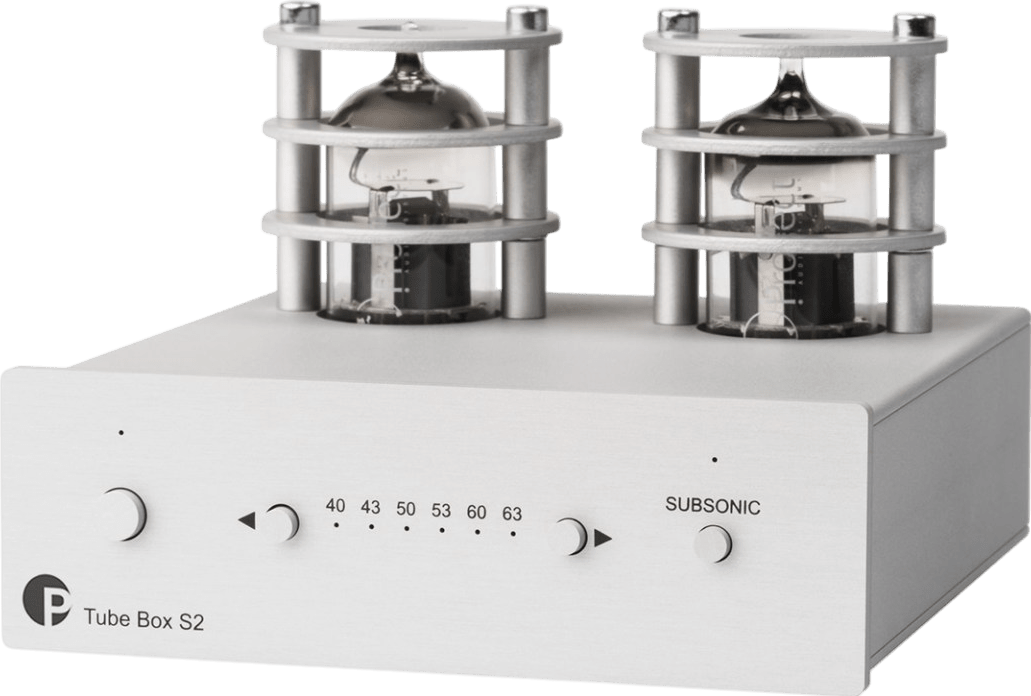
- Delivers a warm, engaging, and detailed sound signature
- Compatible with both MM and MC cartridges, making it versatile for different turntables
- Features adjustable impedance and capacitance settings for optimal cartridge matching
- Fully discrete circuit design avoids the use of OpAmps
- Offers tube rolling capabilities to customize the sound
Product Considerations
- Adjusting impedance and capacitance settings involves using dip switches on the bottom, which can be inconvenient
- Limited to ECC83 tubes and their direct equivalents for tube rolling
- The chassis rings and may benefit from damping sheets to reduce vibrations
- Soundstage doesn't expand as much vertically and horizontally, compared to other preamps
Comparisons (according to reviewers)
- Vs. Denon AVR-2802's built-in phono preamp, the Tube Box S2 offers better bass, more defined detail, a wider soundstage, and cleaner timbral presence
- Vs. Rega Fono Mini A2D, the Tube Box S2 adds more warmth and character
- Vs. Cambridge Audio Alva Duo, it is more fun and engaging
- Vs. Rega Phono Mk5, the Pro-Ject is warmer with richer bass and smooth sonics, while the Rega is more detailed and transparent
Takeaway: The Pro-Ject Tube Box S2 is a versatile tube phono preamp that brings warmth and detail to vinyl playback, making it a great option for enhancing the listening experience. With adjustable settings and tube rolling, one can fine-tune the sound to match their system and preferences.
Video review
About the brand


What reviewers think
Product Strengths
- Neutral presentation offers balanced sound across the audio spectrum
- Excellent build quality, with a sleek and compact design
- Versatile, offering a wide range of impedance, capacitance, and gain settings for compatibility with various cartridges
- Low noise floor enhances detail retrieval and soundstage depth
- Good price-to-performance ratio, sounding more expensive than its price point
Product Considerations
- Dip switches, while offering a minimal interface, can be finicky and confusing to configure, especially in recessed areas where they are hard to see
- Lacks an on/off switch, intended to be left on at all times
- Performance with moving coil cartridges may be less impressive compared to moving magnet cartridges
Comparisons (according to reviewers)
- Compared to Rega Fono MC, it is at least as good, with a wide-open audio space
- Compared to Rega Fono MM, it is a better performer, with improved resolution
- Compared to Cambridge Audio Duo, it demonstrates more high end extension
- Compared to Pro-Ject Tube Box DS2, it may sound more restricted at first but experimentation with impedance settings will liven up the top end
- Compared to Graham Slee Communicator, it counters with greater refinement and sweeter tonality
Takeaway: The Moon 110LP v2 is a well-built and versatile phono preamplifier that delivers a neutral and balanced sound, making it a great choice for vinyl enthusiasts looking to improve their listening experience. Its compact size and flexible settings make it easy to integrate into any system.
Video review
About the brand
What reviewers think
Product Strengths
- Clean, well-balanced, and neutral sound offers an uncolored listening experience
- Impressively quiet operation minimizes noise, hiss, and static for distraction-free listening
- Offers a focus and sense of accuracy with pace in the bass that keeps the music moving
- Versatile, working well with various cartridges including moving coil and moving magnet types and providing flexibility with settings
- High-quality parts inside, such as REL capacitors and Vishay-Dale resistors
Product Considerations
- Internal design has reduced isolation and separation of internal components
- The aesthetic design of the chassis might be too large relative to the internal components
- In single-ended mode, there may be a sacrifice of a certain amount of space in the mid-range and a sense of finesse in general terms around the soundstage
Comparisons (according to reviewers)
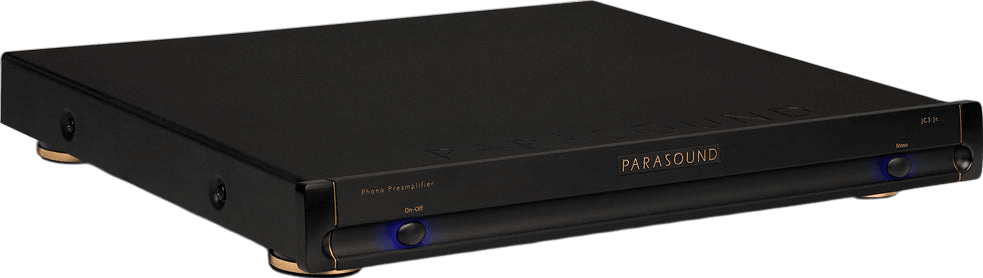
- The JC3 Jr. is a cut-down version of the JC3+ with a much lower price, achieved by reducing internal isolation and separation, combining internal boards—and removing the dual mono feature
- Audio Note is more realistic overall, with a larger, more palpable presence, better tonal development, and greater fluidity, even though the JC3 Jr acquitted itself quite well
Takeaway: The JC3 Jr. is a versatile phono preamplifier that offers a neutral, balanced, and quiet performance, making it an excellent foundation for any vinyl system. It's particularly impressive in balanced mode, which enhances smoothness and widens the soundstage.
Video review
About the brand

What reviewers think
Product Strengths
- Comprehensive spec sheet
- Versatile phono stage with balanced outputs offers greater levels of gain
- Depth, detail, and an analogue character
- Flexible and capable
- Extracts the very best from any cartridge
- The casework feels solid and beautifully finished
Product Considerations
- Adjusting capacitance and loading via hidden dip switches under two small covers for left and right channels is a little trickier than the previous model's dial adjusters
- DIP switches are fiddly to use
- Busiest and brightest recordings can appear just a little sanitised
Comparisons (according to reviewers)
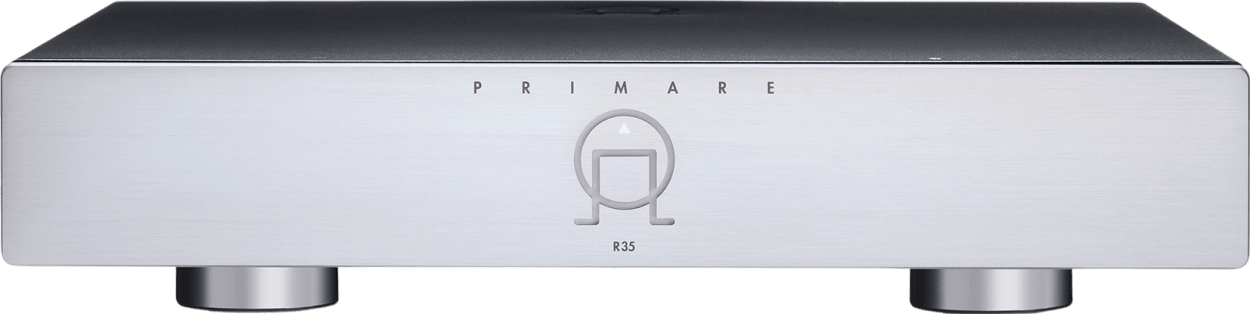
- The R35 offers a thorough update of its feature set, making it—on paper at least—one of the most versatile phono stages on the market today
- The R35 ups the ante by some margin, despite looking deceptively identical to the retired R32 front on
- Compared to the Hegel V10, the R35 is more playful dynamically with fatter bass, there is more depth in the soundscape, and a slightly larger range of timbres
Takeaway: The R35 is a versatile phono stage that can extract the best from any cartridge and has a comprehensive spec sheet. It offers depth, detail, and an analogue character that underlines vinyl's enduring appeal.
Video review
About the brand

What reviewers think
Product Strengths
- Excels at recreating inner detail of recordings and extracting delicacy and subtle nuances of instruments
- Reproduces perfectly placed holographic images with body and life on a wide, deep soundstage
- It is a reference-quality phono preamplifier that would feel at home in a system of any price
- Combines excellent engineering comprehension and plenty of creativity with the good judgment needed to design high value and highly reliable products
- Sound is neutral, very quiet, very dynamic, and very dimensional
Product Considerations
- Tonal balance can exhibit classic 'tubey' colorations, including laid-back extreme high frequencies and an overly round midbass
- Midbass thickness might be bothersome depending on the recording
- The reviewer had to bypass the volume control on the black version of the EAR Yoshino with volume control
Comparisons (according to reviewers)
- The EAR Yoshino produces more holographic body of images and room sound, but the Vendetta Research SP-2C has superior clarity and less coloration
- The EAR Yoshino is smoother and has less grain, compared to the phono stage of conrad-johnson PV10a preamp
- EAR Yoshino pulls almost as much space and rolling bass slam out of a disc as does the Vacuum State Research reference preamp
- The EAR Yoshino in the midrange of the receiver is competitive with the phono section of the NAGRA PL-P
Takeaway: The EAR Yoshino is a well-designed tube component that delivers high value for the dollar based on its performance and is easy to use. It provides enjoyment and connection to the music, making it worth the investment.
Video review
About the brand


What reviewers think
Product Strengths
- Impressive sound quality and musicality, delivering engaging musical performances
- Versatile adjustability, optimizing performance for various phonograph cartridge designs (moving-coil, moving-magnet, and moving-iron)
- Impressive build quality
- Low noise, designed with shielded, low-noise filter modules to minimize noise
- Can accommodate Moving Magnet (MM), Moving Coil (MC), and Moving Iron (MI) cartridges
Product Considerations
- Gain and load settings are located on the back of the unit
- Adjustments are made using DIP switches on the back of the unit, requiring tools and a flashlight
- Minimalist design with no display screen
- No remote control
Comparisons (according to reviewers)
- The XP-17 is an updated design with improvements from the XP-25 and XS Phono
Takeaway: The Pass Labs XP-17 is a versatile phono preamplifier that delivers impressive sound quality and adjustability for a variety of cartridges. It could be a great addition to any vinyl setup because it has the ability to get the best sound out of any record collection.
Video review
About the brand

What reviewers think
Product Strengths
- Offers a full feature set including balanced XLR inputs and outputs, typically found in more expensive units
- Provides remote control functionality for adjusting gain, loading, and filters from the listening position
- Delivers detailed, clean, and modern sound reproduction, with good transient clarity and precision, and quiet backgrounds
- Offers versatile settings for both Moving Magnet (MM) and Moving Coil (MC) cartridges
- Improves system sound, adding clarity and a warmer feel compared to budget options
Product Considerations
- Some users experienced a static or buzzing noise in the left channel, with inconsistent severity
- The initial balanced input tests revealed D.C. issues, causing speaker drivers to alarmingly suck in and out
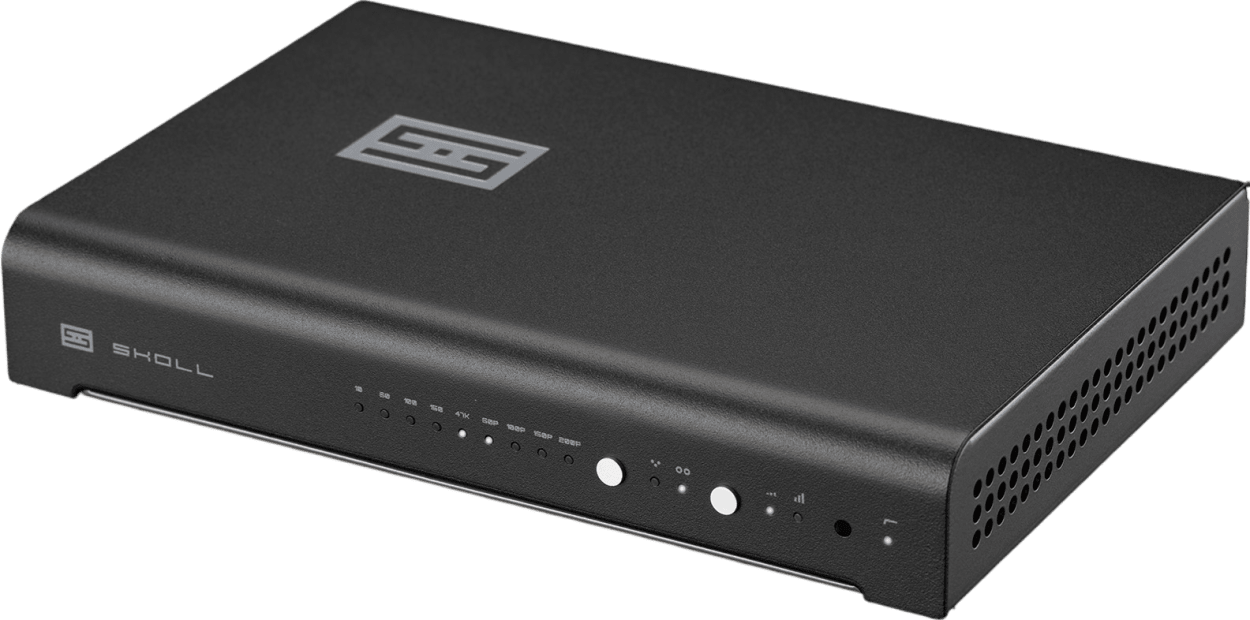
- The unit's physical aesthetics are not particularly eye-popping or luxurious
- The tiny silkscreened letters and icons associated with the front panel LEDs might be difficult to read
- May not be ideal for systems already on the lean side, as it might not add warmth
Comparisons (according to reviewers)
- Vs Schiit Manny, the Skoll is much quieter
- Vs Michael Yee PFE1, the Skoll has less hum and more hiss
- Vs Fosi Audio Box X4, the Skoll has better clarity
Takeaway: The Schiit Skoll is a versatile and feature-rich phono preamp that delivers impressive sound quality and customization options. It can be a great upgrade to get more enjoyment out of vinyl records.
Video review
About the brand


What reviewers think
Product Strengths
- Healthy dose of sonic balance aided by an exceptionally quiet noise floor
- Dynamics and detail are always present and accounted for, and the sound never loses that "easy-does-it" signature analogue charm
- Mature demeanor and an almost creamy overall presentation, looking more to charm the listener than attract with dash and pizzazz
- Mono switch offers a nice step up in sound quality for mono records, offering a more focused image along with a richer fuller sound
- Offers a wide array of gain (between 40dB and 66 dB) and loading adjustments (75 ohms–47Kohms) that will accommodate virtually any moving magnet or moving coil cartridge
Product Considerations
- Picks up hum if not properly placed
- Subsonic filter's effectiveness is not always noticeable
- Some may prefer an airier, more obviously dramatic presentation
- Lacks capacitance adjustments for MM cartridges
- At max gain, there can be some hiss (noise) audible through speakers
Comparisons (according to reviewers)
- Vs Schiit Mani 2: The MoFi offers a more detailed presentation, drawing more attention to nuance and timing, whereas the Schiit's fatter and looser sound centered ears on rhythm and drive
- Vs Vincent PHO: The MoFi has more of a musical flow and grip and brings out details without doing so in a harsh way
- Vs Lehmannaudio Black Cube SE V2: The StudioPhono brought some body to the music for less money than the Lehmannaudio
- Vs Alpha Design Labs GT40: MoFi StudioPhono delivers a full sound in comparison with Alpha Design Labs GT40, that sounds almost artificially etched and spotlit in comparison
Takeaway: The StudioPhono offers a balanced and detailed sound that can charm vinyl fans. It's easy to set up and use, making it a great choice for anyone looking to improve their vinyl listening experience.
Video review
About the brand
What reviewers think
Product Strengths
- True balanced connections reduce noise and increase detail, dynamics, and musicality
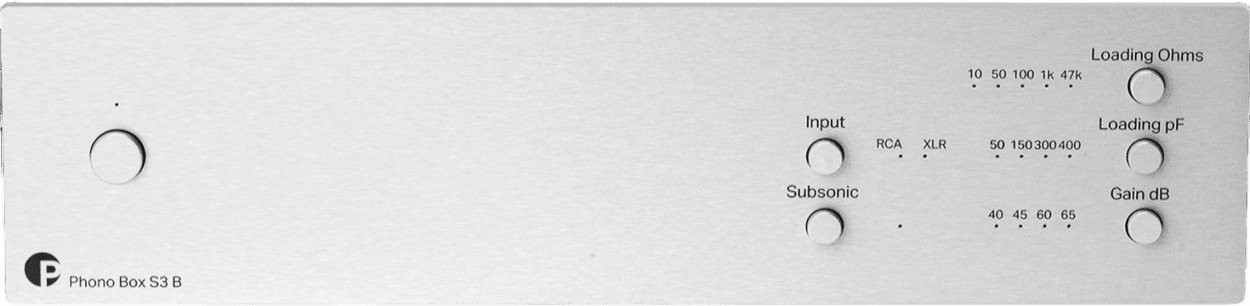
- Settings are easily adjustable on the front panel, including impedance, capacitance, and gain
- Well-made metal chassis is compatible with both MM and MC cartridges
- Discrete circuits are used in its gain stages, which Pro-Ject believes delivers the best sound
- Offers both single-ended (RCA) and balanced (XLR) inputs and outputs
Product Considerations
- Balanced cables are required for optimal performance if using balanced connections
- Relay switching causes a time lag when switching impedance, capacitance, or gain
Comparisons (according to reviewers)
- The Lehmannaudio Black Cube had more power in the low end, while the Pro-Ject tended toward a drier character
Takeaway: The Phono Box S3 B is a well-designed phono stage offering balanced connections, making it a great choice for those wanting to upgrade their vinyl listening experience. The adjustable settings and solid build quality make it a versatile and worthwhile addition to any system.
Video review
About the brand


What reviewers think
Product Strengths
- Cohesive, lively, and musical performance
- Expressive dynamics and good insight
- Strong rhythmic drive
- Quality of build and finish is perfectly fine for the money
- Adds some warmth to the sound, along with vitality—with the right cartridge
Product Considerations
- Only cosmetic changes over the previous generation
- Only compatible with moving magnet cartridges
- Treble could be a bit sweeter
- The review mentioned a feel of a cheap Chinese amp, and the power button feeling cheap
- Matching well with the right cartridge is critical to get the best sound
Takeaway: The Rega Fono MM Mk5 offers a strong and engaging performance for the price, making music sound lively and fun. It's a great choice if one wants to enhance their vinyl listening experience with a moving magnet cartridge.
Video review
About the brand