Welcome
In a system with separate power amplifiers, the preamplifier selects the source, sets the volume and drives the cable to the power amp. A good one is transparent; a tube one adds a little of its own character, which is the point of buying it. The list runs from a $900 Schiit to the units at the top of the reference systems. Phono stages have their own list.


Products on this list




What reviewers think
Product Strengths
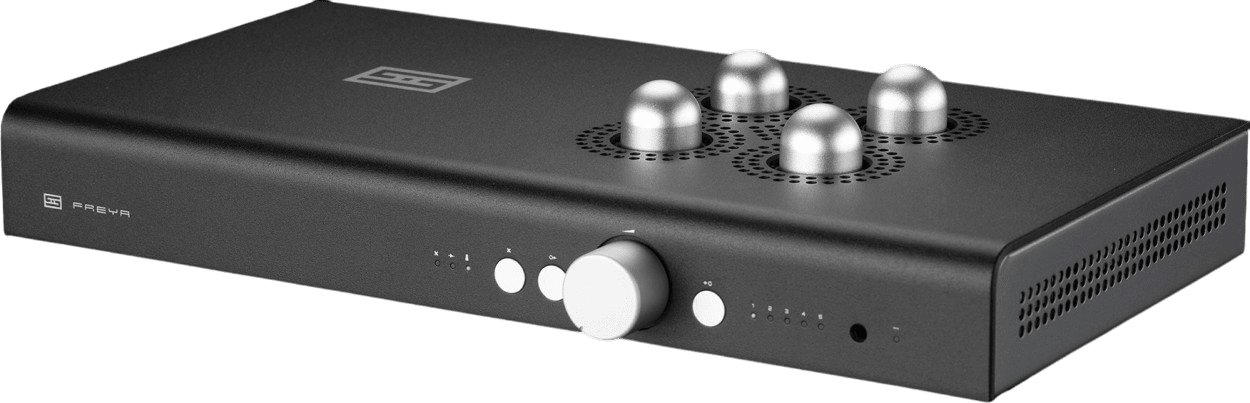
- The Freya+ offers a balanced design with XLR inputs and outputs, a 128-stepped attenuator, and dual single-ended outputs
- Multiple reviews mention its versatility due to its three distinct circuit configurations—passive, solid state, and tube—effectively functioning as three preamplifiers in one
- The Freya+ excels at accurately reproducing the natural timbre of instruments, offering a transparent, clear, and ultra-resolved sound across the entire musical range
- Reviewers highlight the improved features over previous models, including a better remote control, upgraded chassis, and a redesigned tube stage that lowers the noise floor
- Connectivity options with XLR inputs and outputs, a 128-stepped attenuator, and dual single-ended outputs
Product Considerations
- Several reviewers mention the tiny and cryptic labels on the front panel controls and remote, making them difficult to see and requiring memorization or constant reference to the manual
- Some find the remote control's volume adjustments to be too sensitive, making minimal incremental changes difficult
- The placement of the power switch on the back of the unit is inconvenient
- The unit gets hot in active tube mode
Comparisons (according to reviewers)
- Compared to the Schiit Saga+, the Freya+ includes a FET buffered passive output or active tube amplification, and more inputs/outputs
- Compared to the Rotel RC-1572 MKII, the Freya+ has a clear edge due to bigger, more three-dimensional sound, and more dynamically engaging sound with Freya's tube mode engaged
Takeaway: The Schiit Freya+ is a versatile preamplifier with multiple modes and flexible connectivity, offering great sound quality. It provides an accessible way to explore tube amplification with added convenience.
Video review
About the brand


What reviewers think
Product Strengths
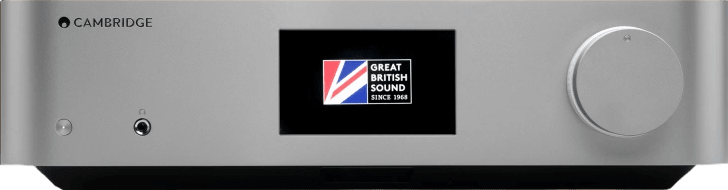
- Exemplary build quality, with a visually pleasing design
- The StreamMagic app is well-made and capable, offering a good user experience
- Delivers music in an extremely lifelike manner, limited more by the source than its own limitations
- Offers a strong musical sense of rhythm across all inputs, contributing to a well-rounded performance
- Presents a clear, bold, and spacious presentation
Product Considerations
- The volume dial may be slightly loose
- Lacks a phono analog input
- The acceptance angle of the remote sensor is limited
- The USB has trouble with large music collections
- The high frequencies can be bright with the system
Comparisons (according to reviewers)
- Vs Musical Fidelity M8Xi: The M8Xi has more power output and exhibits more control over loudspeakers, but lacks the built-in streaming of the Edge NQ
- Vs Naim electronics: The Edge system is neutral, and not as warm as the Naim electronics
- Vs Gold Note DS-10: Provides a bigger soundstage and more detail
- Vs PS Audio DSD Jr: The Cambridge Audio Edge NQ and the PS Audio DSD Jr are sonically comparable, but the NQ delivers more precise lateral focus
Takeaway: The Cambridge Audio Edge NQ is a versatile, well-designed preamplifier and network streamer that delivers high-quality sound. It provides an enjoyable listening experience, making it a great choice for those seeking both performance and elegant aesthetics.
Video review
About the brand

What reviewers think
Product Strengths
- Superb transparency, detail, and a slight expansion of the soundstage in both width and height, as well as more depth
- A deep black background for the music to emerge from, it is a very quiet and noise-free pre-amp
- A refined and sweeter sound, with more details emerging due to the absolute lack of noise
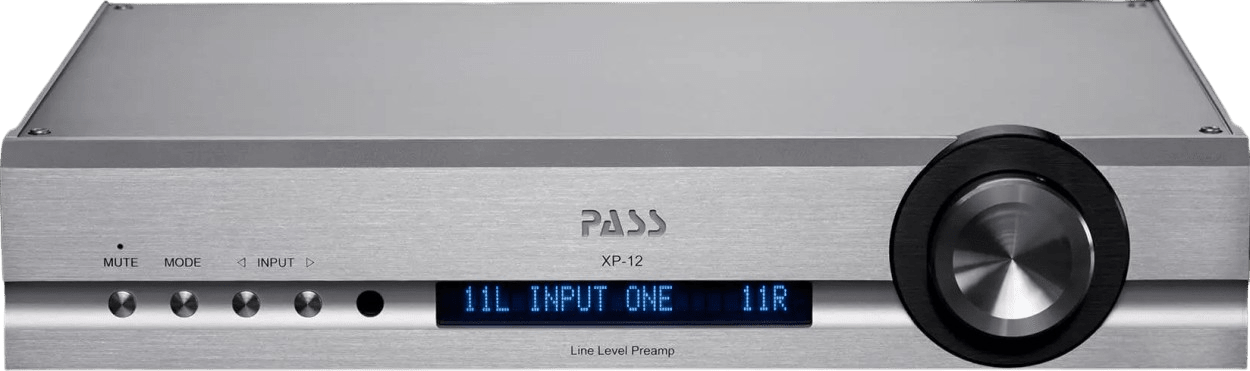
- Beautifully made and warrants its asking price in that department, and is easy to use and ergonomically built
- Adds a level of refinement that is normally heard in preamps that cost a bit more
Product Considerations
- There are no DAC, streamer, or gimmicks, if these are needed, look elsewhere
- Bass can be bombastic as well, but only when that info is in the music itself, and might be toned down for some listeners
- Those with a desire for a more beefier direct sound vs the more spacious and airy sound might prefer other options
- Home Theater Pass-Thru (Unity), is accessed only from the remote control
- Some listeners may prefer a cooler, more clinical presentation vs the warmer sound it has
Comparisons (according to reviewers)
- Vs XP-10: XP-12 provides more transparency and detail, expands the soundstage, and delivers a more balanced and realistic bass, the XP-10 has a bit more warmth and body
- Vs Nagra Classic Preamp: The Nagra is more sparkly, has a bigger sound and is more dynamic, the Pass was liquid, and brought forth the music in a natural way
- Vs PrimaLuna Prologue 3: XP-12 delivers detail that the Prologue glosses over, the heightened clarity of the XP-12 is not strident or sibilant
- Vs Kinki Studio EX-P7: Pass XP-12 is darker, more earthly, scores higher on information and paints a bit more distant and smaller sound sources, whereas the EX-P7 is more lit up, nervous and bigger on counts such as downstairs presence and instrumental sizing
Takeaway: The XP-12 is a well-built, gorgeous-sounding pre-amp that offers a true high-end sound, excelling at transparency and air. It is easy to recommend if seeking to inject some magic and beauty into one's room.
Video review
About the brand

What reviewers think
Product Strengths
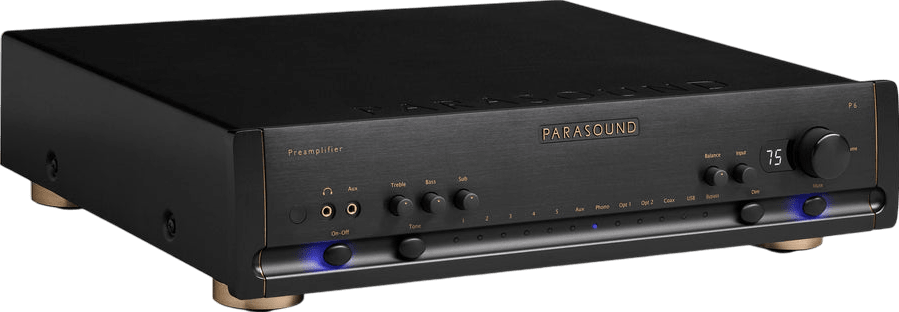
- Flexible connectivity with myriad inputs and outputs intelligently arranged on the rear panel
- Great sound, a bit better than the decades-old predecessor on the analog side
Product Considerations
- Superfluous treble/bass controls for audio purists, though easy to disable
- The manual has a small bug, turn-on volume "Vol-Set" doesn't work if following the instructions literally
Comparisons (according to reviewers)
- Vs Linn Kairn: The sound is a bit better on the analog side
Takeaway: The Parasound Halo P 6 is a flexible and great-sounding preamp with many useful features and easy setup. It offers extreme value and has a well-reviewed remote.
Video review
About the brand

What reviewers think
Product Strengths
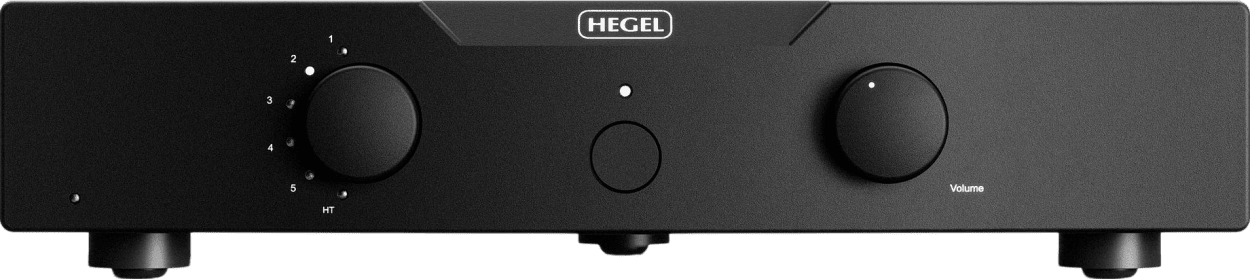
- Allows the music to play as intended, with transparency being a key attribute
- Offers excellent control, grip, and dynamic headroom
- Fully balanced design from input to output, maximizing performance with balanced sources
- Provides a very quiet background, improving separation and detail
- Very low noise floor, revealing a lot of detail without sounding analytical
Product Considerations
- The volume control lacks a digital readout
- Minimalist design with a basic remote that some may find lacking
- There are only two XLR inputs
- The simple lines may not appeal to those seeking a visually flashy product
Comparisons (according to reviewers)
- Compared to the Hegel H390, the P30A/H30A surpasses it, making the H390 sound inferior
- Compared to the Luxman M900U, the Hegel H30A exhibits greater soundstage depth
- Compared to the Constellation Revelation Series, the P30A/H30A revealed plenty of sonic information but didn't sound stilted or forced, though Constellation had "peer into the recording" transparency that the Hegel combo probably can't match
- Compared to older Hegel models, the newer models sound more extended and focused in the upper frequencies and are slightly warmer than neutral compared to the older versions' more apparent tilt toward warmth
Takeaway: The Hegel P30A is an excellent preamplifier that prioritizes transparency and control, letting the music shine through with exceptional detail and soundstage depth, and minimal coloration of its own. It ensures a clean, powerful, and natural presentation.
Video review
About the brand
What reviewers think
Product Strengths
- High build quality, made in California by skilled electronics professionals
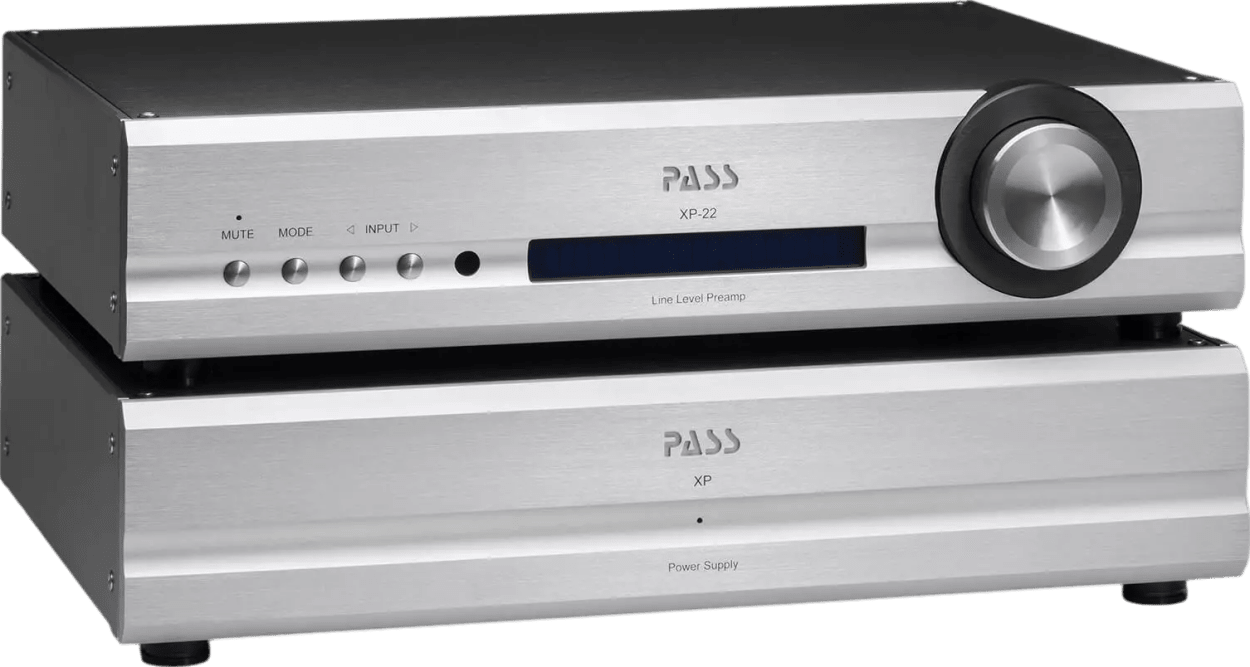
- The double-chassis design with a dedicated power supply contributes to very low noise levels
- Transparency and detail allow the listener to get closer to the music without adding its own sonic signature
- Simple to use and has useful features like a home-theater bypass
- Improved dynamics and clarity are reported compared to previous models
Product Considerations
- The remote is described as a 'typical audiophile aluminum brick' and may not be as feature-rich as some users prefer
- It is a minimalist design, lacking modern features like a built-in DAC, phono stage, or streaming capabilities
- Users are cautioned against using non-approved fuses
- It is available only in 'instrument gray'
Comparisons (according to reviewers)
- The XP-22 is simpler than the Anthem STR, while the STR has an internal DAC, room correction, and a phono section
- The Classé Delta PRE is more polished and a 'Swiss Army Knife' with more features, while the XP-22 resolves finer musical detail
- The Audio Research LS28SE is a tube preamp with a slight warmth, while the XP-22 is solid-state
- The XP-22 has a dedicated external power supply and a superior volume control compared to the Pass Labs XP-12
Takeaway: The Pass Laboratories XP-22 is a high-performance, well-built preamplifier that focuses on delivering a transparent and detailed sound. It's a great choice for audiophiles who prioritize sonic purity and simplicity in their systems.
Video review
About the brand

What reviewers think
Product Strengths
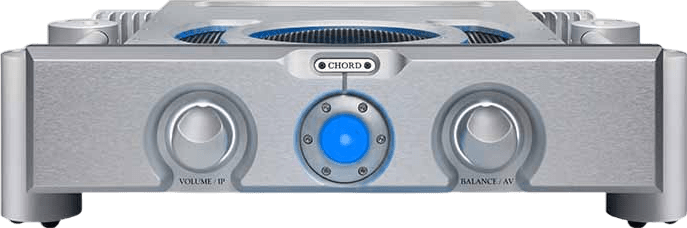
- Exemplary build quality with a solid aluminum chassis and striking design, making it visually distinctive
- Offers a very neutral sound signature that allows the connected components and music to shine through without adding its own coloration
- Delivers excellent timing, detail retrieval, and dynamics, contributing to a lively and engaging listening experience
- Provides a smooth and open sound while retaining detail and dynamics
- Offers input flexibility with balanced XLR and unbalanced RCA inputs, as well as a USB charging port for devices like DACs or smartphones
Product Considerations
- Has a lower output level compared to some other preamplifiers, requiring higher volume settings to achieve the same listening levels
- The source selection method via the volume knob can be a little over-engineered and less user-friendly than dedicated buttons or a rotary dial
- The balance control lacks a tactile center notch, which some users might find inconvenient
- The AV bypass mode can be easily engaged, potentially causing damage to speakers if the connected AV amp has a high volume setting
- A phono stage and headphone output are lacking
Comparisons (according to reviewers)
- Vs Naim NAC 82: Ultima Pre 3 offers additional warmth and a marginally smoother presentation, but is less incisive
- Vs The Bespoke Audio Company Passive Preamplifier: The Ultima Pre 3 extracts more clarity from the power amplifier and pushes dynamics more exceptionally—but with a small loss of treble resolution
- Vs NAD M23: The Ultima Pre 3 (paired with the Ultima 6) brings out the scale, dynamics, and energy of the music to a higher degree
Takeaway: The Chord Electronics Ultima Pre 3 is a well-built and visually striking preamplifier that allows the music to shine through. It's a great fit for a hifi system if a neutral sound, a lively and dynamic sound, and flexibility for different listening experiences are desired.
Video review
About the brand


What reviewers think
Product Strengths
- Clear and transparent sound quality allows the user to easily hear the source quality, and the PRE35 Prisma balances truthfulness to the sound with a pleasing warmth
- A well-designed and well-thought-out preamplifier that justifies its asking price, the build quality is high and built to last
- Impressive build quality—with a thick, solid front faceplate and high-quality buttons and knobs—the internal layout is neat and symmetrical, with an impressively large transformer
- Many connectivity options and modularity allows for upgrades, or being bought in a basic form
- Offers multi-room or zone control and connection modes—the integrated wireless streaming function makes Bluetooth, AirPlay, Spotify etc available
Product Considerations
- The OLED screen is small
- The sound might be too neutral for some listeners
- The built-in Prisma app user experience could be improved, with slow navigation and limited customization options
- When used with some speakers, the bass could be a little thick
Comparisons (according to reviewers)
- The PRE35 Prisma has a more fun and punchy sound, especially in the bass, whereas the NAD is smoother and more sophisticated
- The PRE35 Prisma gets you close to the best bits of Galion while having the benefits of Class D amplification
- The Eversolo has a better overall app user experience than the PRE35 Prisma
- The DM36 DAC in PRE35 Prisma sounded better than the DAC in the Eversolo, but not as good as the Chord
- The PRE35 Prisma had deeper lows, the highest highs audible a little brighter, than Audio Research
Takeaway: The PRE35 Prisma is a well-designed preamplifier with clear sound that lets you hear all your music sources. Its modular design and many connection choices make it a flexible addition to any audio system.
Video review
About the brand


What reviewers think
Product Strengths
- Stunning build quality and beautiful aesthetics, with thoughtful design details evident throughout
- Uses high-quality components like toroidal power transformers, tube rectification (5AR4 tubes), and Nichicon capacitors, contributing to a quiet and high-performing preamp
- Offers a luscious, smooth, and well-layered midrange, enhancing vocal and instrumental textures
- Provides a sense of spaciousness and a three-dimensional soundstage, creating a more immersive listening experience
- Offers adjustable settings for both Moving Magnet (MM) and Moving Coil (MC) cartridges, including selectable input impedance for MC cartridges and input capacitance for MM cartridges
Product Considerations
- Relatively high output impedance (2800 ohms) requires careful matching with a power amplifier having an input impedance at least ten times higher
- Only has one set of inputs, which could be a drawback for users with multiple turntables or tonearms
- Lacks balanced XLR outputs and a mono switch, which some users might miss
- The MM stage may pair better with brighter sounding MM cartridges
- The unit generates heat due to the tubes
Comparisons (according to reviewers)
- Vs ModWright PH 9.0—the PrimaLuna EVO 100 Phonostage is the warmer, more organic sounding phono stage, excelling at presenting a comparatively more layered midband, remaining unflustered when complex passages occur, and remaining sweet in the top octaves
- The ModWright PH 9.0X presents dense rock and pop recordings in a stable, lively manner with tighter, punchier bass, and equally extended low frequencies
Takeaway: The PrimaLuna EVO 100 is a well-crafted tube preamplifier that brings a rich and engaging sound to vinyl playback, boasting top-notch parts and components. It enhances the sound of music and provides a warm tube experience.
Video review
About the brand


What reviewers think
Product Strengths
- Displays a combination of smoothness, neutrality, detail, transparency, and spaciousness
- Exceptional build quality with meticulously assembled, thick aluminum slabs
- Very quiet operation
- Excellent instrumental separation within the soundstage and precise imaging
- Can help to improve tonal balance of an imperfect source
Product Considerations
- The front panel is busy with many controls, potentially appearing crowded to some
Comparisons (according to reviewers)
- Vs Audio Research Reference 6SE: The Luxman 900U has better synergy with the Luxman 900U amplifier, giving a more organic and lively presentation
- Vs Simaudio Moon Evolution 740P and EMM Labs PRE2: It was slightly quieter than the Simaudio Moon Evolution 740P and EMM Labs PRE2, but the C-900u displayed the best combination of smoothness, neutrality, detail, transparency, and spaciousness
Takeaway: The Luxman C-900u is a top-tier preamplifier known for its exceptional sound quality and build. It offers a refined and engaging listening experience, making it a great centerpiece for a high-end audio system.
Video review
About the brand


What reviewers think
Product Strengths
- Exceptionally transparent, neutral, and revealing, adding minimal character to the sound
- Offers a wide range of settings and complete freedom in controlling the signal
- Features very good low-level detailing, especially in the refined, airy, and fluid treble
- Excellent build quality and sophisticated design, contributing to a beautiful aesthetic
- Provides a holographic blueprint of the soundstage with clear musical lines and pervasive control
Product Considerations
- The bass may be perceived as more light-footed and tonally less saturated compared to a direct DAC connection
- Can reveal flaws in recordings due to its high fidelity and transparency
- Complex menus might seem impenetrable initially, requiring guidance from a dealer
- Expensive component
- Described as 'lean in the bass and lower midrange'
Comparisons (according to reviewers)
- Compared to Spectral DMC-30SV preamp, the L1 excels in transparency and accuracy, resolving sonic clues more clearly, while the Spectral offers a richer, rounder, and smoother sound with a darker overall balance
- Compared to Trinity Preamp, the Trinity Preamp is notable for its refinement but is not as resolving or transparent as the L1
Takeaway: The CH Precision L1 is an incredibly transparent and flexible preamplifier that will reveal the true nature of recordings, allowing a listener to experience their music in a new light. With its sophisticated design and unmatched adjustability, it is a reference-level component that offers a transformative listening experience.
Video review
About the brand


What reviewers think
Product Strengths
- Ultra-low noise and distortion, exceeding the signal-to-noise ratio of the AHB2 power amplifier
- Exceptionally revealing, accurately reproduces recordings, and unforgiving to sub-par recordings
- Neutral sound signature that does not add emphasis, resulting in musical, involving sound, with precise, stable imaging, a sense of space, and truthful timbres
- High-quality volume control with 256 steps of adjustment and relay-managed
- Wide bandwidth design delivers precise amplitude and phase accuracy over the entire audio bandwidth
Product Considerations
- Industrial design is functional but unremarkable, not audio jewelry
- Remote is limited with non-illuminated buttons that are all the same size and arranged in a grid
- Strictly an analog linestage that competes on sound, not features, so there's no phono preamp, internal DAC, tone controls, or similar features
- The LA4's relay click accompanying each 0.5dB step change in volume might be intolerable to some
- May be too revealing/analytical for those looking for a more forgiving or 'musical' preamp that editorializes the sound
Comparisons (according to reviewers)
- Vs Hegel P20: LA4 has a more neutral sound, while the P20 has a sweetness in the midrange
- Vs DAC3 HGC alone: LA4 resulted in a sound less edgy and more refined than the DAC3's internal preamp, with a wider/deeper soundstage and more bass impact
- Vs Topping A90 Discrete: LA4 has a better user's manual, quality control, packaging, or long-term support
Takeaway: The LA4 offers state-of-the-art performance for audiophiles who want true high fidelity at a reasonable price. Its transparency, neutrality, and dynamic sound make it a standout choice for experiencing music in its purest form.
Video review
About the brand


What reviewers think
Product Strengths
- Allows the user to immediately hear differences when introducing new components into the system.
- Superb soundstaging with impressive width, depth, layering, and instrument placement, which requires very low noise.
- Does not have the treble or transient hotness that can be fatiguing, providing a transparent and enjoyable listening experience.
- Improved clarity and intelligibility with dynamic punch and low-frequency shape without any hardness or glare.
- Excellent switching capabilities for users with multiple sources, being an excellent switch/volume control/impedance matcher.
Product Considerations
- The upgrade cost from the REF 6 to the REF 6SE might be an important consideration, especially as the exterior design remains largely the same.
- Differences between the Ref 6 SE and DACs with quality digital volume controls are reported as microscopic.
- A review mentioned a different THD (total harmonic distortion) between the right and left channels in the 6SE chassis, but stated that both were still within ARC's specifications.
- The replacement of the beautifully made, solid-aluminum remote handset, with a plastic knockoff that feels unsuited to a preamp at this price point was noted.
Comparisons (according to reviewers)
- Compared to lower-priced preamps, the Ref 6 SE was more revealing.
Takeaway: The Audio Research REF 6 SE is a high-end preamplifier that excels in revealing the nuances of an audio system, offering a transparent and natural sound. Its ability to function as a high-quality switch for multiple sources makes it a worthwhile consideration for audiophiles with complex setups.
Video review
About the brand

What reviewers think
Product Strengths
- Excellent measurements and state-of-the-art signal-to-noise ratio imply high transparency
- Fully balanced design with both single-ended (RCA) and balanced (XLR) inputs and outputs
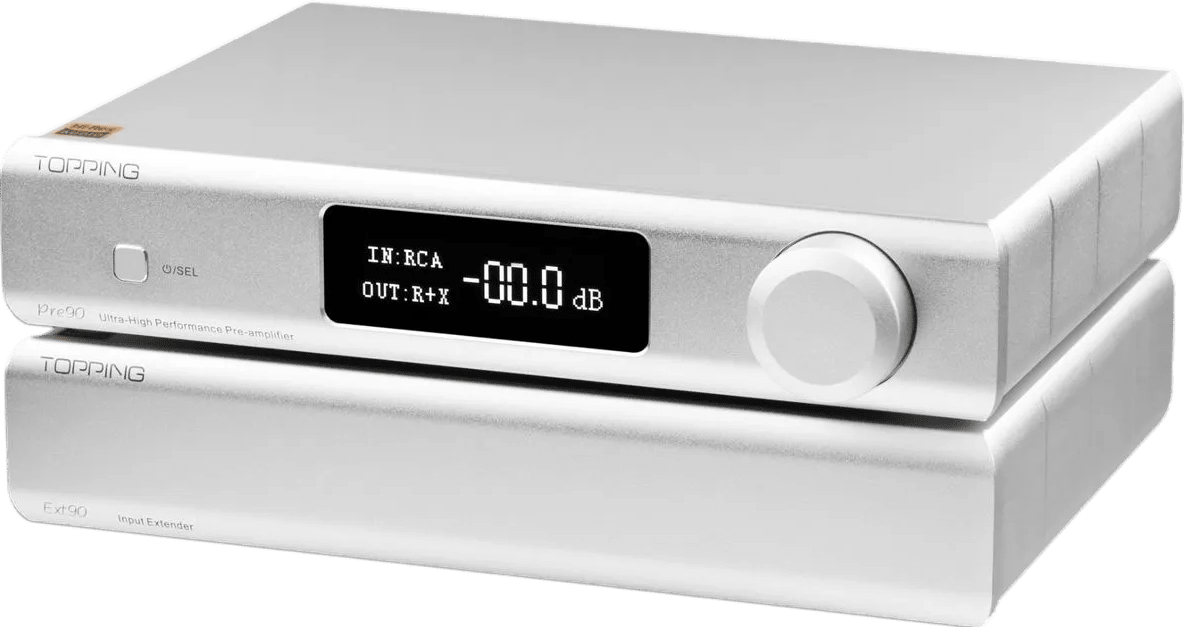
- Small form factor and sleek design with cases matching other Topping Series 90 components, allowing for easy integration into various spaces
- Precise volume control with 0.5dB steps via high-quality Japanese analog relays ensures perfect channel balance
- Can significantly improve sound quality when paired with DACs that have weaker output stages or higher output impedance
Product Considerations
- Remote control is unresponsive, requiring precise aiming and close proximity to the unit to function properly
- Limited number of inputs (one RCA and one XLR) unless the EXT90 input extender is purchased separately
- Some reviewers found the Pre90 to sharpen up the sound and bring things more forward, potentially leading to listening fatigue for some users
- The included umbilical cord for the EXT90 is short, limiting placement options to an over-under configuration
Comparisons (according to reviewers)
- Pre90 offers more focused and detailed imaging, tighter bass, and a lower noise floor, while Freya has tube airiness and extended decay
Takeaway: The Topping Pre90 is a transparent and high-performing preamplifier that can improve the sound of many systems, especially when paired with DACs that need a boost, or when a high level of detail retrieval is desired. It is a great value for those seeking clean and precise sound without coloration.
Video review
About the brand